
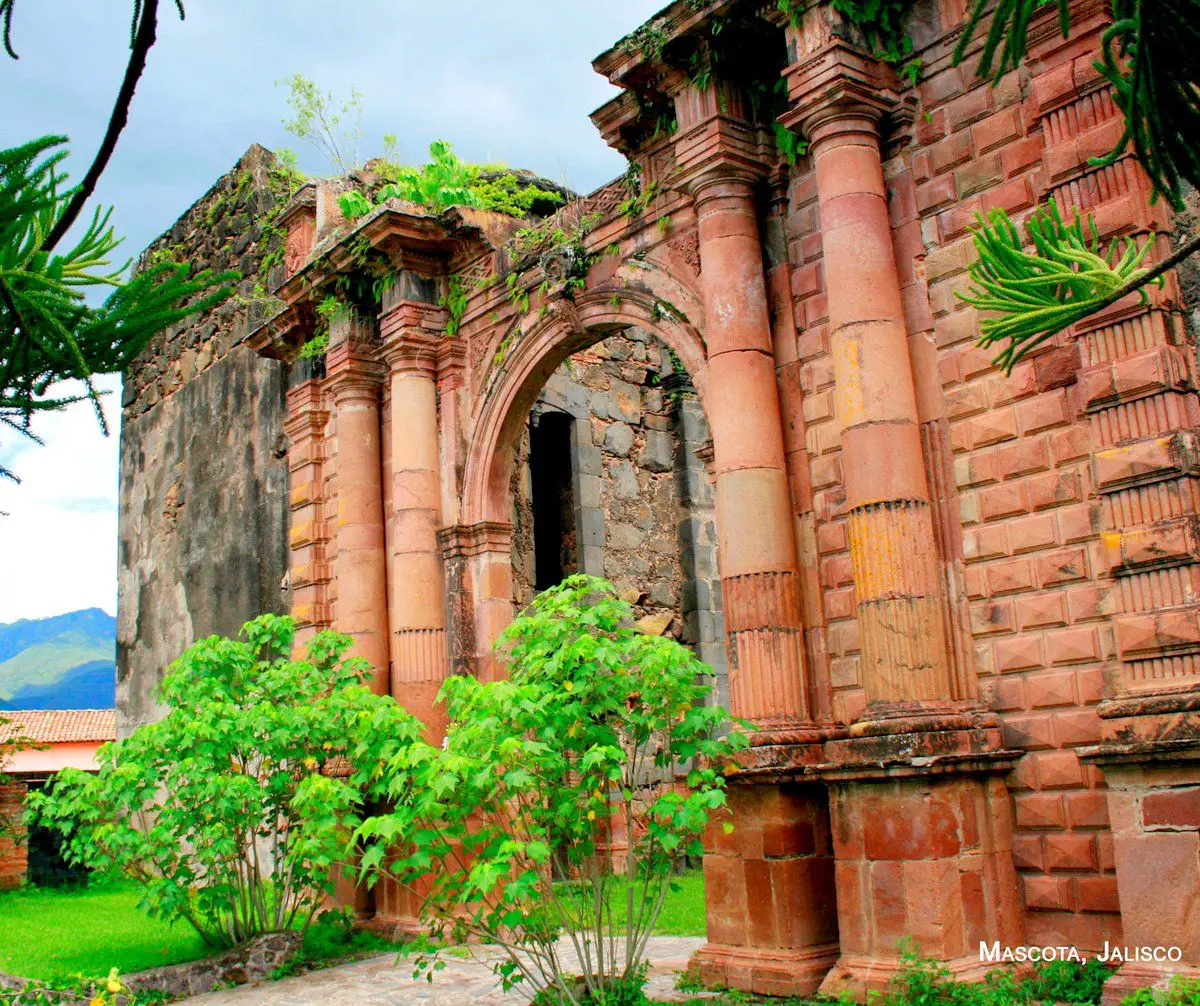
The unfinished Temple of the Precious Blood (Templo de la Preciosa Sangre) from the XIX Century
Features & amenities
Restaurants
Hotels
Natural Attractions
Land Activities
Local Markets
Museums
Parish
Jalisco
Summary
- Mascota is a Pueblo Magico, one of seven stunning Pueblo Magicos in Jalisco, offering visitors an impressive natural landscape and rich cultural heritage, while largely remaining off the tourist radar.
- The town is located between encinos, pinos, and under the blue sky of the Sierra Madre Occidental, and it has a beautiful colonial architecture, stone-paved lanes, a small plaza, and a pretty church.
- Visitors can enjoy outdoor activities such as kayaking, horseback riding, trekking, and rock climbing, and they can also explore the local gastronomy and the town’s market.
- Mascota is a great little getaway for anyone willing to head off the beaten path and enjoy a more authentic Mexican experience.


Introduction
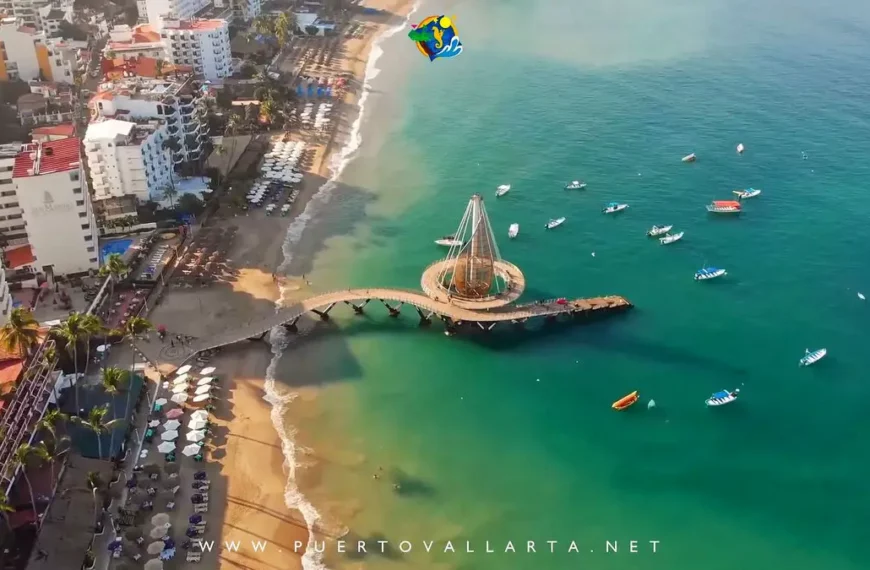
When you visit Puerto Vallarta you may want to enjoy a trip back in time, a cooler climate, a small colonial town in the Sierra, if that’s the case, Mascota is a great option.
The name itself is not from the Spanish language (where it would be translated as “pet”), rather from Teco, “Amaxacotlán Mazacotla“, which means, the place of deer and snakes.
During the Spanish conquest, it was called The Valley of Deer. The original population, the ones in charge of the current name, were Teco Indians.
About Mascota (Jalisco, Mexico)
Mascota, population 8,215 inhabitants, is located in the NW of Jalisco State, at approximately 1200 meters over sea level, strategically located between Guadalajara (at 120 miles http://goo.gl/maps/bYLFa), capital of the state, and Puerto Vallarta (60 miles away), one of the most famous tourist destinations in the country.
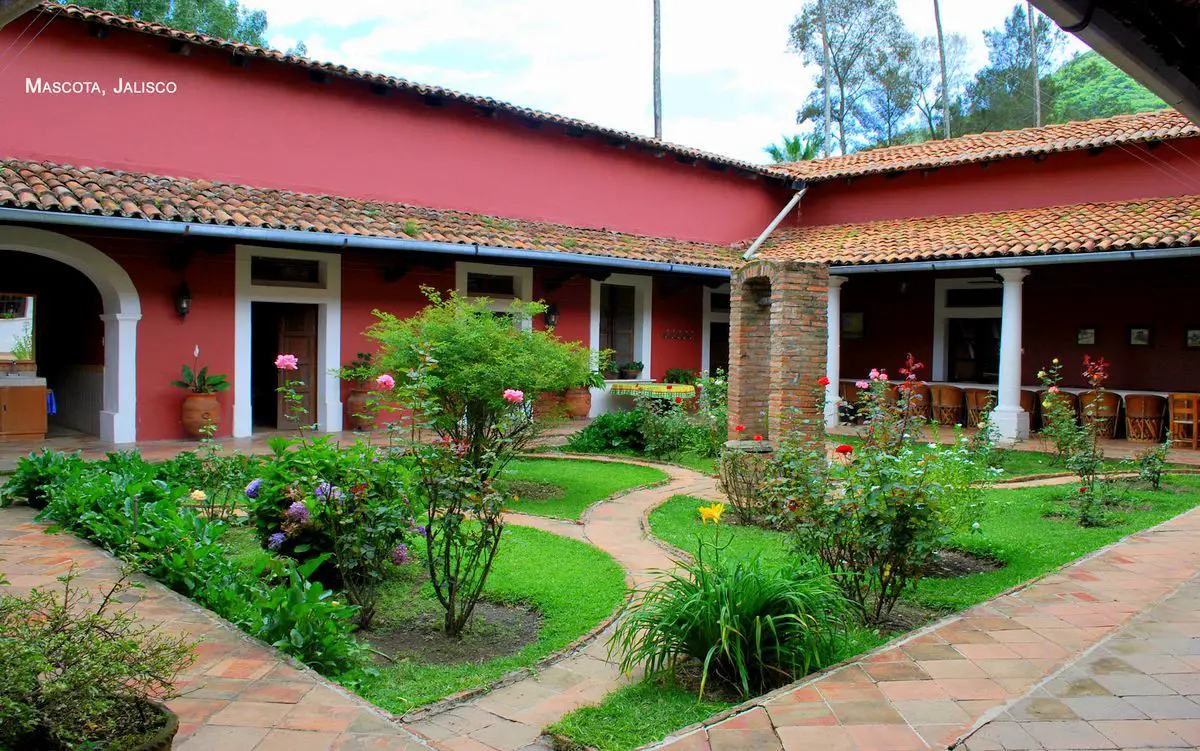
Mascota Hacienda
The municipality of Mascota is located in the plateau of the Western Sierra Madre mountain chain, the municipality includes 40 small towns, among those Mascota, is the largest and is also the seat of the local municipal government.
Mascota is a region of beautiful panoramas, where valleys, mountains, forests, and rivers. The locals are kind, happy, and very proud of their history.
When you drive into Mascota you immediately notice it is a beautiful and picturesque town like you’ve traveled back in time, to a quiet, peaceful period, you’ll also notice that the air is cooler here especially if you compare it with Puerto Vallarta.
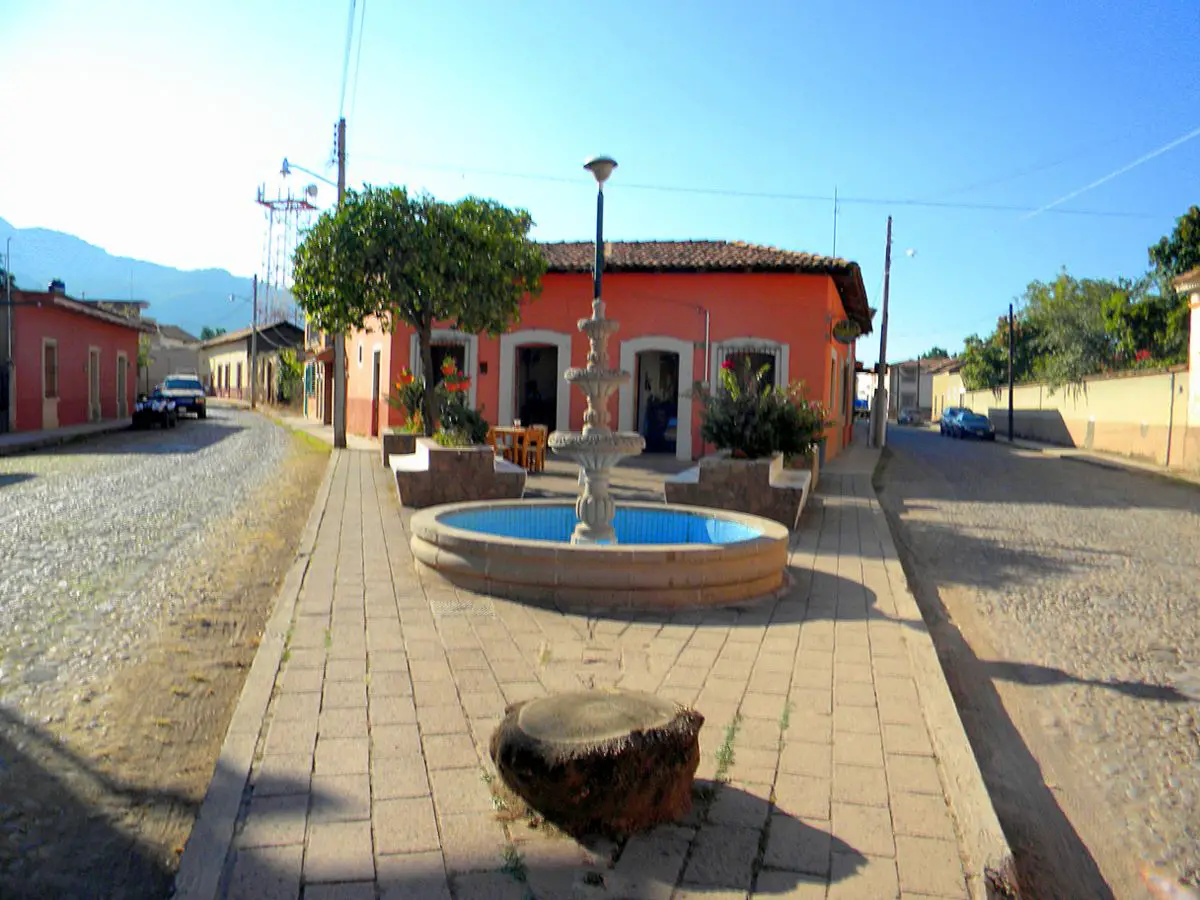
Streets of Mascota (Jalisco, Mexico)
It’s a small town that invites you to lay back and relax. Old-fashion cobblestone streets flanked by colonial style houses.
Don’t forget to enjoy the local food and delicacies, on a fresh afternoon or in the morning ask for a “café de olla”, eat some homemade cookies and purchase some of the many local sweets, stuffed guayabas, sour guayabita, camote sweets, mango skins and more. Another option, for adults, includes different types of “rompopes”, which is like eggnog, variants include vanilla, chestnut or the season fruits and berries, for people that enjoy something with more kick, what about a close encounter with a shot of Raicilla?

Mascota from the hill
In the second half of the XVII Century Mascota established itself in its current location, families built their houses where and how they felt like, so when the time came to build roads and urbanize the town, it was impossible without tearing some houses down, the final result was a town with an erratic street layout, which has its charm, so, no, it was not a drunkard that designed it all…
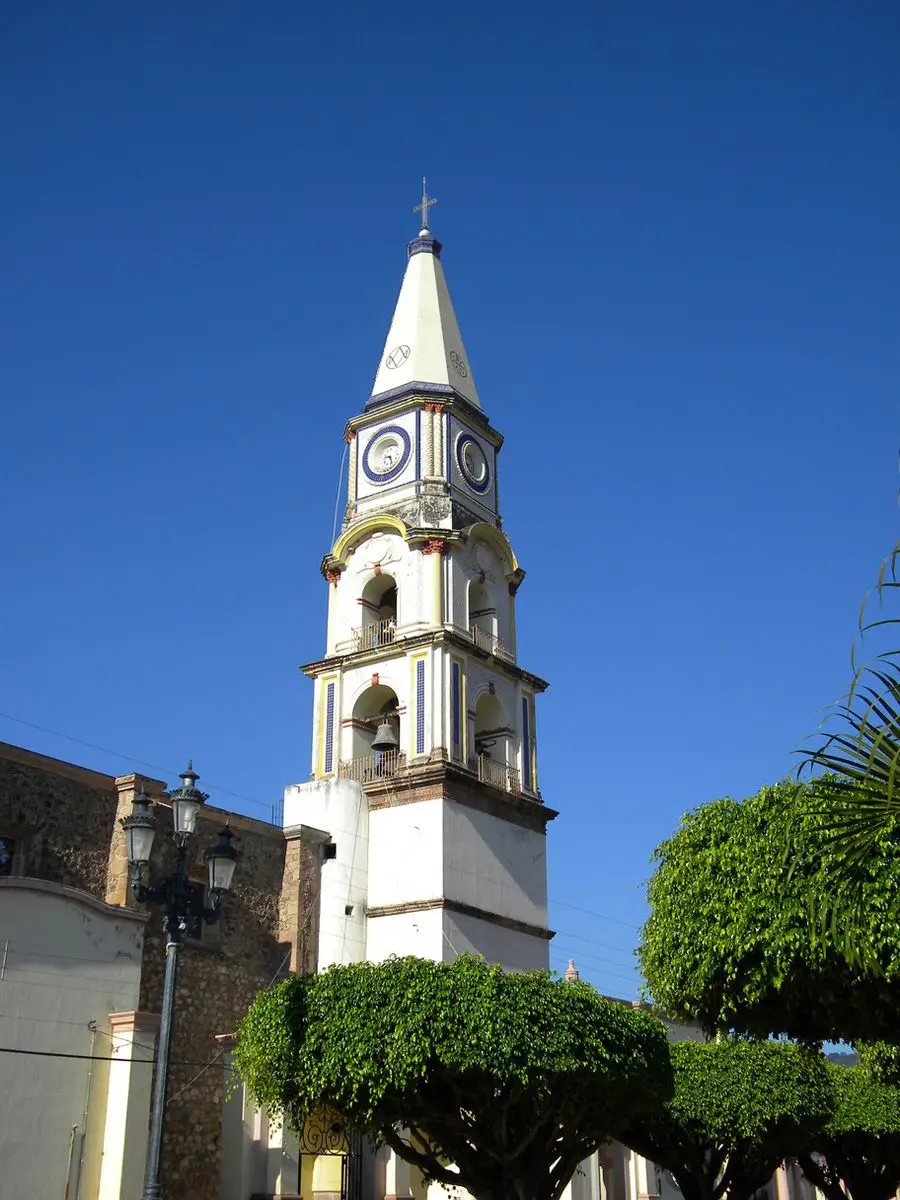
Nuestra Señora de Los Dolores Parish, Mascota
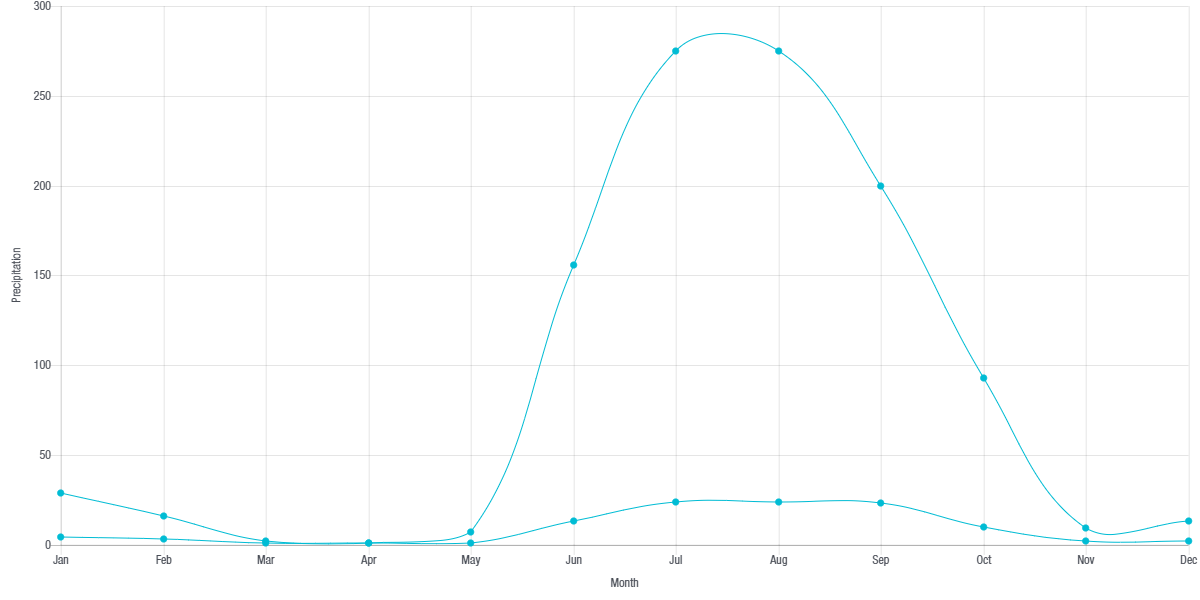
It’s located on Chivato Hill and on the shores of the Mascota river a tributary of the Ameca river that flows into the Bay of Banderas close to Puerto Vallarta. The average annual temperature is 21.8ºC (71.2ºF), the rainy season is from June to October.
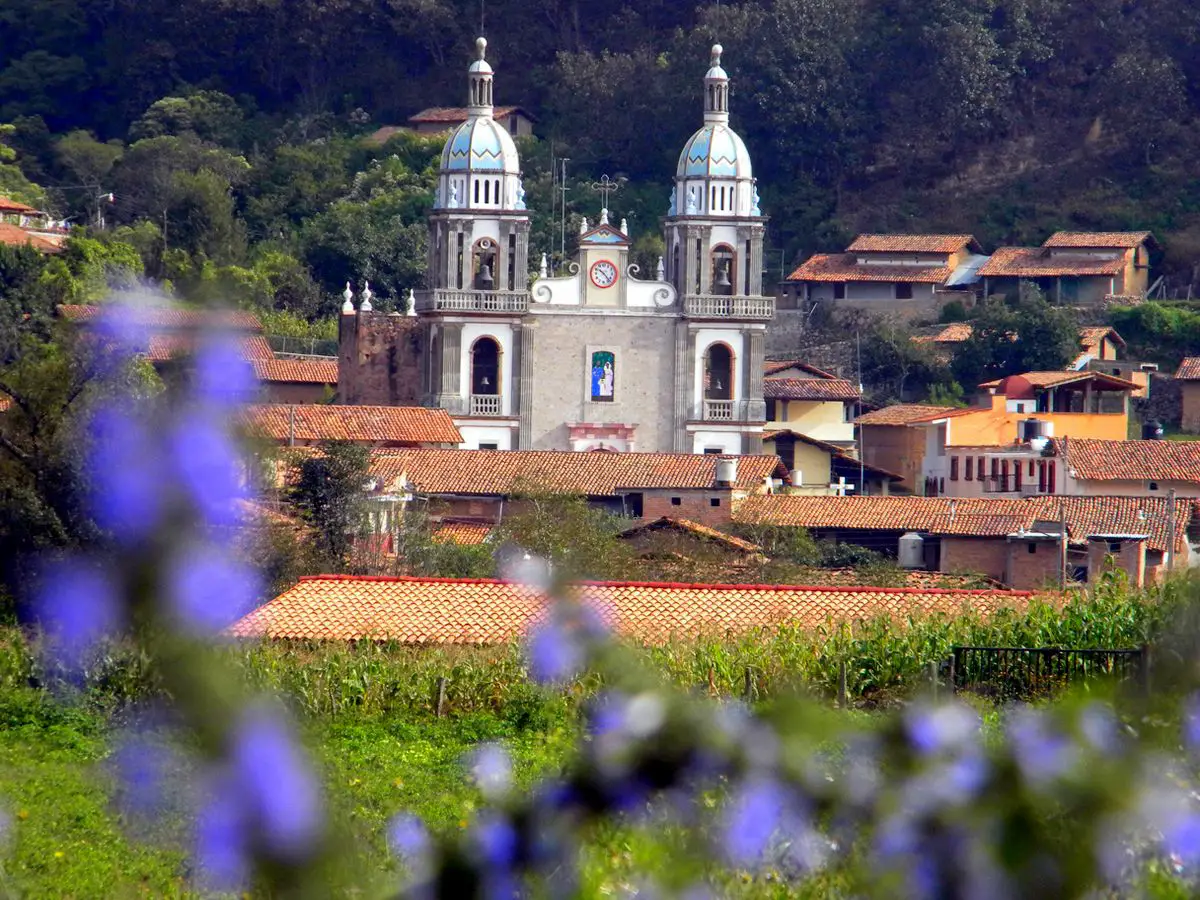
Local Church in the town of Navidad, Mascota
What to do in Mascota
The natural attractions that surround Mascota, which include forests, lagoons, and mountains are perfect as family picnic areas and great for hikes and family strolls.
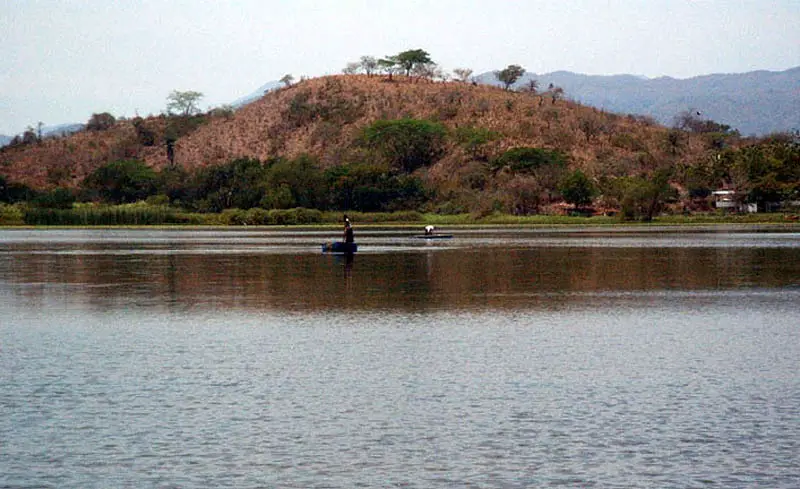
Corrinchis dam
At localities like the Corrinchis Dam, where you can enjoy regional dishes at one of the many small restaurants, Juanacatlan Lagoon and El Malpais, locals and tourists alike enjoy hiking, horseback riding, kayak or boat tours, rappelling, rock climbing, and fishing in the lagoons.
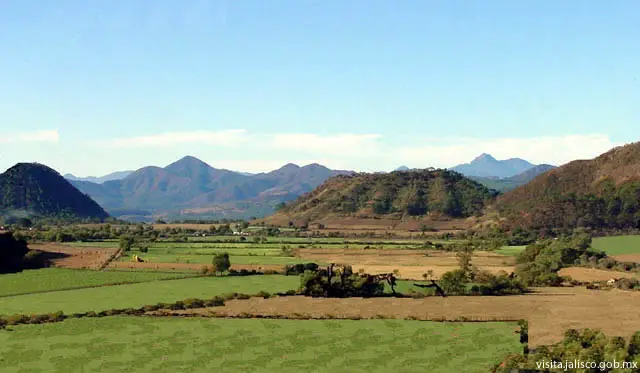
El Molcajete Volcano, 3 miles Northeast of Mascota
The petrified field at El Malpaís is located a mile northeast of Mascota, it is said that during a day of strong volcanic activity the whole place was covered with ashes and lava. There is a legend that states that people have found a fruit orchard in the middle of the fields, they’d eat some of the fruit, and later when they’d try to find the place again, they couldn’t.
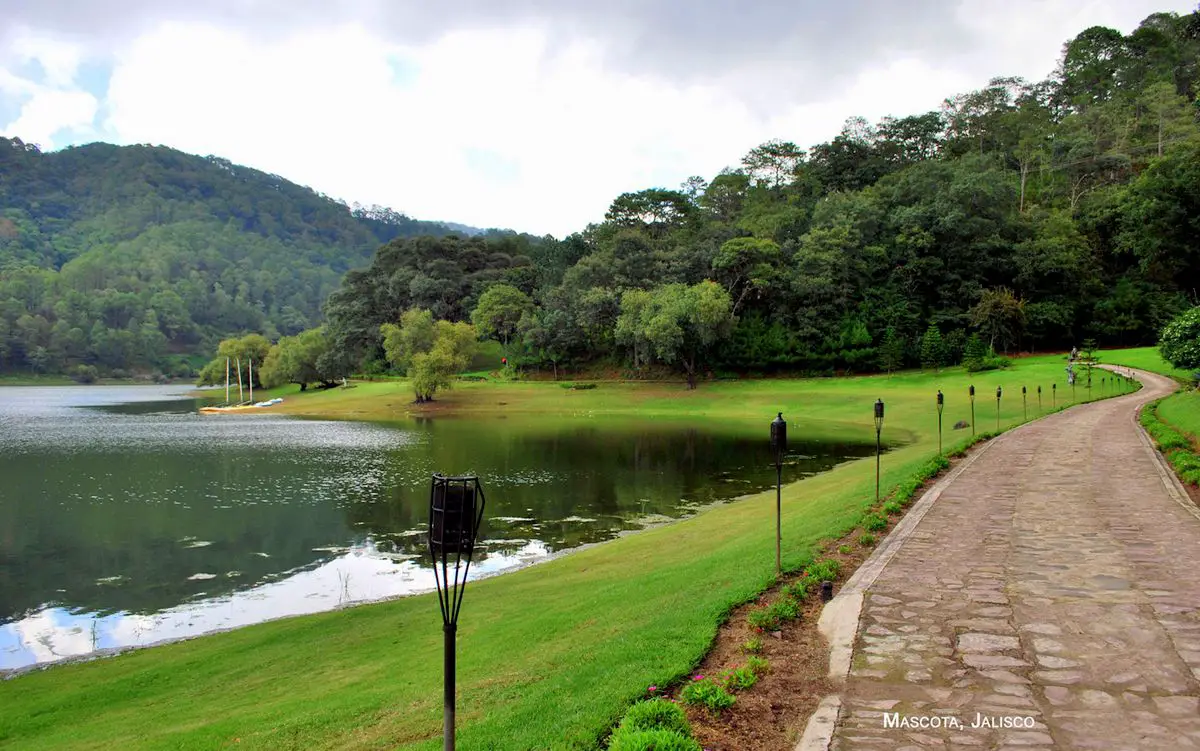
Juanacatlán Lake, Mascota
The town of Juanacatlan has a great little lake called Laguna de Juanacatlan (laguna: lagoon, lake, pond) some 8 miles northeast of Mascota, it’s surrounded by forests and hills, the lake itself is actually the crater of a dead volcano (quite interesting, no?). It’s a great place to fish, a location where you feel time stands still. The lake itself covers a total of 24 hectares and the panorama is beautiful. While you drive to the location, you’ll go through beautiful forests with a wide variety of conifers.
While you are in Mascota stroll by the Casa de la Cultura and visit the local Archaeological Museum. Many petroglyphs have been found around Mascota, like those in archaeological sites at El Pantano, El Ocotillo, Santa Rita, El Refugio, and Mesa Colorada.
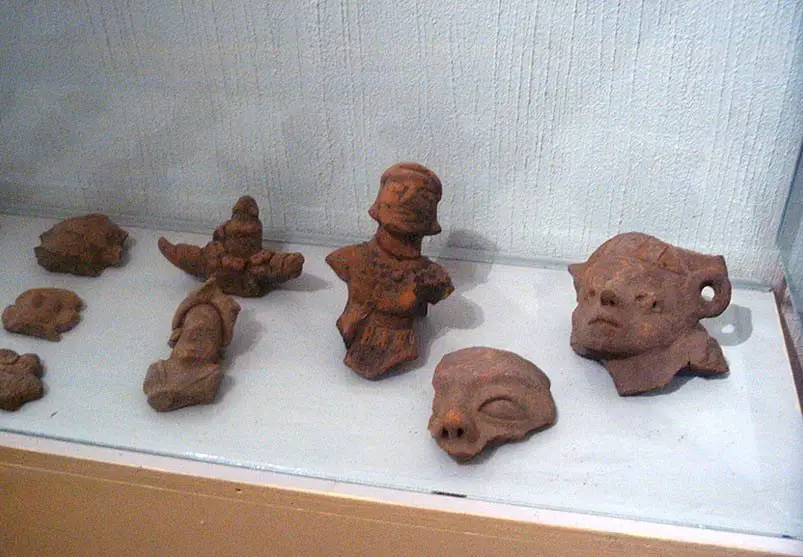
Archaeological Museum in Mascota (Jalisco, Mexico)
Their history and meaning are part of the permanent exhibition at the museum. There are also exhibits that describe and explain with a recovered object the recent discovery of a culture that inhabited the area. In collaboration with National Geographic the exploration of the area was very fruitful, there are even indications that there was commerce with even Peru, many thousands of miles away almost 2000 years in the past.
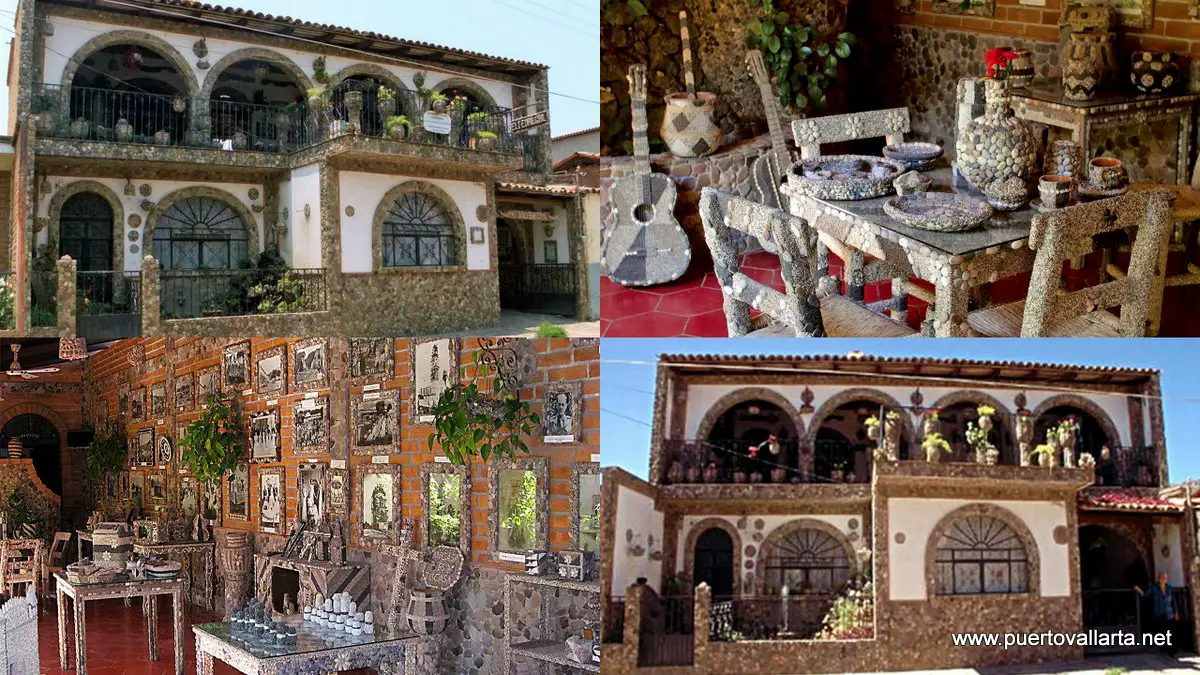
El Pedregal Museum
Another unique visit when you are in Mascota is the Rock Museum El Pedregal (El Museo de Piedra El Pedregal), what makes it unique is that everything inside it is made of and decorated with rocks of all sizes, color, and shapes (Calle Morelos 64).


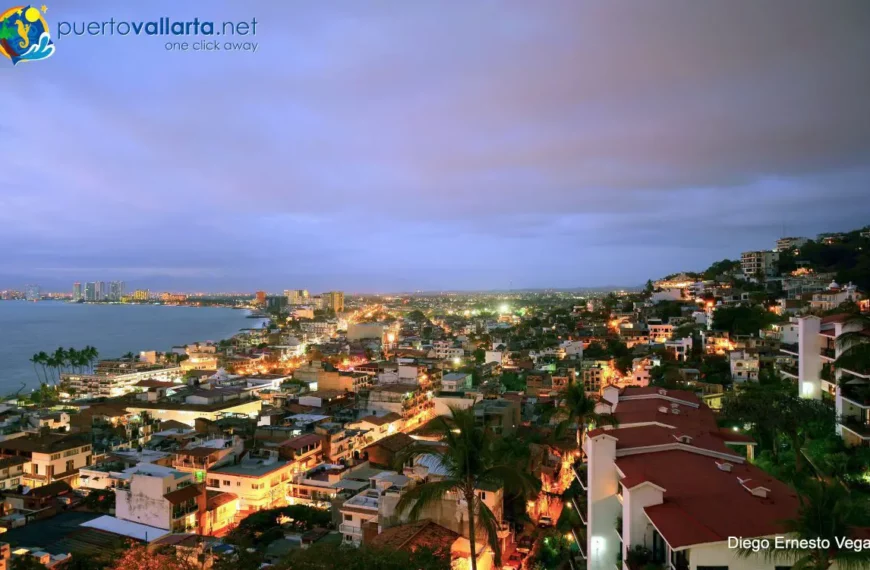

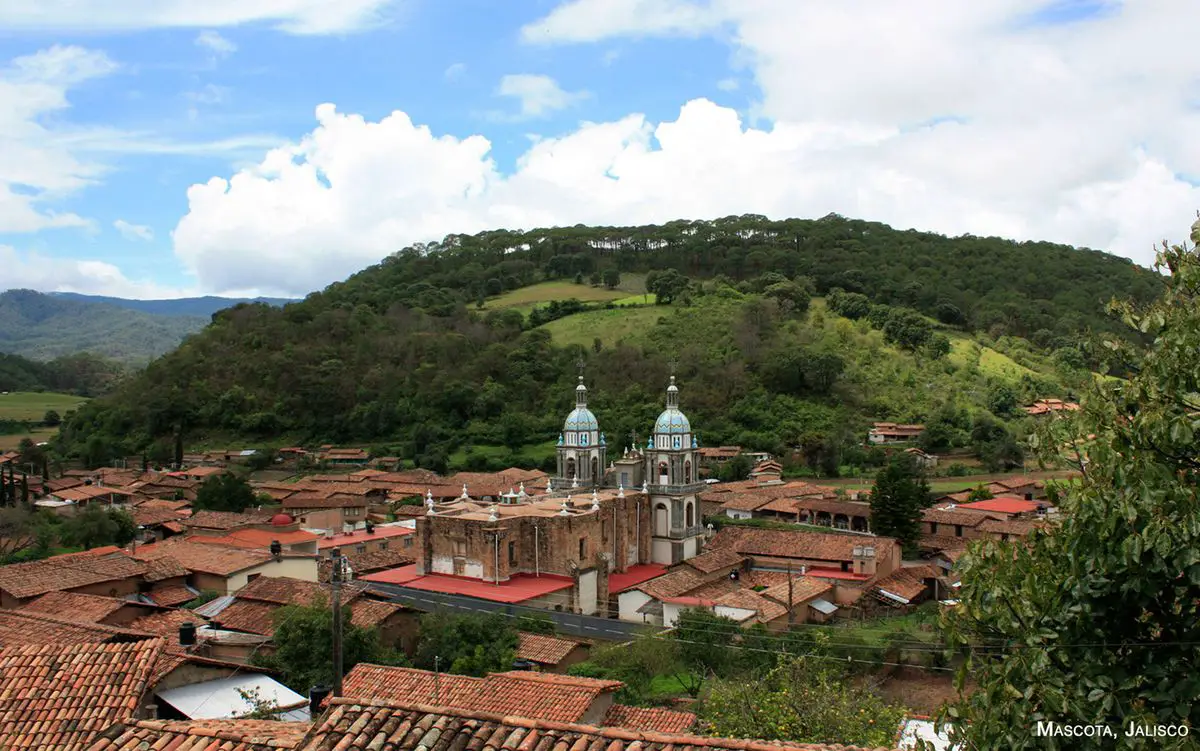
Navidad, Jalisco, Mexico
Mascota is also a great starting point for visits to small towns that are in the area (see the Mascota Circuit map), smaller towns include Yerbabuena, Navidad, and Juanacatlán, the waterfalls at El Coamil and the lake at Yerbabuena, a little further away is San Sebastián del Oeste too.
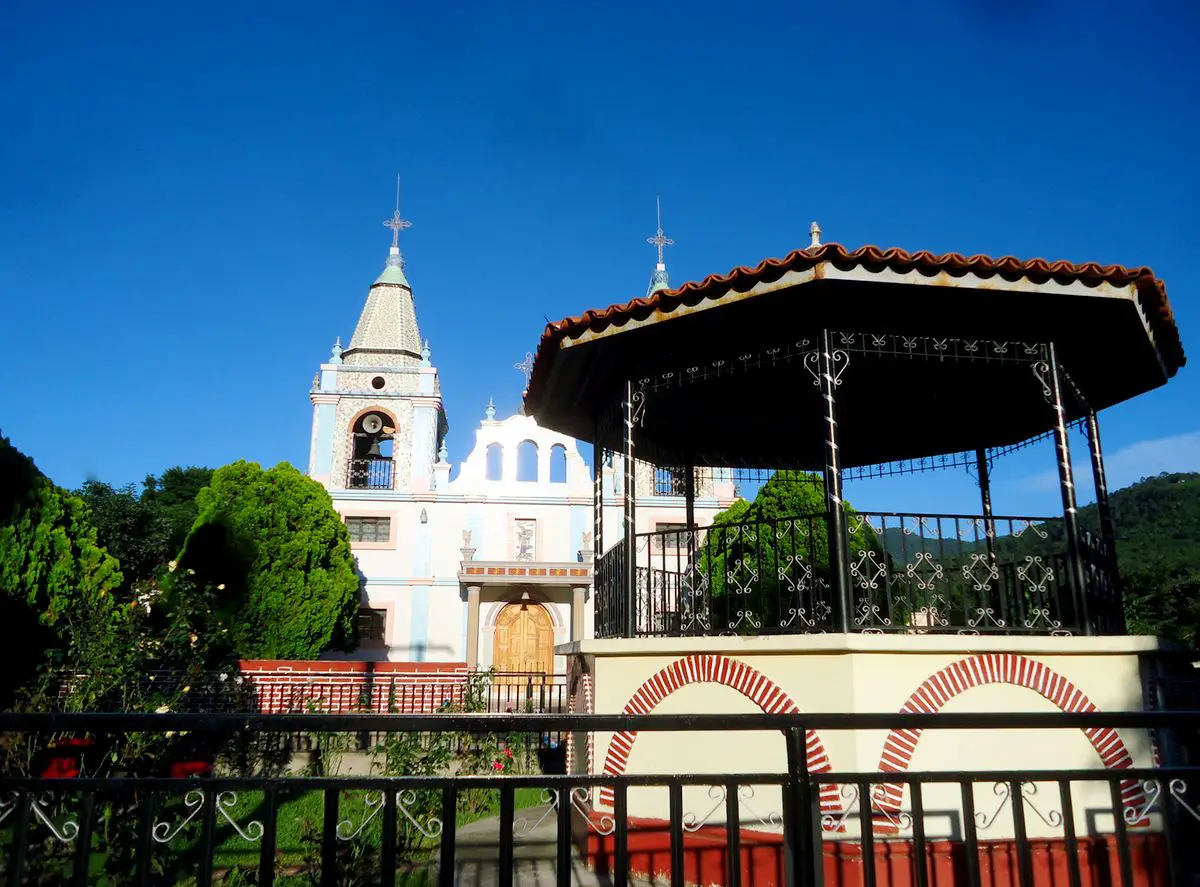
Mascota Plaza, Jalisco, Mexico
Places to visit in Mascota and surroundings
- Unfinished temple of the Precious Blood
- Culture House and the Archaeological Museum
- Mascota Museum
- El Pedregal Rock Museum
- Yerbabuena Museum
- El Molino (Windmill) Museum in Navidad
- Nuestra Señora de Los Dolores Parish
- Virgen de Los Dolores Sanctuary, built in 1782
- La Yerbabuena Chapel, built in 1870
- Townhall
- Corrinchis Dam
- Juanacatlán Lake
- Yerbabuena Lake

Mascota travel circuit
Mascota location map
Mascota is a wonderful town and municipality in Jalisco surrounded by pine-covered mountains and roads, in central-western Mexico. The municipality covers an area of 1,591.63 km². The name Mascota comes from the root “Amaxacotlán”, which means “place of deer and colubrids”.
Travelers usually stop by Mascota when going to Talpa De Allende or Puerto Vallarta, with its rural villages such as Tecuani and La Plata, both only a couple of miles away.
How to get to Mascota
Climate
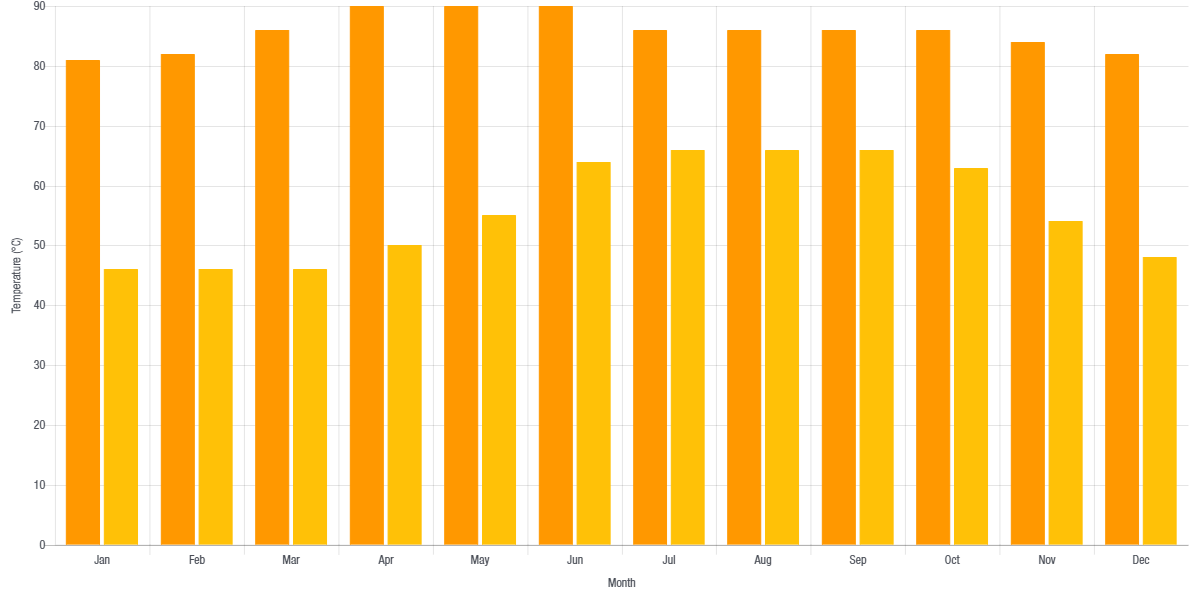
Most of the municipality of Mascota (79.5%) has a semi-warm semi-humid climate. The average annual temperature is 17.4 °C, while its average highs and lows range between 29.3 °C and 6.1 °C respectively. The average annual rainfall is 1,121mm.
Temperatures in Mascota
High °F
Low °F
Precipitation
Precipitation mm
Days w. rain
FAQ
- What is the safest part of Puerto Vallarta to stay in?
The Marina and the Romantic Zone are considered some of the safest areas to stay in Puerto Vallarta. Both areas are popular among tourists and offer a variety of accommodations, restaurants, and attractions. The Marina is known for its upscale atmosphere, luxury resorts, and high-end shops and restaurants. It has a very secure, controlled environment with 24/7 security personnel. The Romantic Zone offers a more authentic Mexican experience with cobblestone streets, colorful colonial buildings, and a vibrant mix of galleries, cafes, and bars. As a central tourist area, it also has a strong police presence and is considered very safe.
- Where do locals go in Puerto Vallarta?
Locals in Puerto Vallarta enjoy spending time at the city’s beautiful beaches, scenic parks, and lively local markets. Popular beach spots include Playa de Oro, Playa Las Animas, and Playa Camarones for their soft sand and calm waters. Many locals visit the Vallarta Botanical Gardens to enjoy the lush vegetation and hiking trails. They also frequent authentic local food venues like Birrieria las 3 Regiones taco stand, cafes like Cafecito Vallarta, and neighborhood bars like La Cerveceria Union. The downtown Lazaro Cardenas market is a favorite for produce, spices, crafts.
- Is Downtown Puerto Vallarta nice?
Yes, downtown Puerto Vallarta is an exceptionally nice and popular area, celebrated for its vibrant mix of historic Mexican charm and a lively beach town atmosphere. It features a picturesque historic center with cobblestone streets, colorful buildings, and the iconic Parish of Our Lady of Guadalupe church. The downtown seamlessly blends into the scenic Malecón, a beautiful oceanfront boardwalk lined with fascinating sculptures, shops, and restaurants, making it perfect for strolling and enjoying the stunning ocean views.
The area offers an excellent variety of dining, from upscale restaurants to authentic street food, along with fantastic shopping in boutiques and art galleries. Adjacent to the main center is the popular Zona Romántica (Romantic Zone), known for its trendy vibe and energetic nightlife. The entire downtown is considered safe and is very walkable, allowing visitors to easily explore its captivating blend of culture, cuisine, and coastal beauty on foot.
Tip: For an unforgettable experience, head down to the Malecón or any beachfront spot about 30 minutes before the scheduled sundown to watch the spectacular sunset over the bay.
- What is considered old town in Puerto Vallarta?
Old Town, also known as the Romantic Zone or Zona Romántica, is considered the historic heart of Puerto Vallarta. It is characterized by its picturesque cobblestone streets, classic whitewashed buildings, red-tiled roofs, and a lively mix of shops, galleries, restaurants and bars. Nestled between the Sierra Madre mountains and Banderas Bay, Old Town has a traditional Mexican village charm with its colonial architecture and slower pace compared to the rest of Puerto Vallarta. Its romantic ambience comes from the area’s natural beauty, outdoor cafes, and charming boutique hotels. Old Town offers visitors a taste of an authentic Mexican neighborhood.

Book tours & support us
- Best prices
- 100% Local Support
- 2 decades+ of experience in Puerto Vallarta

Puerto Vallarta news, tips & content
- New info every two weeks
- Free content, news, videos
- Unsubscribe at any time

Contact us via WhatsApp
- Talk with our reservations expert
- Real local and human support
- Book tours, hotels, transfers, and more.
Last updated on:
Share this article, choose your favorite option!


