

El Tuito, main square, Cabo Corrientes, Jalisco, Mexico
Features & amenities
Restaurants
Hotels
Cultural Heritage
Parish
South of PV
El Tuito details
- Located in Jalisco, Mexico
- Cabo Corrientes Municipality
- Latitude: 20°19’10”N – Longitude: 105°19’30”W
More data
- 3,835 inhabitants (2020 census)
- 1,085 meters above sea level
- Temperatures are 5-10ºC below those in Puerto Vallarta


Introduction

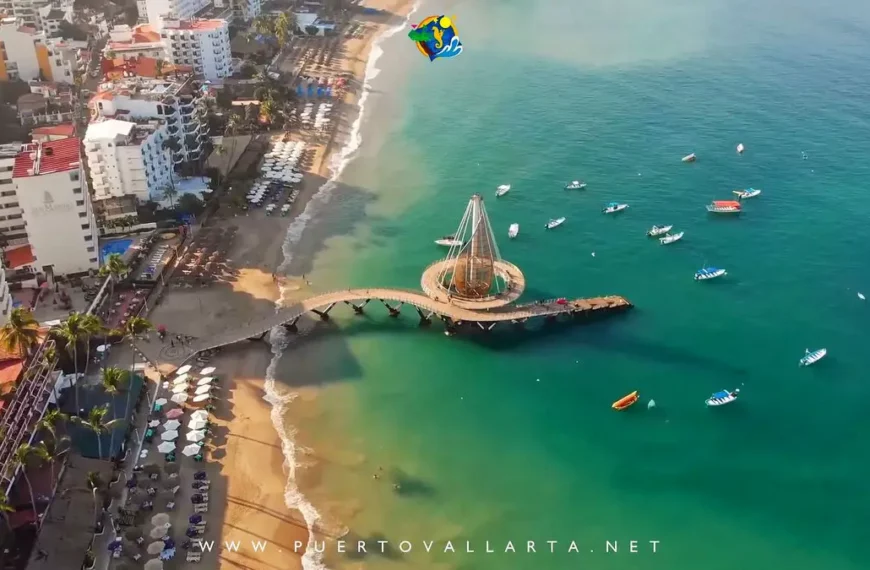
El Tuito is a small quaint town 30 miles south of downtown Puerto Vallarta (45-60 minute drive) on Highway 200, past Boca de Tomatlán and the Vallarta Botanical Gardens, driving toward Barra de Navidad in the Cabo Corrientes Municipality.
About El Tuito

The name, El Tuito, derives from the prehispanic language Nahuatl and comes from the words “Teotl”: god and “Tiul”: place, so, therefore: a place of god, divine place, or place of beauty. It can now be interpreted as a “beautiful small valley”, and it still is!
If you didn’t know better, you’d easily pass the detour along the highway going south, but now you know! A small hidden town, a fresh (5-10 °C cooler than PV), a clean little village for those that want to relax, put their stress on pause and get away from the bustle and hustle of the city.
Buildings and houses in town are in a traditional serrano architectural style (colonial), with tall roofs, elongated rectangular windows and tall doors, they are painted with a mixture of local clay giving them a particular and beautiful orange tinge.
The main square (la Plaza), as is traditional in Mexican settlements, is in the heart of town and offers several very reasonably priced restaurants with quality local dishes. Very recommended are the hand-made corn fresh prepared tortillas.
What to do
Everything you would want to see in town is less than two blocks from the Plaza de Armas.
Just take your time, enjoy sitting at an outside table and watch the surroundings, the locals, and the traditional architecture. Bask in the tranquility, because, unless there’s one of the local celebrations, that’s what you’ll get in abundance.
Horses and cows and kids on bikes, are just as common as big noisy pickups (the bigger the better seems to be the understanding in Mexico), so you really feel you’ve traveled back in time and to a real colorful Méjico!
The Main Square (Zócalo/Plaza)

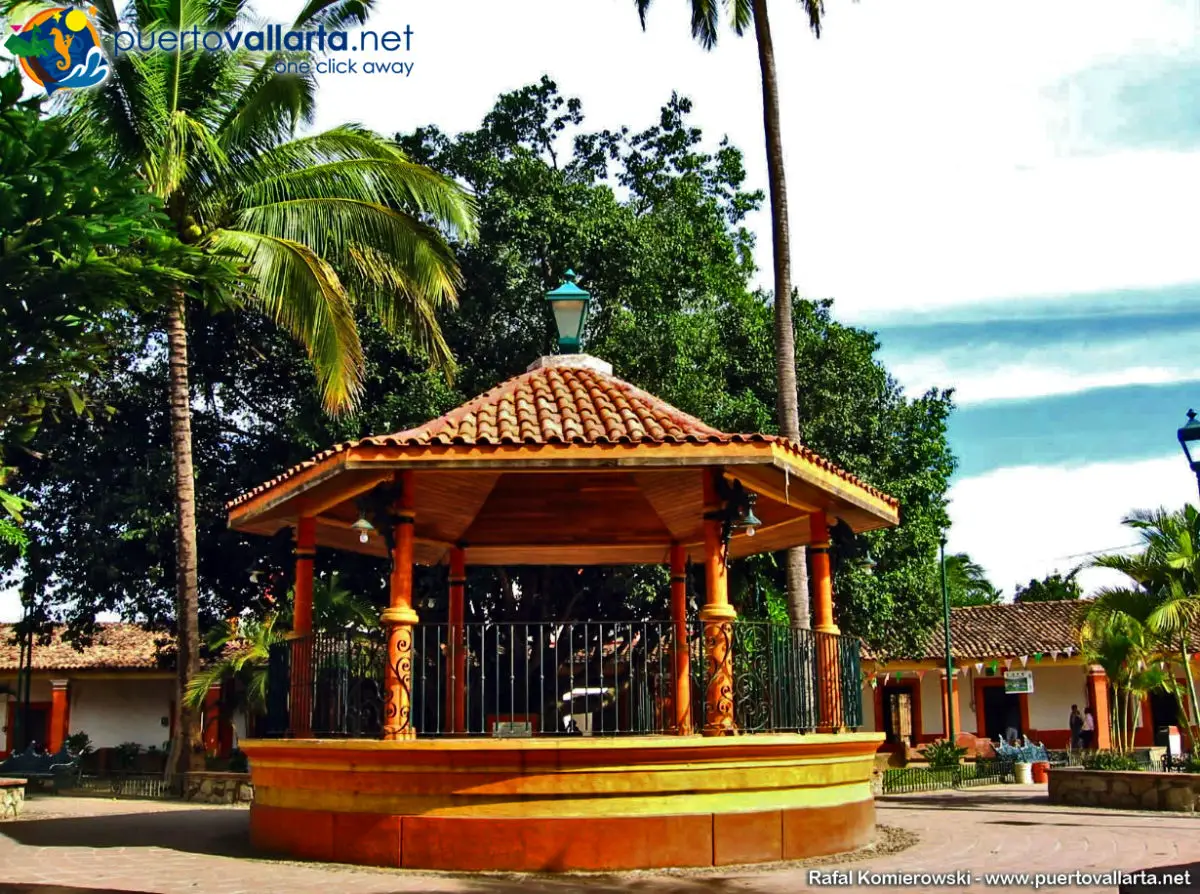
The residents of El Tuito (tuiteños) are proud to show off their plaza and “pueblito”. A beautiful tree, named Maria by locals provides abundant shade on the municipal square, tuiteños love sitting under it, especially on those hot summer days when you need that break from the sun and heat!
El Tuito’s charming zocalo (main square) is, obviously, the main meet-up point, something like “see you at three o’clock on the plaza” is how you do things here. This town is also along the way to other destinations along the coast to the west, such as Mayto and Tehua.
Saint Peter The Apostle Parish

Saint Peter The Apostle Parish, El Tuito, Cabo Corrientes, Jalisco
You should not forget to visit the San Pedro Apostol Parish, the main town church, just 50 yards from the plaza on the corner of Jesús Cervantes St. and Pablo Ríos St. It’s been on the spot for more than 200 years, offers an impressive and unique boulder altar and a beautiful Virgin Mary statue.

Interior view Saint Peter The Apostle Parish, El Tuito, Jalisco, Mexico
Iglesia de San Pedro Apostol
Address: Jesús Cervantes 21 C.P. 48400 El Tuito, Jalisco, Mexico
Phone numbers: (322) 269-0058 / 269-0226 / 303-9414
“La Revolución Universal” Mural

El Tuito Cultural Center
By the plaza, you’ll find the Cultural Center, where you can ask for ideas and suggestions for your trip or stay in town. If you find Ignacio Palomera (tourism director), he’s a valuable source of tips and information too.

Mural La Revolucion Universal, El Tuito, Jalisco, Mexico
This is also the place where you can find the mural “Universal Revolution” from 1970 by the artist David, which honors Mexico‘s past, present, and future.
Another local attraction by the plaza is the Casa Museo “El Patio de Don Alfonso” (house museum of Mr. Alonso), check the place out in the video above.

Universal Revolution (1970) David, El Tuito




What to eat & buy
In this small town, there are so many cottage industries that cater to your needs. From delicious organic coffee and artisan cheese to raicilla -the local moonshine liquor – you’re sure to find something you’ll enjoy!
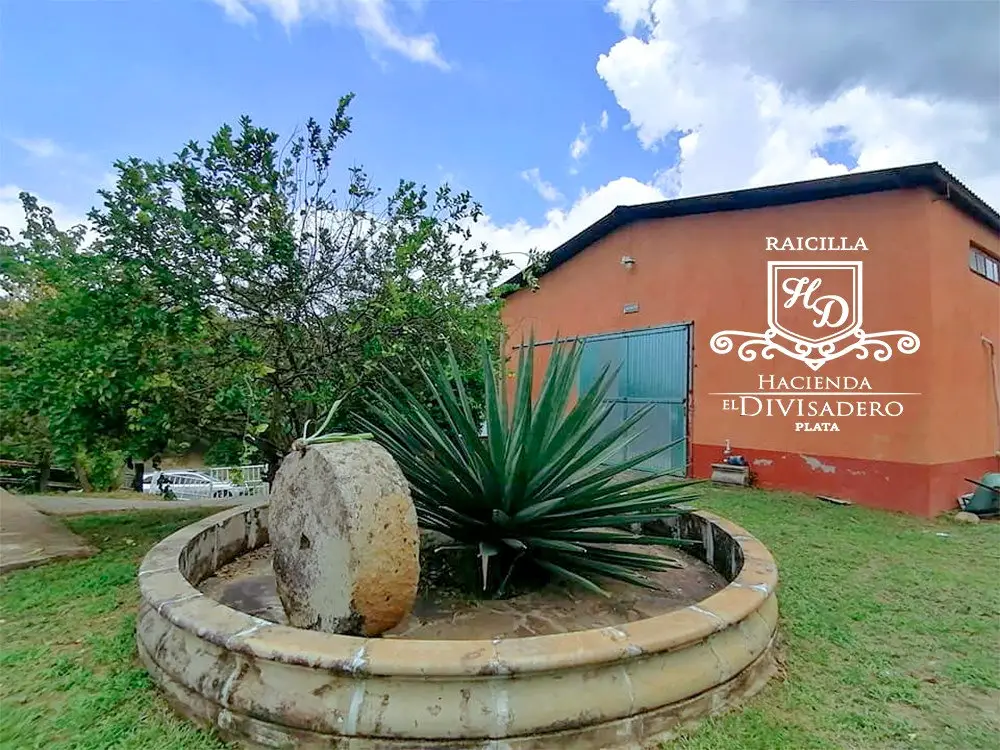
Raicilla Hacienda El Divisadero
El Tuito is famous for its Panela and Oaxaca cheese. These are sold directly by the local producers right from their homes or small stands and at a great price. Among the several Panela sellers around the main square, don’t miss Doña Nilza Plácito, who sells Panela right from her home across the street from the Cultural Center, something she has done for many decades.
Other local produce includes honey, agave nectar, Raicilla (a distillate similar to Tequila, that has recently been legalized), as well as the fresh produce and seafood sold from pickup truck beds. You won’t find many that speak any language other than Spanish, so be prepared.
Where to stay

Tuito has economical lodging, and boutique hotels such as Jardin del Tuito and Hacienda El Divisadero, ideal spots from which to stage side trips into outlying areas along the coast.
El Tuito is an excellent starting point for trips to Cabo Corrientes and the cape area’s pristine beaches such as Mayto and Tehuamixtle.
Things to see and enjoy
El Tuito really comes to life during traditional festivities, especially during the ones that celebrate Mexican Independence (September 16th) and January when the locals pay their respects to the Virgin of Guadalupe with the local “fiestas populares” (popular celebrations) on January 12th.
- The Cultural Center & mural
- San Pedro Apostol Parish
- Casa Museo “El Patio de Don Alfonso” (house museum by the plaza)
- Panaderia Gallegos, pastries, and bread are made in traditional brick ovens fueled with wood.
- Doña Nilza’s panela cheese and fresh fruit stand
- Hacienda El Divisadero
Hacienda El Divisadero
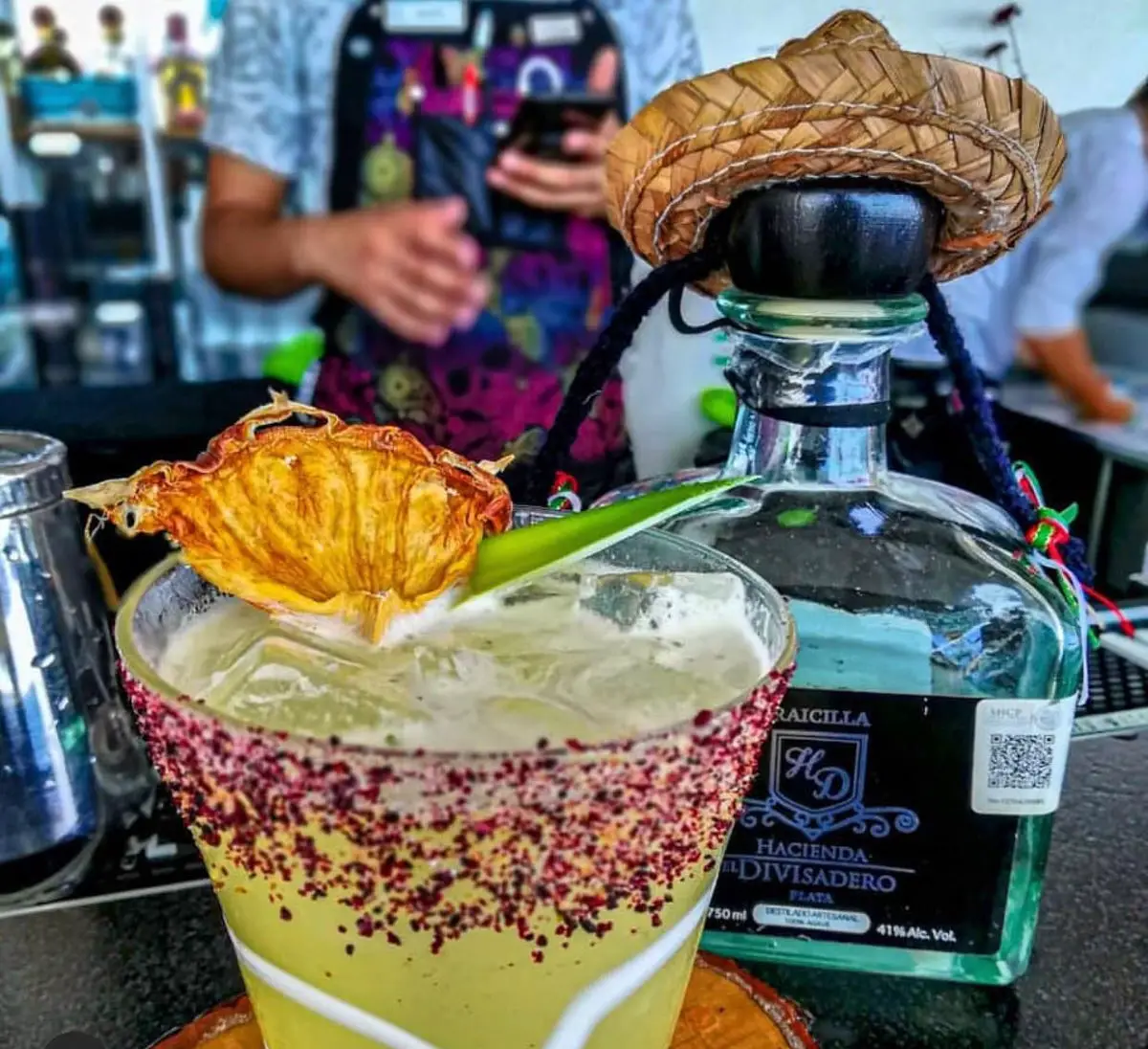
A trip that is well worth the day-long trip during a week-long visit to Puerto Vallarta. The food, the hacienda, and the Raicilla Distillery are all excellent and unique.
The chirping birds, beautiful flowers, and plants immediately remove you from the busy urban noise and exhaust fumes that lurk at the base of the mountains. You’ll get information about the wild-growing and particular agave plants that are used to make Raicilla. See all of the rustic equipment used to make this unique liquor and if you are lucky you may see the harvest too. As part of your visit, you’ll get a taste of the distillate and some flavored Raicilla margaritas from which to choose.
Address: Camino al Tuito-Chacala Km.9 Las Guasimas. Municipio de Cabo Corrientes. 48400 El Tuito, Jalisco, Mexico
Website
Where is El Tuito
El Tuito is about an hour south of Puerto Vallarta, you take the highway that goes south to Mismaloya and when you get to Boca de Tomatlán the highway takes you inland up the mountains. Once you drive past the Vallarta Botanical Gardens you are 25 minutes (12 miles) from the town. When you are a little over half a mile from El Tuito, you leave the highway and drive into La Hacienda avenue. Drive along and turn right on Primero de Abril street that will take you into the main square.
El Tuito, a bit of history

Universal Revolution mural (1970) David. El Tuito, Jalisco, Mexico
- 1525, April 8, Captain Francisco Cortes de San Buenaventura conquers the El Tuito area.
- 1824, November 14 by decree, mentions El Tuito as the municipality of the department of Mascota.
- 1843 the town changes its name to San Pedro del Tuito.
- 1871 The El Tuito commissariat becomes part of the Talpa district.
- 1872, general Porfirio Díaz fled through these lands. He remained hidden in different parts of the municipality when he took up arms against the Benito Juarez government on his way to Mazatlán.
- 1825 to 1890 part of the Sixth Canton of Autlán, later the Tenth Canton of Mascota.
- 1905 El Tuito becomes the Tomatlán commissariat.
- 1924 El Tuito becomes part of the municipality of Puerto Vallarta.
- In 1944, on March 18, the delegation of El Tuito, which belonged to the municipality of Puerto Vallarta, was raised to the category of a municipality, and since then it has been called the municipality of Cabo Corrientes.
Climate

Most of the municipality of Cabo Corrientes (98.4%) has a warm subhumid climate. The average annual temperature is 76.3 °F (24.6 °C), while its average highs and lows range between 96.8 °F (36.0 °C) and 55.9 °F (13.3 °C) respectively. The average annual rainfall is 63.9 inches (1,624mm).
How to get to El Tuito

If you travel by car, you’ll go south, past the romantic zone going toward Mismaloya, and Boca de Tomatlan following Carretera 200 Sur (Highway 200 South). Past Boca you start traveling inland into the mountains, you’ll pass a small town called Las Juntas y Los Veranos, then the Vallarta Botanical Gardens, when you get to kilometer 45, you’ll arrive at El Tuito.
There used to be regularly scheduled buses to El Tuito. The same buses going to the Vallarta Botanical Gardens would continue all the way to El Tuito and had signs stating so. They would stop on the corner of Insurgentes and Basilio Badillo in the Romantic Zone and end their route at the Tuito Plaza. Check if they are currently available.
El Tuito Photo Gallery
Conclusion
A trip back in time, a trip to a real Mexican countryside town, a taste of the laid-back and colorful Mexico, all under an hour away from Puerto Vallarta.

FAQ
- What is the safest part of Puerto Vallarta to stay in?
The Marina and the Romantic Zone are considered some of the safest areas to stay in Puerto Vallarta. Both areas are popular among tourists and offer a variety of accommodations, restaurants, and attractions. The Marina is known for its upscale atmosphere, luxury resorts, and high-end shops and restaurants. It has a very secure, controlled environment with 24/7 security personnel. The Romantic Zone offers a more authentic Mexican experience with cobblestone streets, colorful colonial buildings, and a vibrant mix of galleries, cafes, and bars. As a central tourist area, it also has a strong police presence and is considered very safe.
- Where do locals go in Puerto Vallarta?
Locals in Puerto Vallarta enjoy spending time at the city’s beautiful beaches, scenic parks, and lively local markets. Popular beach spots include Playa de Oro, Playa Las Animas, and Playa Camarones for their soft sand and calm waters. Many locals visit the Vallarta Botanical Gardens to enjoy the lush vegetation and hiking trails. They also frequent authentic local food venues like Birrieria las 3 Regiones taco stand, cafes like Cafecito Vallarta, and neighborhood bars like La Cerveceria Union. The downtown Lazaro Cardenas market is a favorite for produce, spices, crafts.
- Is Downtown Puerto Vallarta nice?
Yes, downtown Puerto Vallarta is an exceptionally nice and popular area, celebrated for its vibrant mix of historic Mexican charm and a lively beach town atmosphere. It features a picturesque historic center with cobblestone streets, colorful buildings, and the iconic Parish of Our Lady of Guadalupe church. The downtown seamlessly blends into the scenic Malecón, a beautiful oceanfront boardwalk lined with fascinating sculptures, shops, and restaurants, making it perfect for strolling and enjoying the stunning ocean views.
The area offers an excellent variety of dining, from upscale restaurants to authentic street food, along with fantastic shopping in boutiques and art galleries. Adjacent to the main center is the popular Zona Romántica (Romantic Zone), known for its trendy vibe and energetic nightlife. The entire downtown is considered safe and is very walkable, allowing visitors to easily explore its captivating blend of culture, cuisine, and coastal beauty on foot.
Tip: For an unforgettable experience, head down to the Malecón or any beachfront spot about 30 minutes before the scheduled sundown to watch the spectacular sunset over the bay.
- What is considered old town in Puerto Vallarta?
Old Town, also known as the Romantic Zone or Zona Romántica, is considered the historic heart of Puerto Vallarta. It is characterized by its picturesque cobblestone streets, classic whitewashed buildings, red-tiled roofs, and a lively mix of shops, galleries, restaurants and bars. Nestled between the Sierra Madre mountains and Banderas Bay, Old Town has a traditional Mexican village charm with its colonial architecture and slower pace compared to the rest of Puerto Vallarta. Its romantic ambience comes from the area’s natural beauty, outdoor cafes, and charming boutique hotels. Old Town offers visitors a taste of an authentic Mexican neighborhood.

Book tours & support us
- Best prices
- 100% Local Support
- 2 decades+ of experience in Puerto Vallarta

Puerto Vallarta news, tips & content
- New info every two weeks
- Free content, news, videos
- Unsubscribe at any time

Contact us via WhatsApp
- Talk with our reservations expert
- Real local and human support
- Book tours, hotels, transfers, and more.
Last updated on:
Share this article, choose your favorite option!


