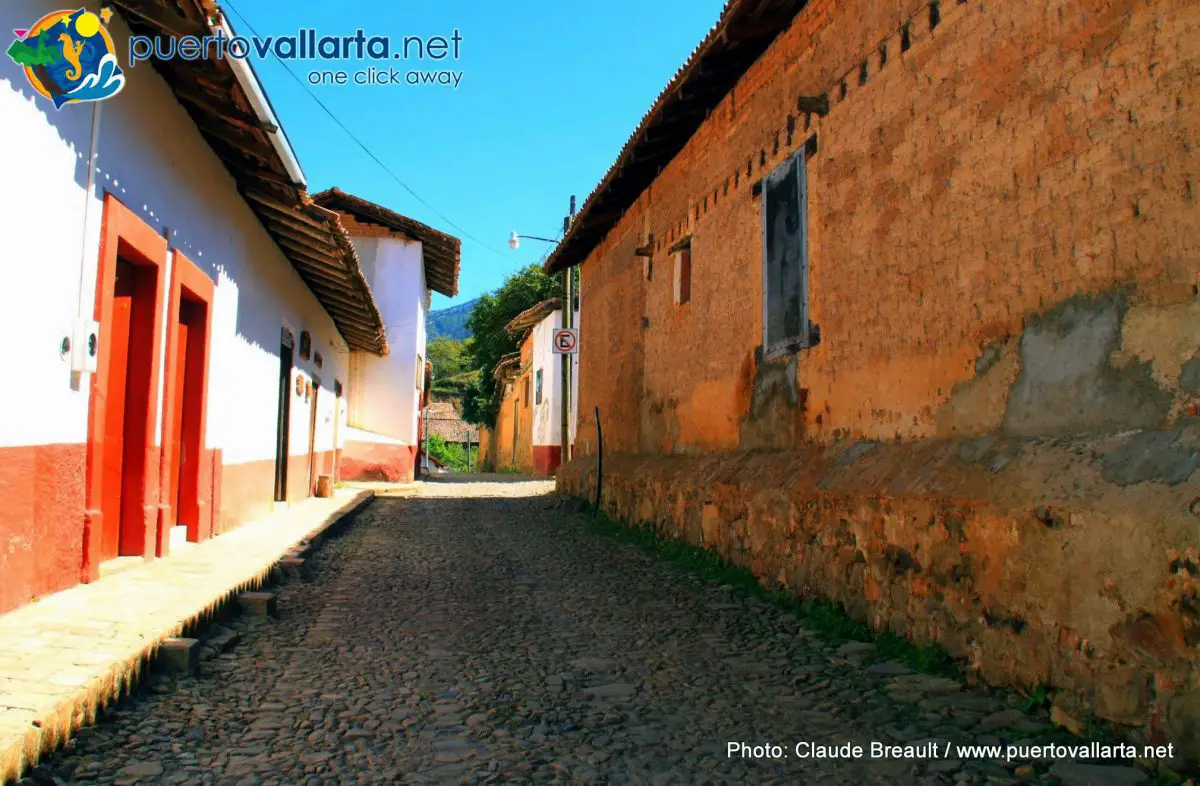
San Sebastián del Oeste streets
Restaurants
Bars
Shopping
Hotel
Local Church
Tours
Land Activities
Jalisco
Summary
- San Sebastián del Oeste is a former mining town with a colonial heritage, founded in 1605 by Spanish silver miners who used it as a base for mining in the area.
- The town is nestled in the hills of the Sierra Madre mountains, surrounded by towering pines and majestic vistas, making it a great place for nature lovers to explore.
- Visitors can explore the town’s charming colonial architecture, including colorful old haciendas, stone-paved lanes, and a pretty church.
- San Sebastián del Oeste is a Pueblo Magico, one of seven stunning Pueblo Magicos in Jalisco.
- The town is a great place to visit for those looking for a more laid-back and authentic Mexican experience, and it is easily accessible from Puerto Vallarta by car or tour.


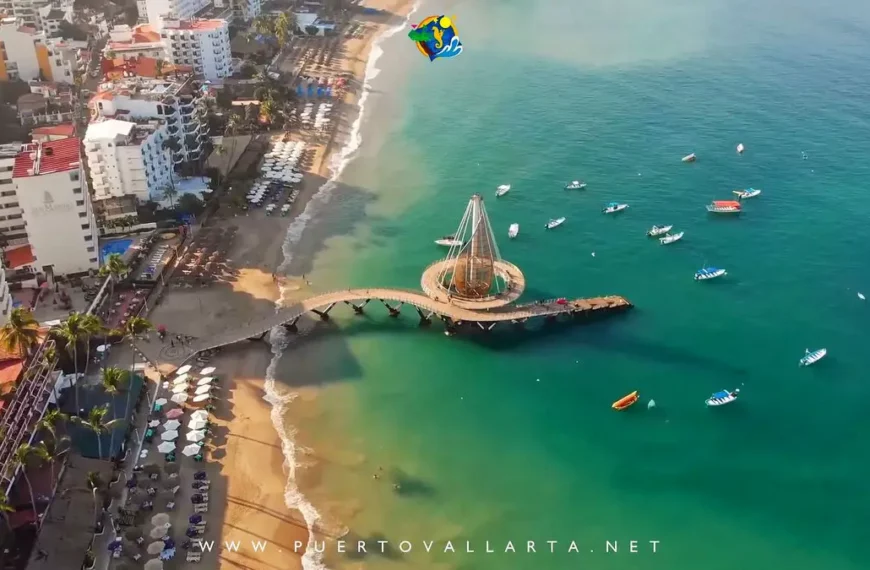
Introduction
If you are looking for a weekend away from the beach and surf, and feel like exploring the mountains, valleys, rivers, and beautiful landscapes of Jalisco we recommend visiting the picturesque towns around Puerto Vallarta, which offer many different options for a quick trip, San Sebastián, 47 miles away, is one of the best options.
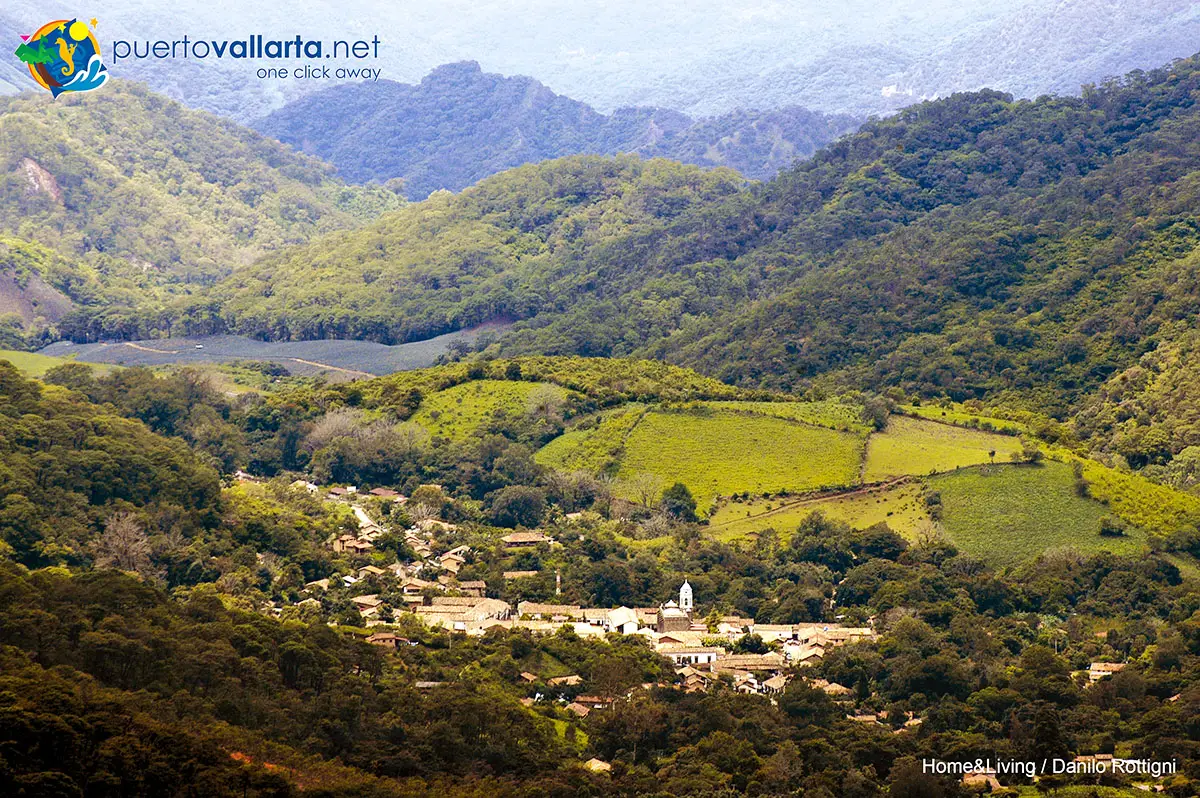
San Sebastían del Oeste from the hills
- San Sebastián del Oeste is a town and municipality.
- Founded January 20, 1605.
- Location: Western part of the state of Jalisco, Mexico (see map).
- Coordinates: 20°45’30” N – 104°51’30” W
- At 1,480 metres (4,856 ft) over sea level.
- In 2020, San Sebastián del Oeste’s population was 5086 inhabitants (51.8% hombres y 48.2% mujeres).
- Compared to 2010, San Sebastián del Oeste’s population diminished in 11.6%.
Formerly the town was known as Real de San Sebastián and later San Sebastian del Oeste and since 1983, San Sebastián del Oeste is a village made up of ancient haciendas and century-old homes that have aged gracefully along with the surrounding mines and fields, filled with a valuable legacy of tradition and history.
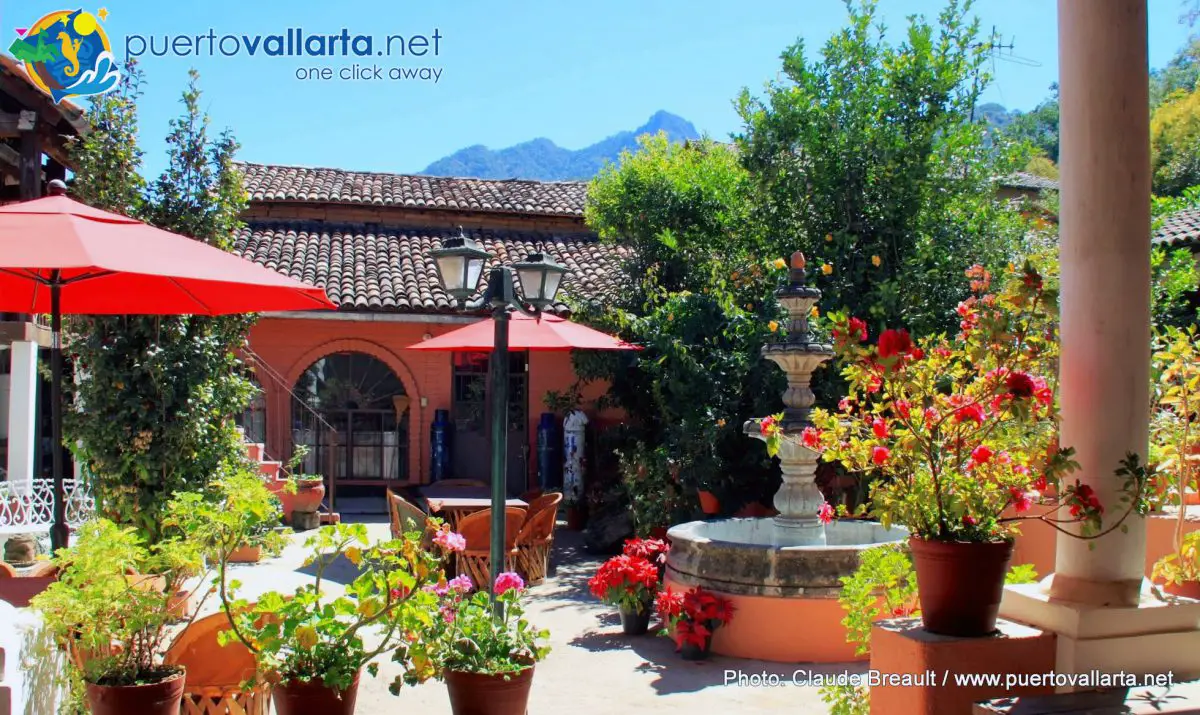
San Sebastian del Oeste Colorful Haciendas
In its glorious past, it was a prosperous and self-sustaining silver mining town with over four times the population it has now.
You can reach San Sebastian by air and you’ll arrive at the small airstrip located just outside the town, which allows daily service from Puerto Vallarta. On the way, you’ll enjoy impressive views of the hills and forests in the Sierra Madre.
A bit of history
When looking at a map, the town may seem to be hidden and inaccessible, it is actually a place you should definitely NOT miss. After traveling through mountain pass after mountain pass, you will feel a real sense of arrival when you reach this town in the heart of the mountain region.
By 1785 there were 10 gold and silver reduction haciendas and almost 30 mines in the area, the town became a city in 1812 and reached its peak in 1830. The mines stopped working during the 1910 revolution and the foreign companies moved elsewhere. The last mine stopped working in 1921.
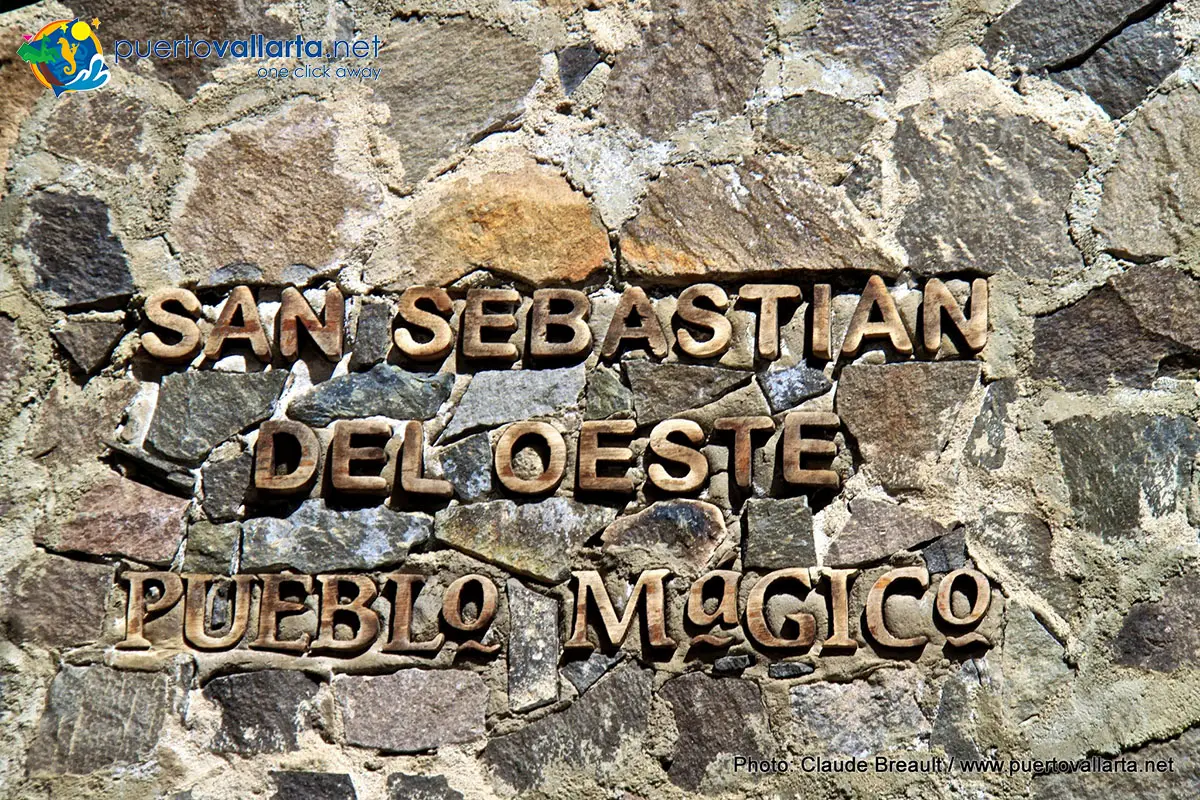
San Sebastián del Oeste Pueblo Mágico
It was actually the mines of the towns in the Sierra that created a need for Las Peñas (what later became Puerto Vallarta), the original name derived from the name given to the rocks that are now known as Los Arcos de Mismaloya.
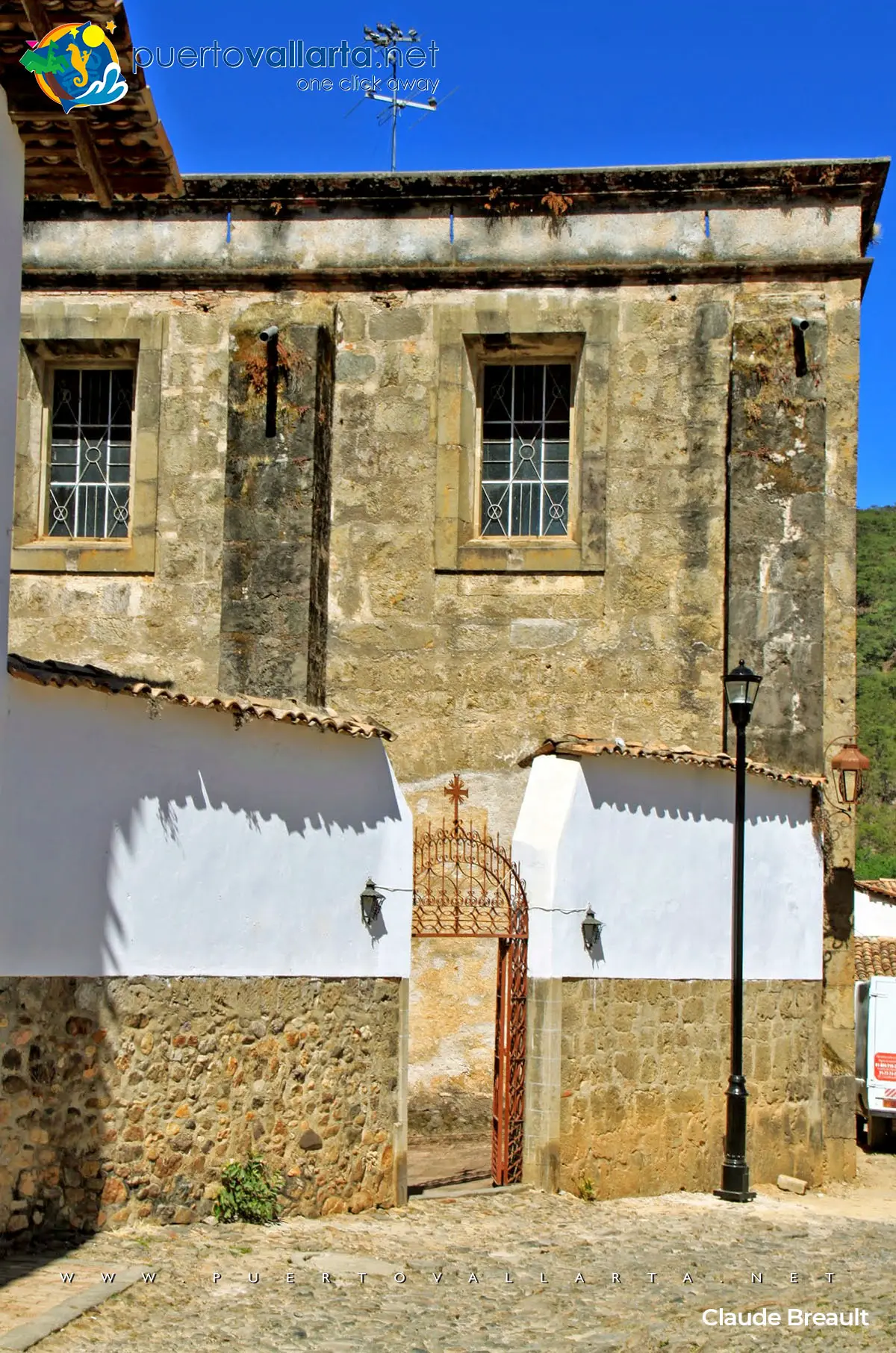
San Sebastian del Oeste
In 1851, the small village was the starting point for what later was to become Puerto Vallarta, they would provide salt for the smelting process at the mines and it was taken to the mining towns of the Sierra on mule back.
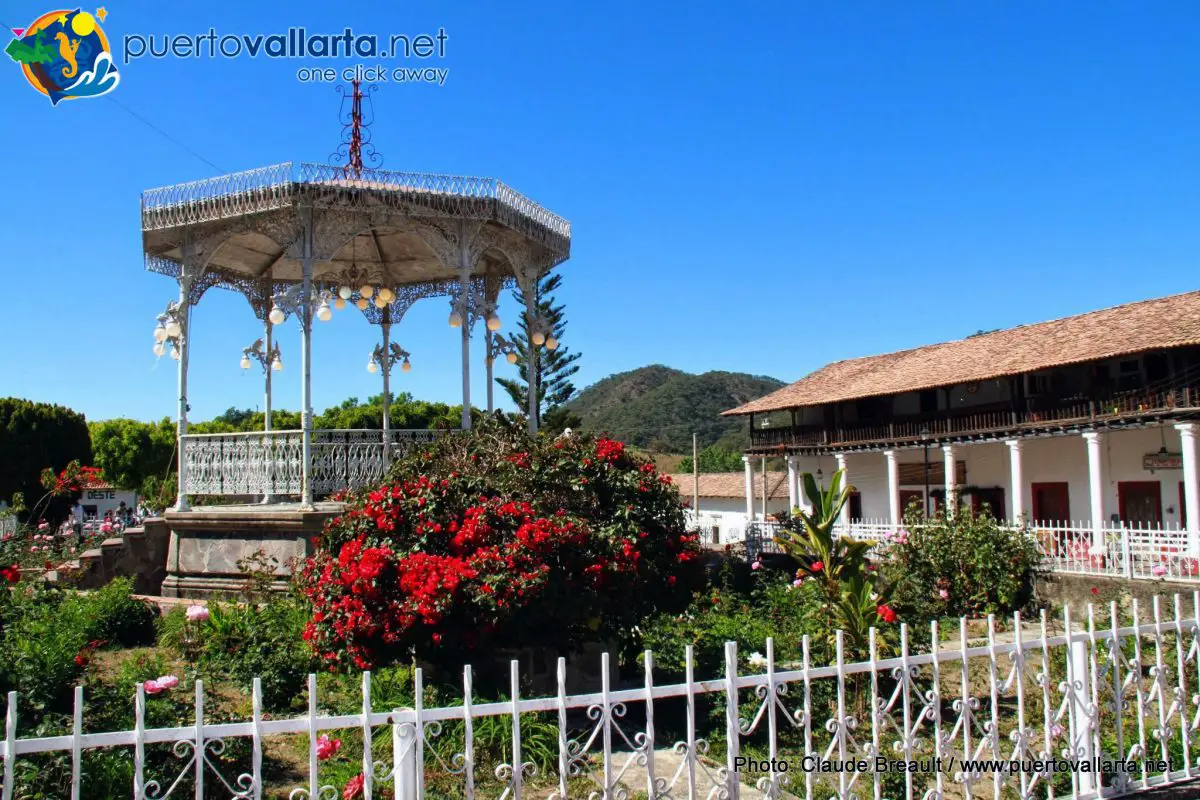
San Sebastián del Oeste, Jalisco, Mexico – Main square
In the early XX Century the mines were depleted and the town lost its precious metal attraction, and the town entered a “time warp” and this is actually one of its main attractions.
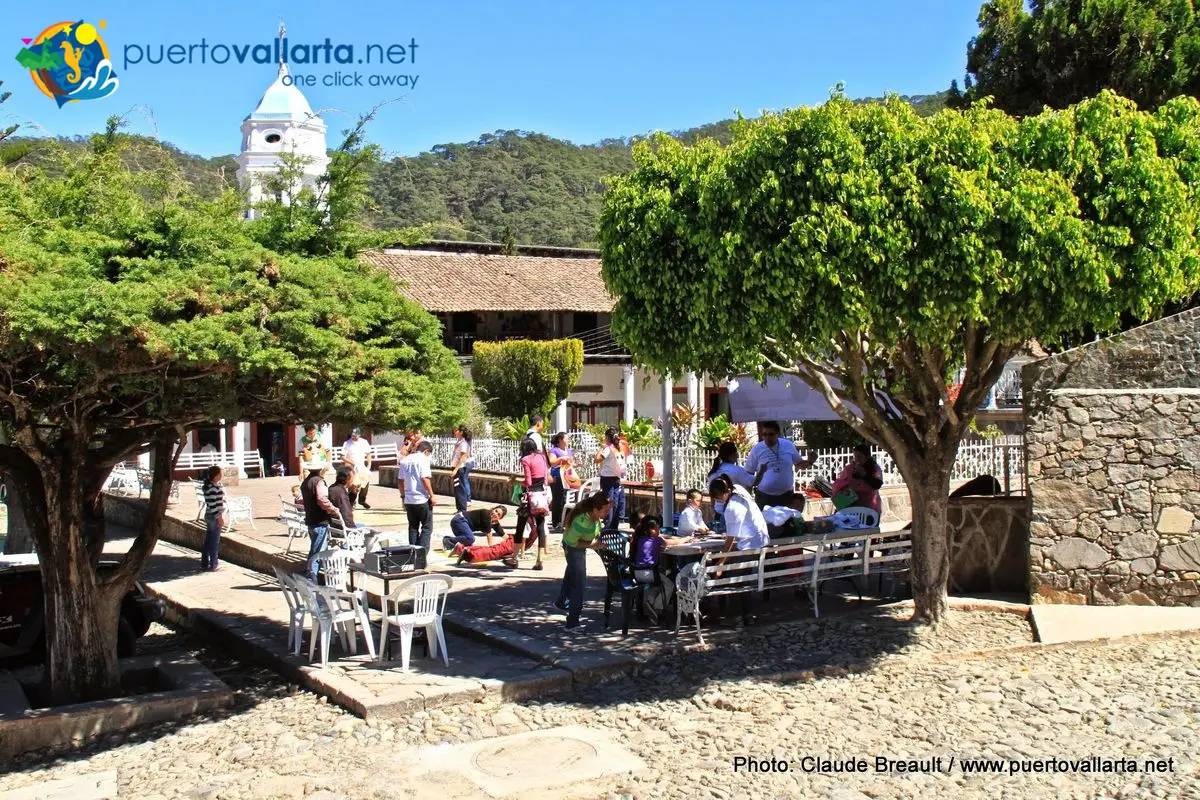
San Sebastian streets
According to the latest census figures in 2020, the municipality of San Sebastián has 5,086 inhabitants. It was a mining town a few centuries ago, and at its peak had over 20,000 inhabitants, but following the Mexican Revolution and the closing of most of the mines in the area, the population declined in the nineteenth century.
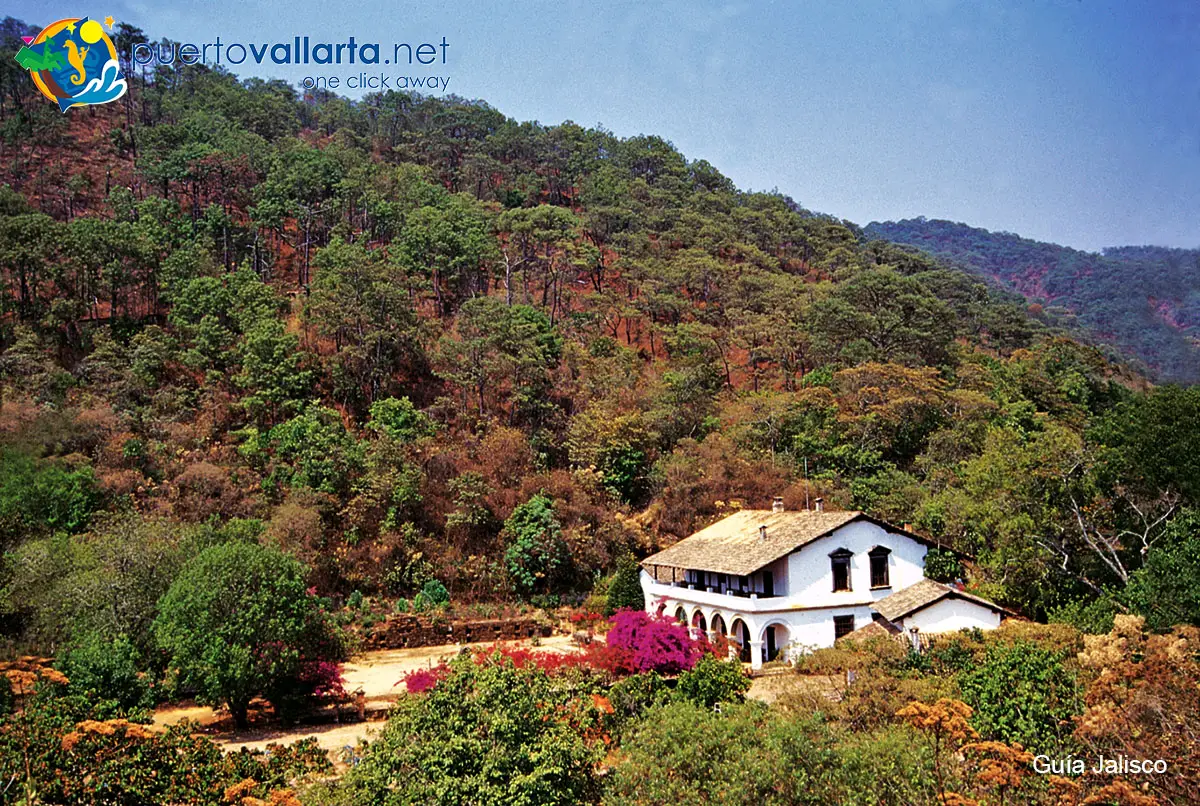
Haciendas of San Sebastian del Oeste
Just outside of town, you can visit many old haciendas, some of which are now in ruins like La Máquina, while others are meticulously restored to their former grandeur like La Quinta, which proudly continues to produce organic coffee.

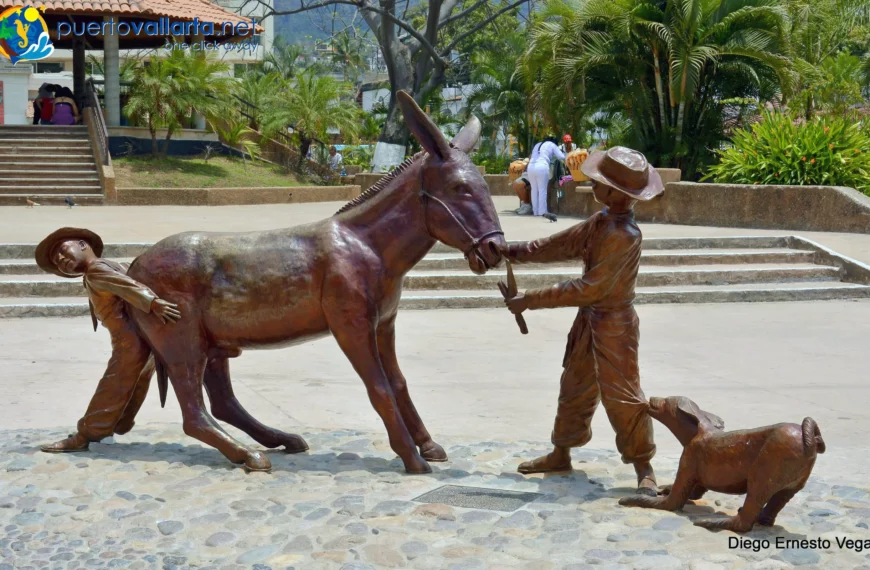


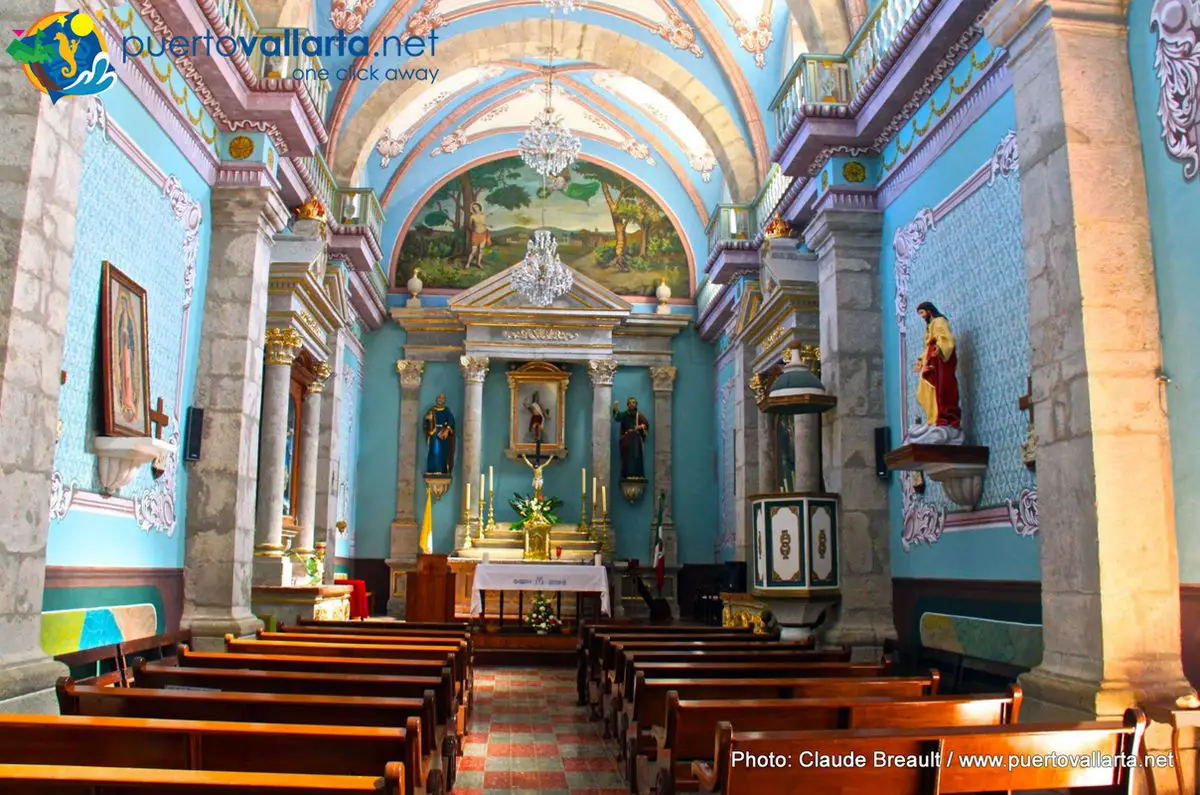
San Sebastian del Oeste Church
Other haciendas that have been wonderfully restored are La Galera, La Hacienda San José (with its unique and out-of-place palm tree in the mountains) or La Hacienda Jalisco.
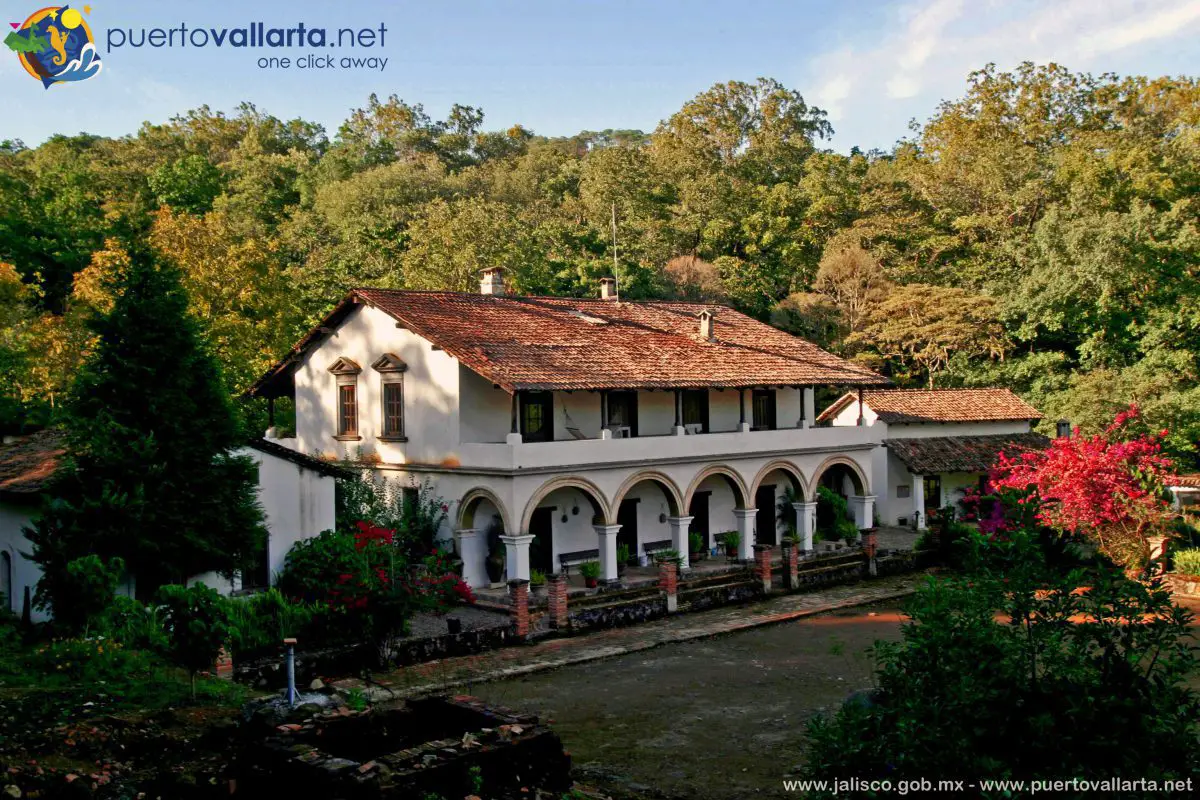
Hacienda Jalisco, San Sebastián del Oeste
The Pabellon Mexicano is an old company store but is now transformed into a boutique hotel on the southeast corner of the main square within view of the church, dedicated to Saint Sebastian.
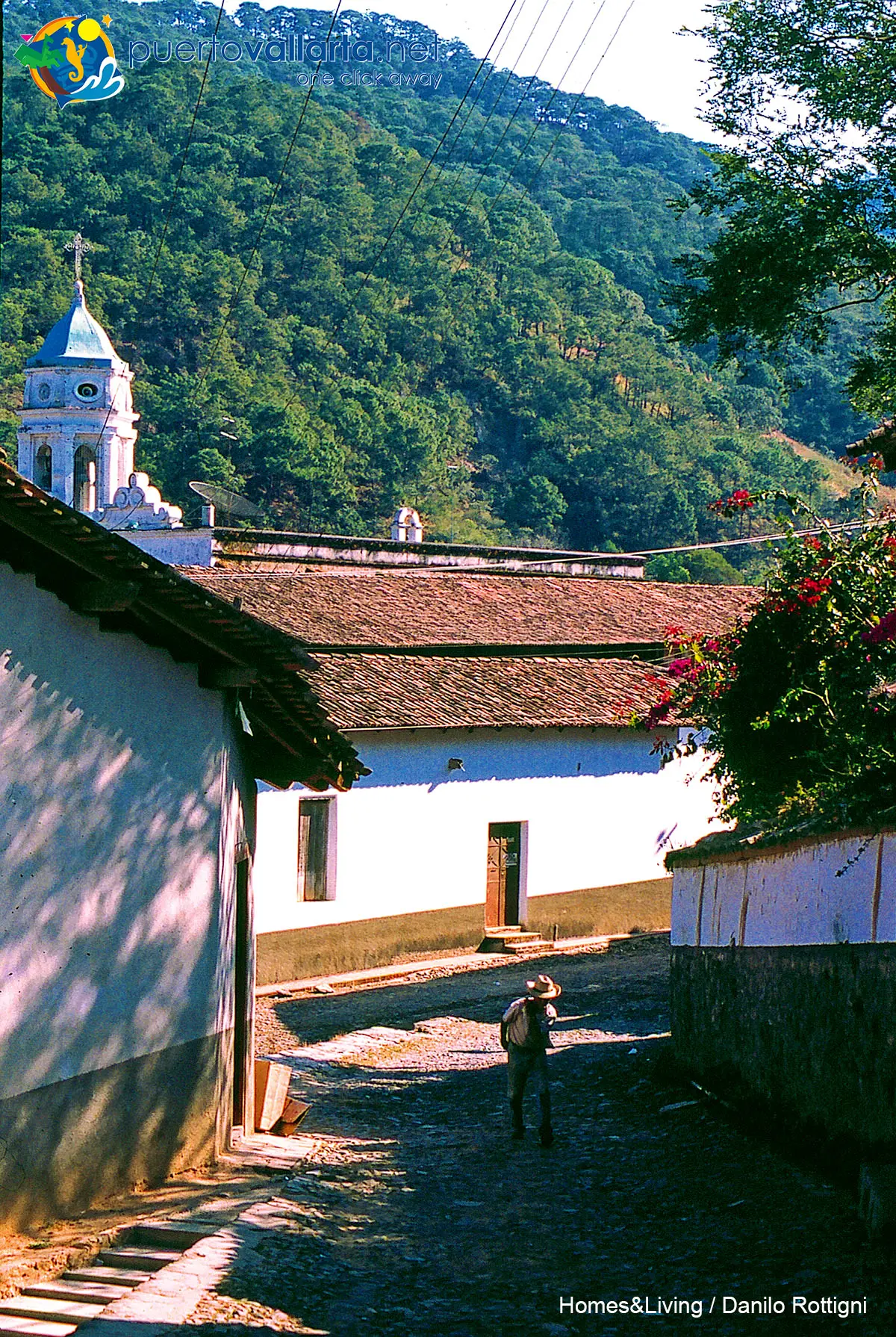
Streets of San Sebastian del Oeste
Things to do in San Sebastián del Oeste
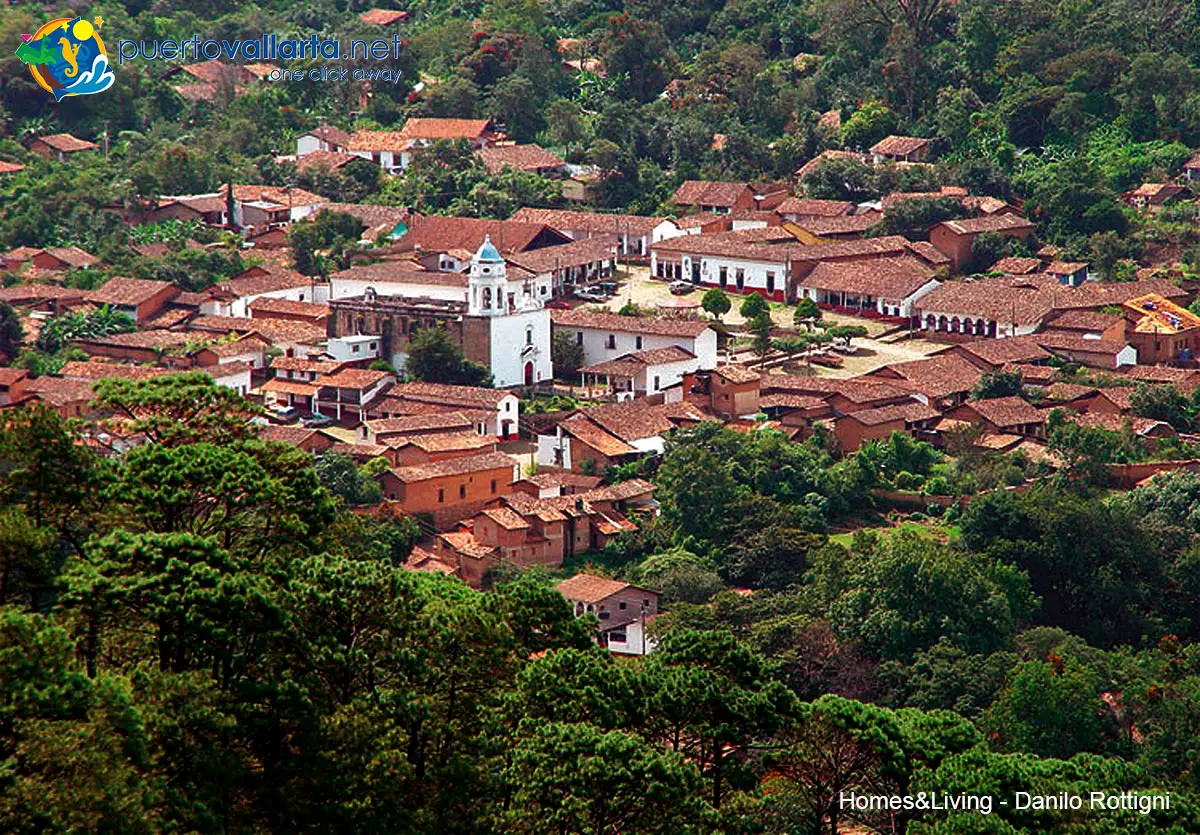
San Sebastian del Oeste
The scenic view from La Bufa is truly breathtaking… on a clear day you can see all the way to Vallarta and the waters of the Pacific Ocean, to get there you’ll need a 4-wheel drive vehicle and 45 minutes, but it’s worth it.
Yet another road can take you to Los Reyes, a tiny hamlet whose old-fashioned streets remind you of what San Sebastian was not so long ago.
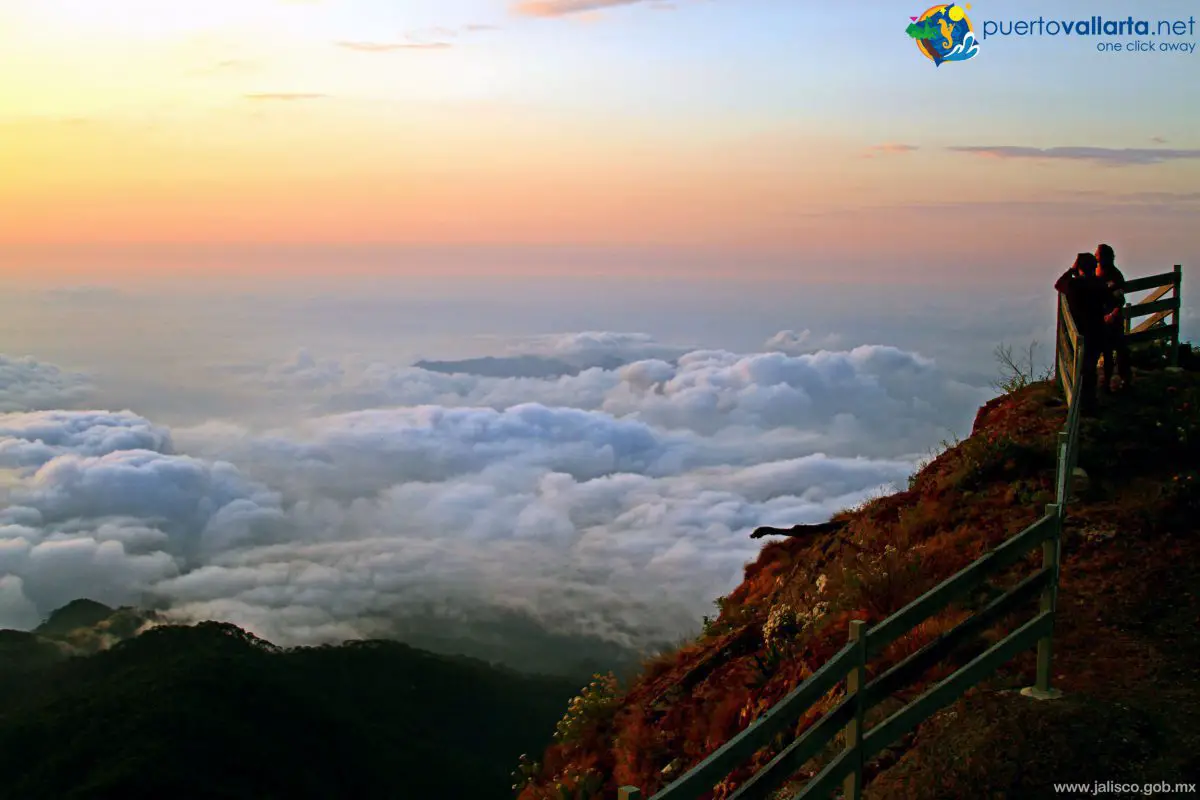
La Bufa, San Sebastián del Oeste
- Hacienda Jalisco: One of the main haciendas in the area and that in its time controlled most of the mining that took part in town.
- Iglesia de San Sebastián: A humble town church dedicated to San Sebastián Mártir, built Franciscan friars at the end of the XVIII century.
- Cerro de la Bufa (La Bufa Hill): The scenic view from La Bufa is truly breathtaking… on a clear day you can see all the way to Puerto Vallarta and the waters of the Pacific Ocean and the Banderas Bay, to get there you’ll need a 4-wheel drive vehicle and it’s a 45-minute trip, but it’s completely worth it. On the way, you’ll encounter wild animals and spectacular views and panoramas. (Photo below)
- La Quinta: A XIX century hacienda at “La Pareja” when you are driving into the town of San Sebastian. It offers regional organic coffee that is, luckily, excellent too.
- Camposanto Viejo: The cemetery dates back to the XIX century where many notorious locals rest in peace.
San Sebastián del Oeste location map
How to get to San Sebastián del Oeste
You can get to this colonial town from Puerto Vallarta by bus (ATM Red Line), the trip lasts about 2 hours and with the local buses which will cost around 6 or 7 dollars each way. There are no direct buses to this town, but you can take the ones that travel to Talpa de Allende which takes off from the corner of Lucerna and Havre street (see map below).
There are a few buses in the morning, some past midday and two in the afternoon, visit the place and ask for details. When you arrive at La Estancia, a small town on the way to Mascota, you jump off the bus. Here you can grab a taxi to San Sebastián (some 10 dollars each way). Check the schedule of the buses back to PV from La Estancia while you are there to coordinate the trip.
Puerto Vallarta to San Sebastián Map
Climate
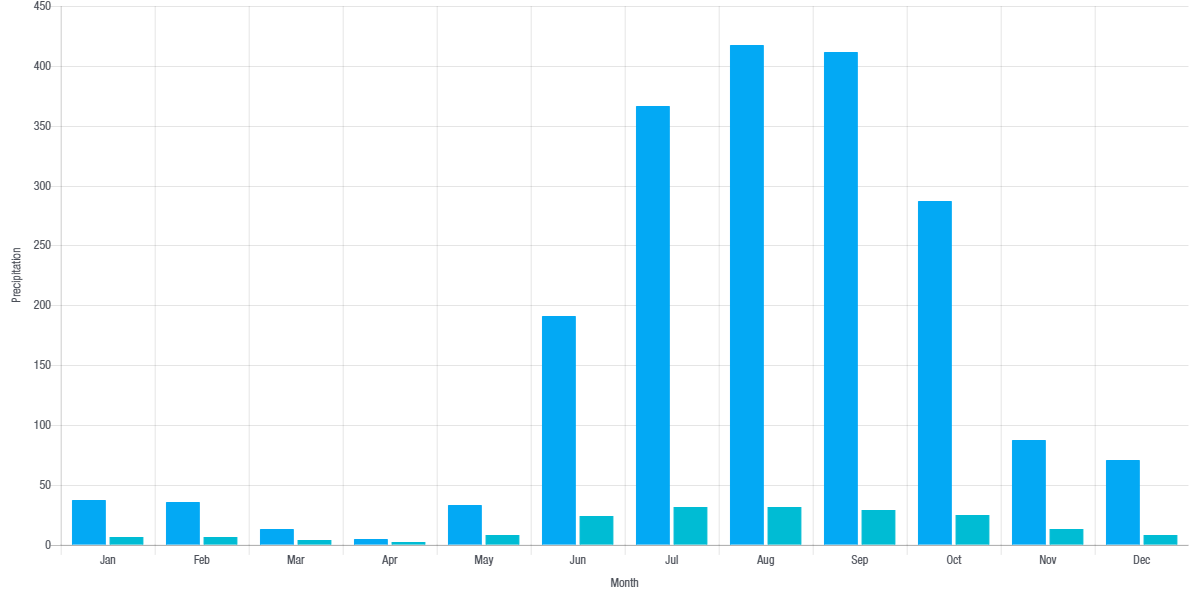
San Sebastián del Oeste, a small town in the state of Jalisco, Mexico has an average temperature of 19 degrees Celsius (68 Fahrenheit). The rain here falls mostly during the winter months. The Köppen-Geiger climate classification is Csa, having “cool” summers due to their high concentration level precipitation only during the winters alone which accounts for 1500 mm yearly.
Temperatures in San Sebastián del Oeste
High °C
Low °C
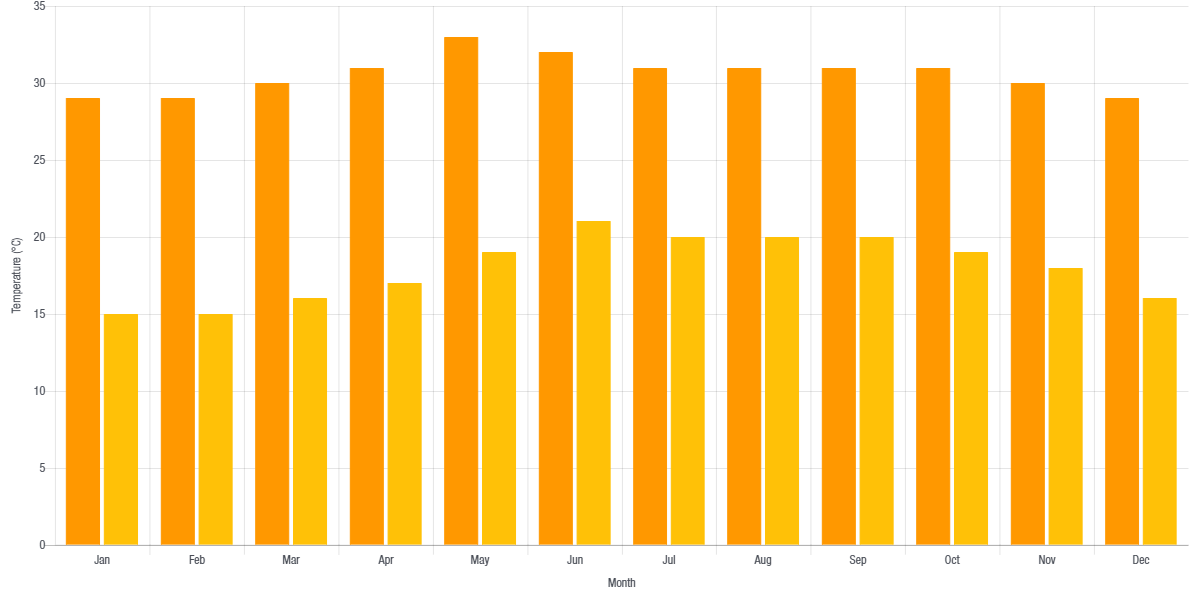
Precipitation, San Sebastian del Oeste
Precipitation mm
Days w. rain
References
- World Heritage: http://whc.unesco.org/en/tentativelists/1590/
- Wikipedia: http://en.wikipedia.org/wiki/San_Sebastián,_Jalisco
FAQ

Book tours & support us
- Best prices
- 100% Local Support
- 2 decades+ of experience in Puerto Vallarta
Puerto Vallarta news, tips & content
- New info every two weeks
- Free content, news, videos
- Unsubscribe at any time

Contact us via WhatsApp
- Talk with our reservations expert
- Real local and human support
- Book tours, hotels, transfers, and more.
Last updated on:
Share this article, choose your favorite option!