Raicilla
Summary
- Raicilla is a distilled spirit originating in the southwestern part of the Mexican state of Jalisco, made from the agave plant.
- It is a traditional beverage with about 300 years of history and a protected Denomination of Origin.
- Raicilla is colorless when matured in glass or yellowish when matured in wood.
- The aroma and flavor of Raicilla are derived from the species of agave and characterized by the soil, topography, climate, water, producer (“Maestro Raicillero”), yeasts, and other factors.
- Raicilla is distilled in rudimentary stills from a fermented mash made from the central stem (piña) of the maguey plant.
- There are two categories of Raicilla: del la costa (coastal) and de la sierra (mountainous).


General Information
Raicilla is a distilled spirit from the Western part of the State of Jalisco in Mexico. It’s one of the lesser-known alcoholic beverages made in Mexico, but might actually be the older brother of the world-famous Tequila.
The name means small root (Raicilla) and is actually distilled from the fermented juices of a maguey plant or agave. There are more than 200 species of these plants, in the case of Tequila you can only use one, the blue agave, for Mezcal you can use one of 14 species and for Raicilla, two species are used, the so-called, lechuguilla agaves, “pata de mula” (mule foot), or “agaves raicilleros” of the species (Agave inaequidens) and (Agave maximiliana).
They are smaller than the agave used for Tequila and pulque and weigh 25kg (55 lb) as a “piña” (pineapple). Some also mention the (Agave valenciana) as a source for Raicilla, but it has been protected because it’s an endangered species, so it is no longer used.
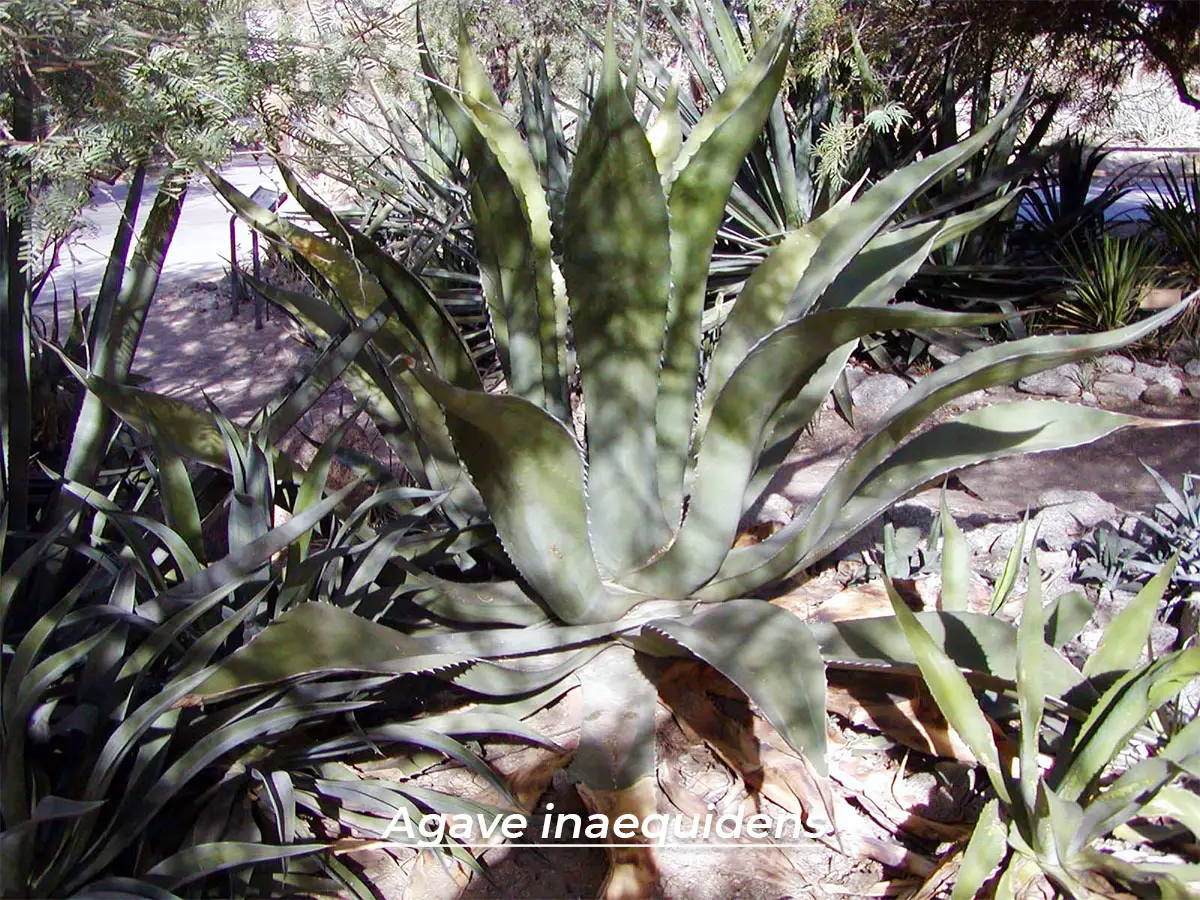
Agave inaequidens
Raicilla has been enjoyed since the XVI century and first distilled in the early XVII century, the drink of choice for miners that worked in the mountain towns of the Sierra Madre in the Western part of Jalisco. It has a harsh, unique taste and though officially a mezcal, was renamed to Raicilla so it could avoid being taxed and restricted by the Colonial government.
Mostly considered moonshine mezcal, in recent years producers have organized themselves and have started producing legal varieties and brands that are now sold in the Mexican market.
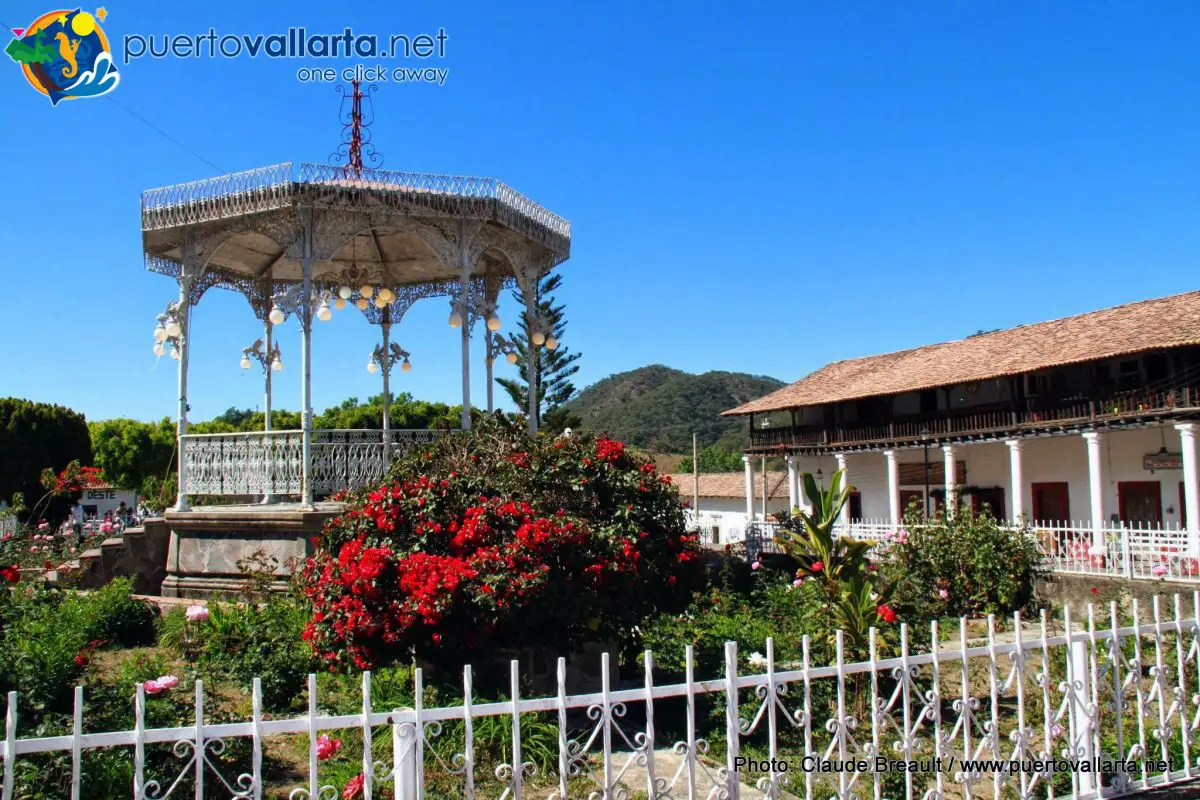
San Sebastián del Oeste, Jalisco, Mexico – Main square
The towns that produce Raicilla are: Atenguillo, Cuautla, Guachinango, Mascota, San Sebastián del Oeste, Mixtlán, Talpa de Allende, Atengo, Ayutla, Cabo Corrientes, Chiquilistlán, Juchitlán, Puerto Vallarta, Tecolotlán, Tenamaxtlán, Cimarrón Chico de la Raicilla and Tomatlán.

Talpa, Mascota and San Sebastian del Oeste
The taste varies from place to place, if it’s from the Sierra, it has a touch of citric, wood, wet earth, pepper and herbs, whereas those from the coast include tones of tropical fruits, minerals, white pepper and a smoked taste. Alcohol content depends on the brand and type but varies from 35º to 45º in alcohol content per volume (72 proof & 80 proof).
Raicilla types

Raicilla types
- Blanco: when it hasn’t been kept in oak barrels
- Joven (Young): less than one year in oak barrels.
- Reposado: Between 1 and 2 years in oak barrels
- Añejo: More than 2 years in oak barrels.
The oak wood used for the barrels can be Encino (Quercus ilex) and Roble (Quercus robur).
- The current yearly production is 100 thousand liters (26500 US gal.).
- The Mexican Raicilla Promotion Council is working to obtain a Denominación de Origen (Designation of Origin) for the product.
Production

Raicilla production
Just as with the agaves used for its famous brother distilled spirit, the Tequila, the pineapple (piña) is harvested by “jimadores” after 8 to 10 years, the spiny leaves are cut off with a “coa”, a rounded lance, and then transported from the field to the “taberna”, where the processing takes place.
The pineapples are cooked 24 hours in large wood-fired brick ovens (hornos), then they are chopped into pieces with machetes and mashed into a pulp with “mazos” (wooden mallets) in a “batea”. This pulp is then placed in 100-liter copper-bottom wooden vats (perols) where the liquid ferments for 7 to 9 days with the yeasts the plant has naturally. Once this is done, a cap is placed over the vat and sealed with mud and connected to a copper distillation coil, and then heated. The distillation process lasts 8 hours.

How to get and find Raicilla?
Raicilla Festival Program
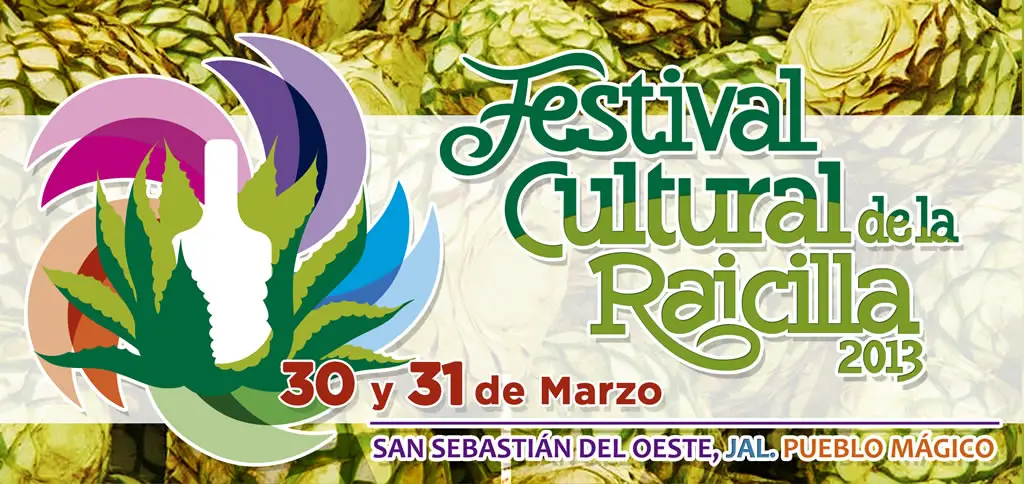
In recent years, Mascota has hosted a yearly Raicilla Cultural Festival. Sponsored by the local government and the Jalisco State Tourism Office, the event includes Raicilla tasting, tours, and lectures on the production and history of the drink, including live music and traditional dance.
If you are in Puerto Vallarta the easiest way to enjoy Raicilla is to travel to El Tuito, a town that is now also known for its good Raicilla. Located some 45 minutes south of Vallarta, you get there by taking Highway 200 going south of the romantic zone, you’ll pass Mismaloya, Boca de Tomatlán, Las Juntas, the Vallarta Botanical Gardens before arriving in El Tuito. There ask anyone (old enough) where you can find Raicilla and you’ll be shown the location.
Raicilla Brands

Raicilla brands
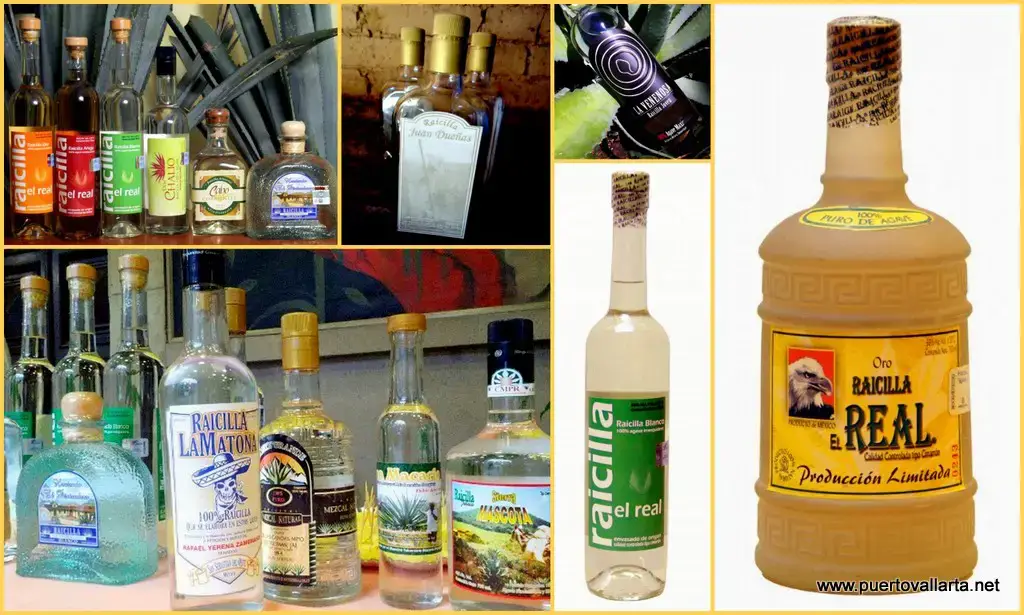
There are a total of around 26 registered Raicilla brands, these are some of the most important, some with websites or Facebook pages:
- Balam
- Cabo Corrientes
- Don Chalio
- El Coyote
- El Real
- Guadalajareña
- Hacienda El Divisadero
- Jalisco
- Juan Dueñas
- La AltaneraAltanera
- La Gorupa
- La Venenosa
- Las Praderas
- Rancho El Cono
- Republic
- Sierra del Mosco
- Sierra Mascota
- Tenanchi
Legends
William Reed, in his book “Escape to Paradise”, mentions a few interesting details on the Raicilla moonshine liquor, for example, he says that the plant used is a distant cousin of the peyote and that it includes the hallucinogen, mescaline.
He mentions having sent a sample to the US to analyze it and that is, in fact, did have mescaline, how much it had depends on the variety you buy, if it’s the street quality it has half, if not less, than the quantity in the type called “de punta”, which is much more expensive, and this due to the fact that it’s the first distilled liter of Raicilla extracted from a 50 gallon drum.
At Yelapa.info they recommend that “…when you drink it for the first time, you should be in secure surroundings among people you know and trust and use cautious moderation.”
More information
The main association behind the promotion and expansion of the liquor is the Mexican Raicilla Promotion Council (Consejo Mexicano Promotor de la Raicilla).
Insert on Raicilla on Wikipedia (not very useful).
Casa Museo de la Raicilla
There’s a museum in Mascota called “Casa Museo de la Raicilla” Raicilla House Museum, where you’ll enjoy a guided tour on the history and background of Racilla production, there’s also a store where you can buy the liquor.
Address: Morelos 26, Centro, Mascota.
Raicilla Hacienda El Divisadero
You can also enjoy a Raicilla Distillery tour at Hacienda El Divisadero.
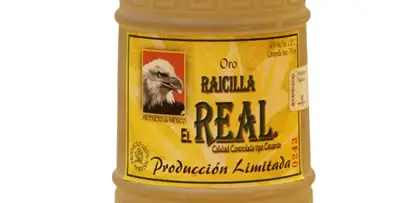
Raicilla El Real
Callejón Alvarado No. 5 Col. Barrio Centro 46990,
San Sebastián del Oeste, Jal. México
Tel.: (322) 297-2863, 297-2935
Fax: (322) 297-2863
http://www.Raicillaelreal.com/
Raicilla Las Praderas
Rubén Peña, Mascota, Jalisco.
Tel.: (38) 8386-1564
https://www.facebook.com/Raicilla.laspraderas
FAQ
- What is the safest part of Puerto Vallarta to stay in?
The Marina and the Romantic Zone are considered some of the safest areas to stay in Puerto Vallarta. Both areas are popular among tourists and offer a variety of accommodations, restaurants, and attractions. The Marina is known for its upscale atmosphere, luxury resorts, and high-end shops and restaurants. It has a very secure, controlled environment with 24/7 security personnel. The Romantic Zone offers a more authentic Mexican experience with cobblestone streets, colorful colonial buildings, and a vibrant mix of galleries, cafes, and bars. As a central tourist area, it also has a strong police presence and is considered very safe.
- Where do locals go in Puerto Vallarta?
Locals in Puerto Vallarta enjoy spending time at the city’s beautiful beaches, scenic parks, and lively local markets. Popular beach spots include Playa de Oro, Playa Las Animas, and Playa Camarones for their soft sand and calm waters. Many locals visit the Vallarta Botanical Gardens to enjoy the lush vegetation and hiking trails. They also frequent authentic local food venues like Birrieria las 3 Regiones taco stand, cafes like Cafecito Vallarta, and neighborhood bars like La Cerveceria Union. The downtown Lazaro Cardenas market is a favorite for produce, spices, crafts.
- Is Downtown Puerto Vallarta nice?
Yes, downtown Puerto Vallarta is an exceptionally nice and popular area, celebrated for its vibrant mix of historic Mexican charm and a lively beach town atmosphere. It features a picturesque historic center with cobblestone streets, colorful buildings, and the iconic Parish of Our Lady of Guadalupe church. The downtown seamlessly blends into the scenic Malecón, a beautiful oceanfront boardwalk lined with fascinating sculptures, shops, and restaurants, making it perfect for strolling and enjoying the stunning ocean views.
The area offers an excellent variety of dining, from upscale restaurants to authentic street food, along with fantastic shopping in boutiques and art galleries. Adjacent to the main center is the popular Zona Romántica (Romantic Zone), known for its trendy vibe and energetic nightlife. The entire downtown is considered safe and is very walkable, allowing visitors to easily explore its captivating blend of culture, cuisine, and coastal beauty on foot.
Tip: For an unforgettable experience, head down to the Malecón or any beachfront spot about 30 minutes before the scheduled sundown to watch the spectacular sunset over the bay.
- What is considered old town in Puerto Vallarta?
Old Town, also known as the Romantic Zone or Zona Romántica, is considered the historic heart of Puerto Vallarta. It is characterized by its picturesque cobblestone streets, classic whitewashed buildings, red-tiled roofs, and a lively mix of shops, galleries, restaurants and bars. Nestled between the Sierra Madre mountains and Banderas Bay, Old Town has a traditional Mexican village charm with its colonial architecture and slower pace compared to the rest of Puerto Vallarta. Its romantic ambience comes from the area’s natural beauty, outdoor cafes, and charming boutique hotels. Old Town offers visitors a taste of an authentic Mexican neighborhood.

Book tours & support us
- Best prices
- 100% Local Support
- 2 decades+ of experience in Puerto Vallarta

Puerto Vallarta news, tips & content
- New info every two weeks
- Free content, news, videos
- Unsubscribe at any time

Contact us via WhatsApp
- Talk with our reservations expert
- Real local and human support
- Book tours, hotels, transfers, and more.
Last updated on:
Share this article, choose your favorite option!