Puerto Vallarta Iguana
Summary
- The biodiverse environment in Puerto Vallarta helps make the region a natural and beautiful place for visitors to come to visit.
- Tropical and temperate influences converge in this area to provide shelter to a unique and rich ecology and wildlife, including 300 species of rare orchids.
- Some of Mexico’s most diverse flora and fauna are found in Puerto Vallarta, in large part due to the lush vegetation of the Sierra Madre Occidental.
- The luscious environment provides an ecosystem for not only mysterious mammals, reptiles, and bugs but also hundreds of bird species, making Puerto Vallarta a birdwatching paradise.
- The Puerto Vallarta Tropical Rainforest (jungle) offers food and shelter to an amazing amount of animals in all shapes and sizes, among the most notable are the leatherback sea turtles and humpback whales that visit the region every year.


Introduction
Puerto Vallarta is located within the Banderas Bay and is part of the Western Sierra Madre, the local climate is tropical, which makes it a veritable paradise for both flora and fauna, airborne, on land or in the water. It is considered a very important habitat in America as it protects and harbors a large number of species.
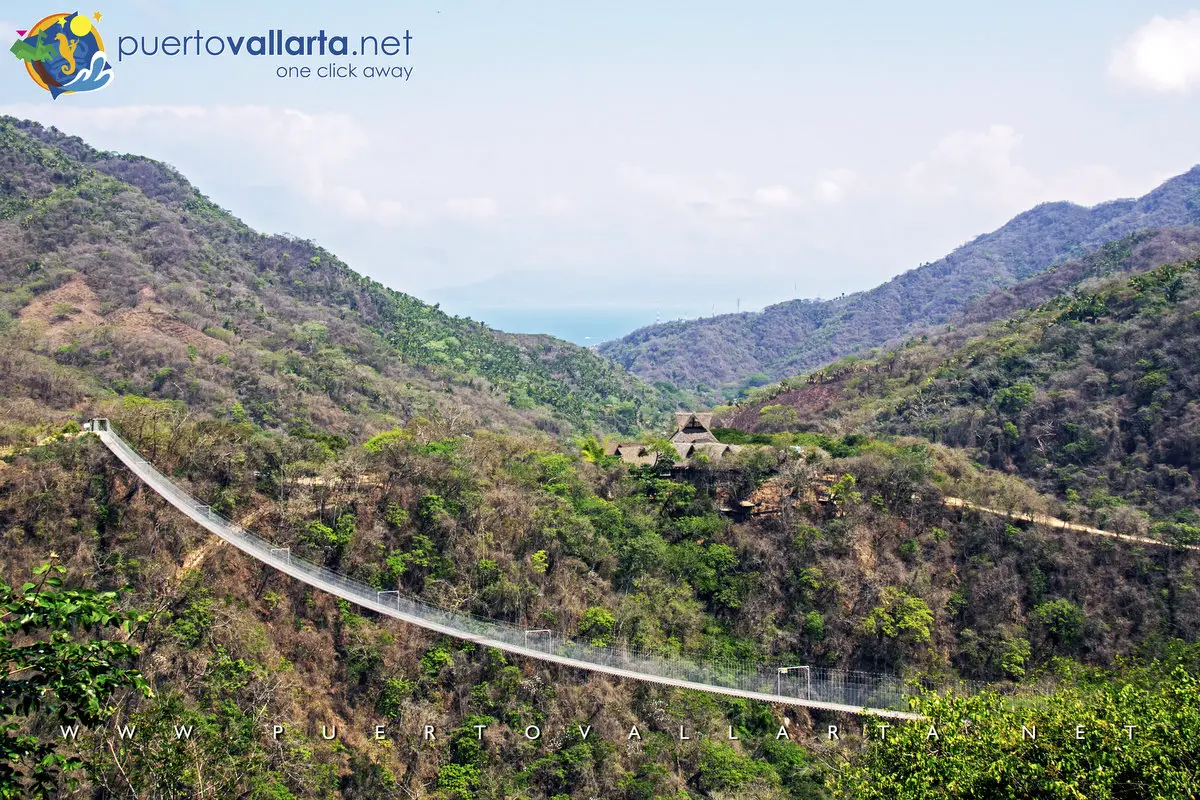
Vallarta Jungle
The Western Sierra Madre is covered by thick jungle that grows right to the edge of the Pacific Ocean where most beaches and towns are only accessible by sea. This extraordinary environment provides shelter for not only mammals, reptiles, insects and lesser-known species, but also four hundred bird species of many different sizes and colors and three hundred orchid species. Puerto Vallarta’s tropical weather is vital in sustaining the biodiversity, abundant rain and sun sustain a beautiful tropical canopy that covers mountains and feeds the different inhabitants of the jungle.
Puerto Vallarta offers more than 25 miles of coasts and beaches, virgin jungle makes this destination ideal for ecotourism.
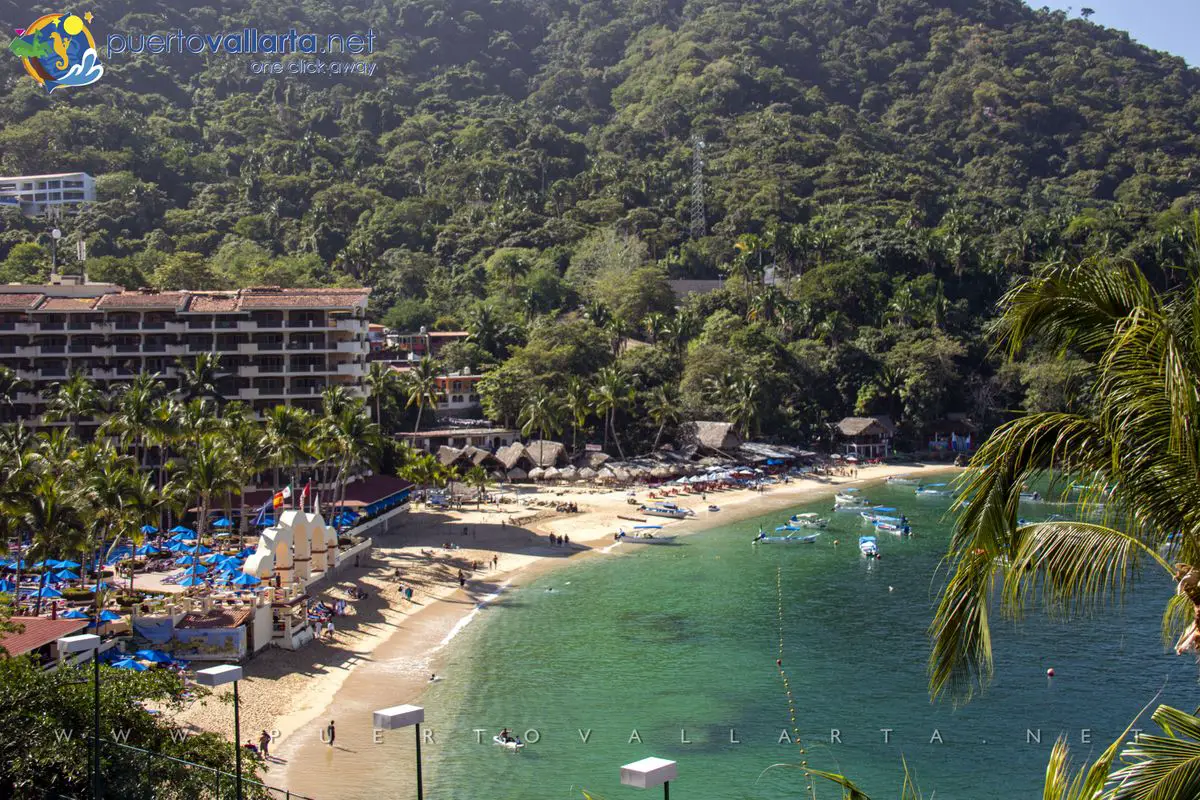
Mismaloya bay and beach
At Mismaloya, south of Puerto Vallarta, you’ll find one of the most exuberant jungles, where a small river meets the sea, it extends for approximately 250 meters, if you have a chance visit it and enjoy exploring and sharing with nature, between the mountains, rivers, waterfalls, the jungle and the sea.
Puerto Vallarta Flora & Fauna
Flora
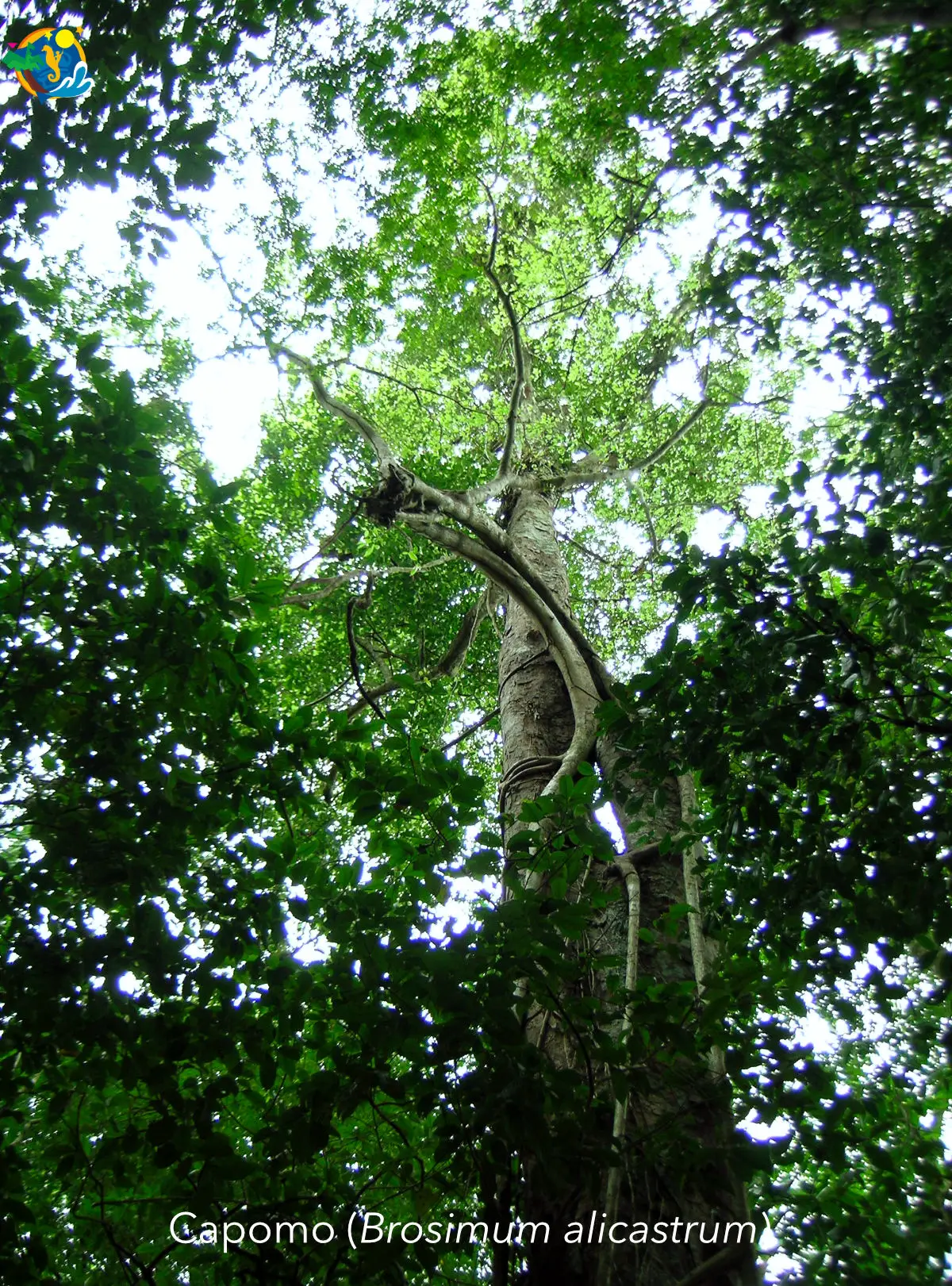
The vegetation is abundant and diverse in Puerto Vallarta where most of the jungle is tropical jungle, the most common species you’ll find in it are, the capomo (Brosimum alicastrum), the habillo (Hura poliandra), the trompera (Cecropia obtusifolia) and various species of Ficus and Busera, plus beautiful oil coconut trees (Attalea cohune) and the coyul (Acrocomia mexicana), that when found in large concentrations transform the jungle into a palmar.
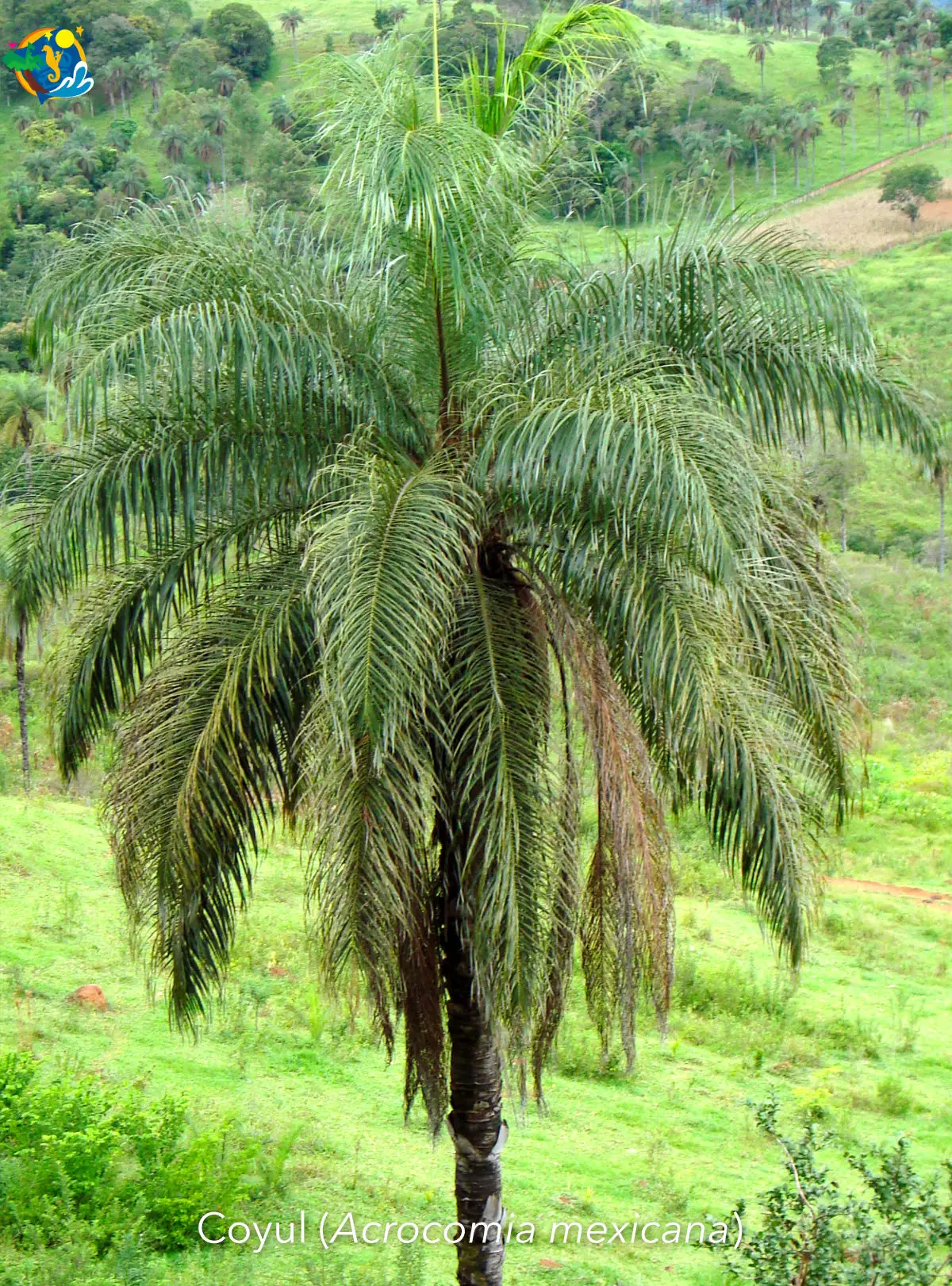
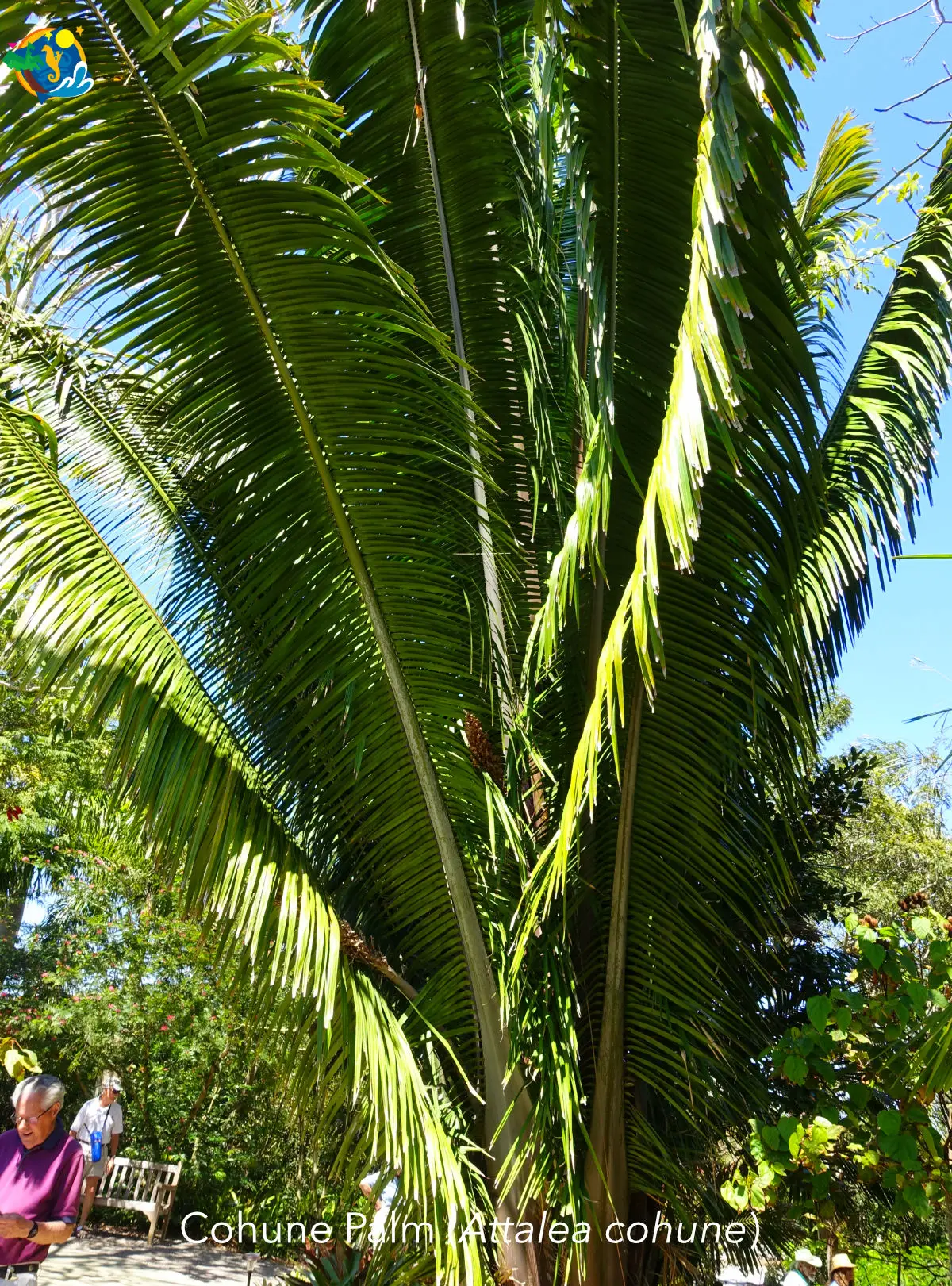
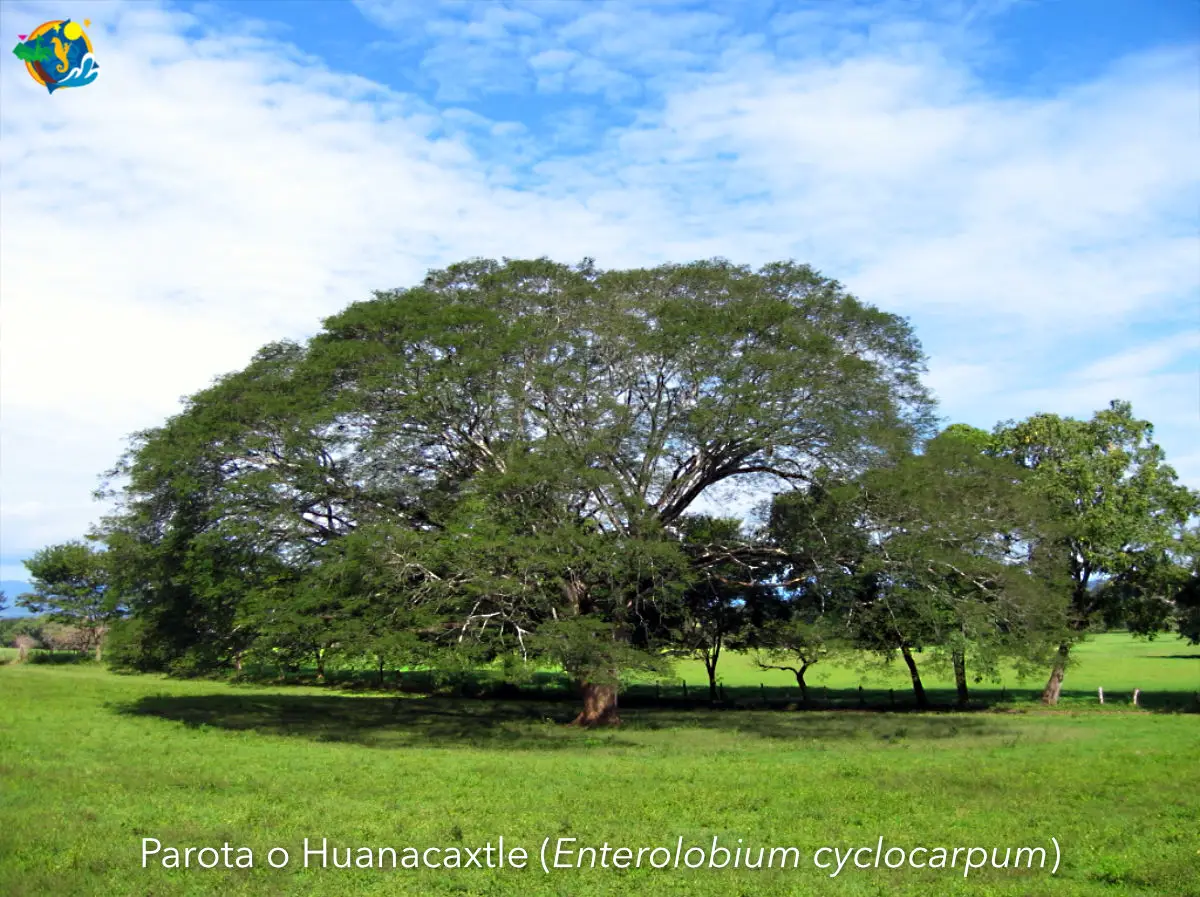
Other tree species you may find in the area include Chilte, Brasil (Tinte Madera), Tampicirán and Amapa; among the flowering species: orchids and bougainvillea; various trees: amapa, primavera, parota, cedar and nogal, all of which were used to make furniture or canoes. For those that enjoy tropical fruits, Puerto Vallarta offers coconuts, guamuchiles, mangos, guavas and avocados.
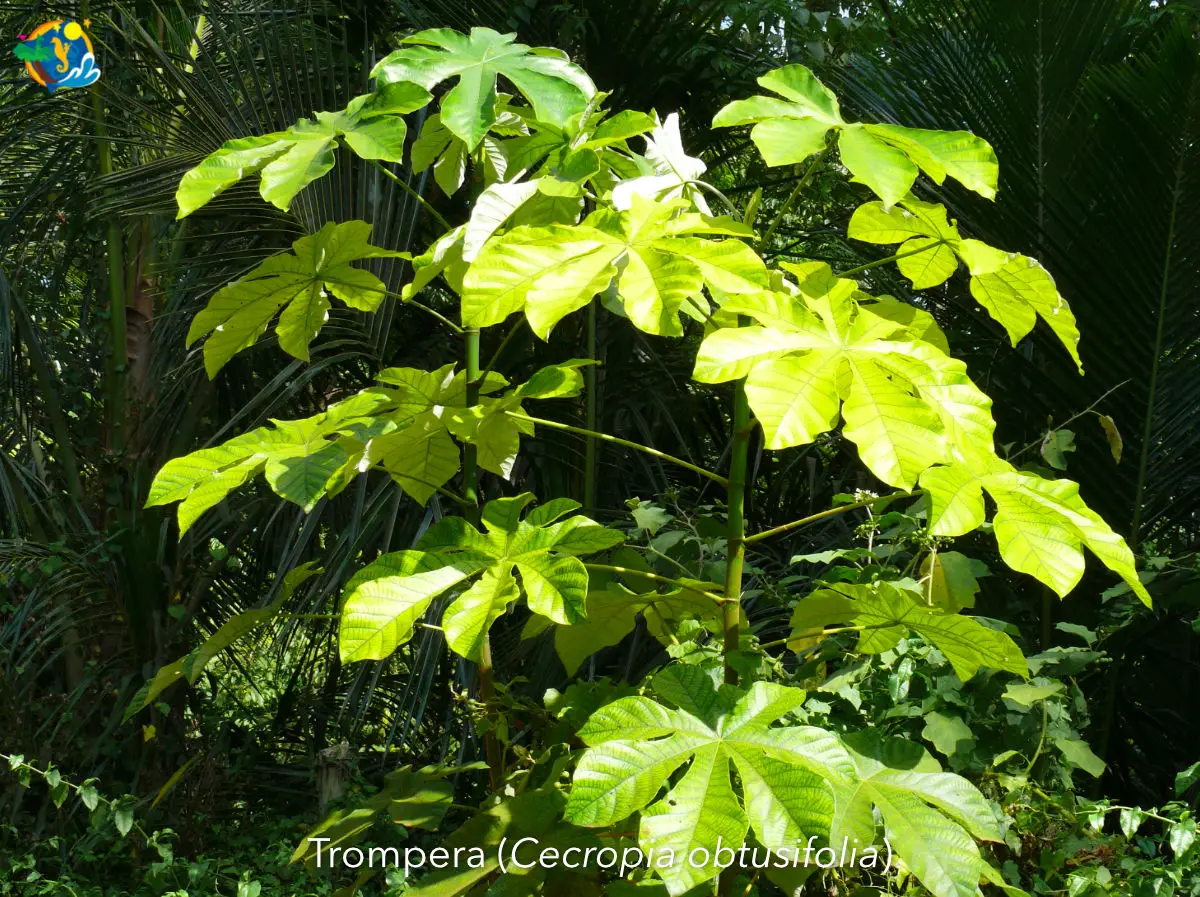
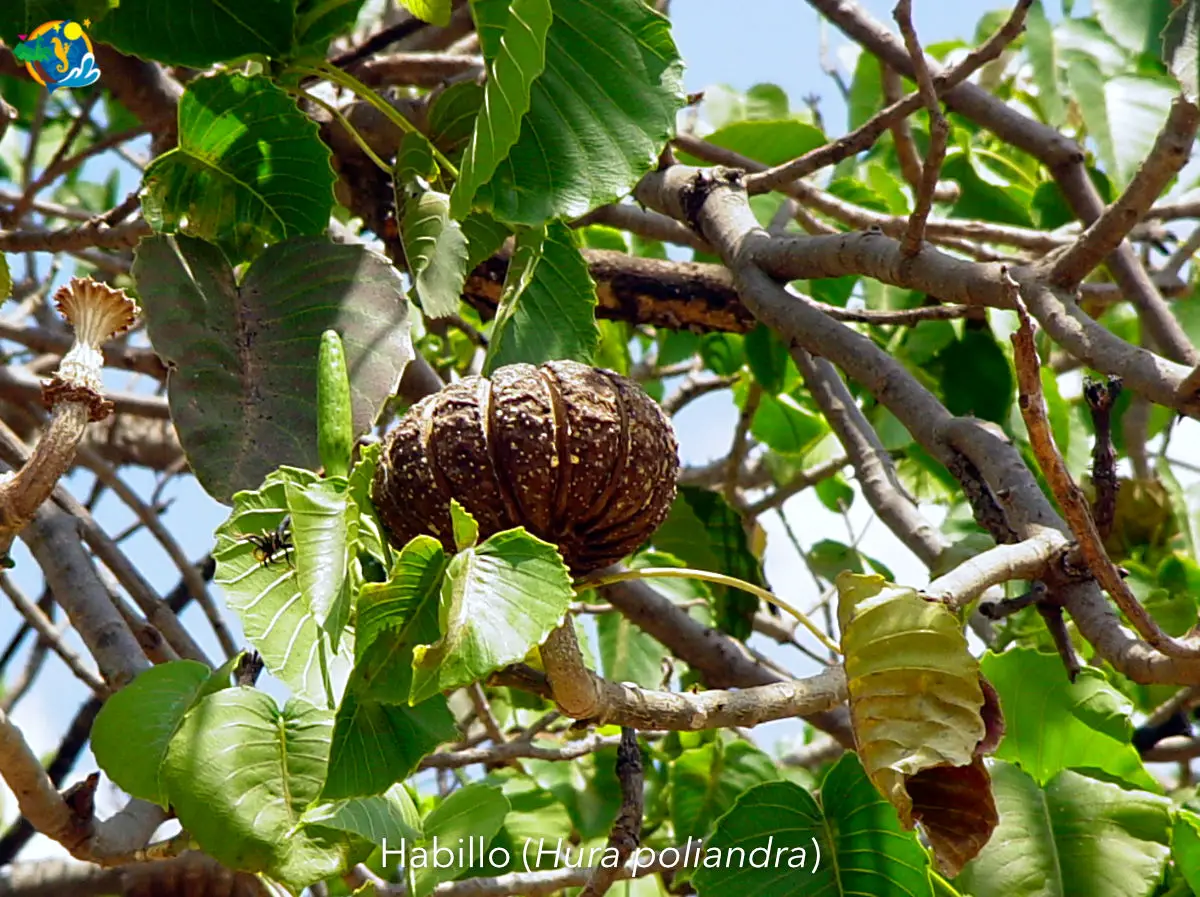
Fauna
Tropical jungles, in their abundance, offer food and shelter to an amazing amount of animals in all shapes and sizes, among the most interesting and unique in the Puerto Vallarta area are: The nine-banded armadillo, cat-sized armored insectivorous mammal, the nocturnal badger, the White-nosed coati (Nasua narica), a raccoon family member with a white snout and ochre color.
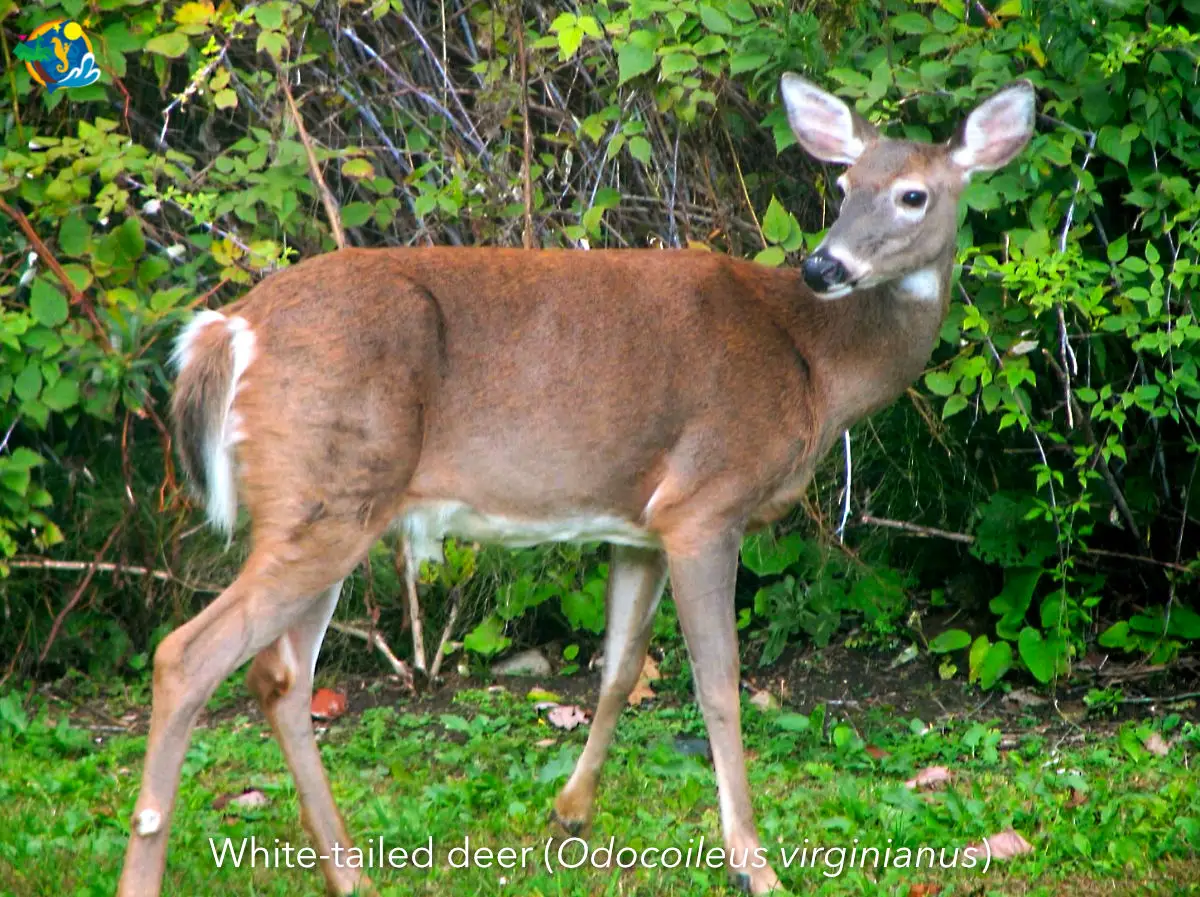 White-tailed deer (Odocoileus virginianus)
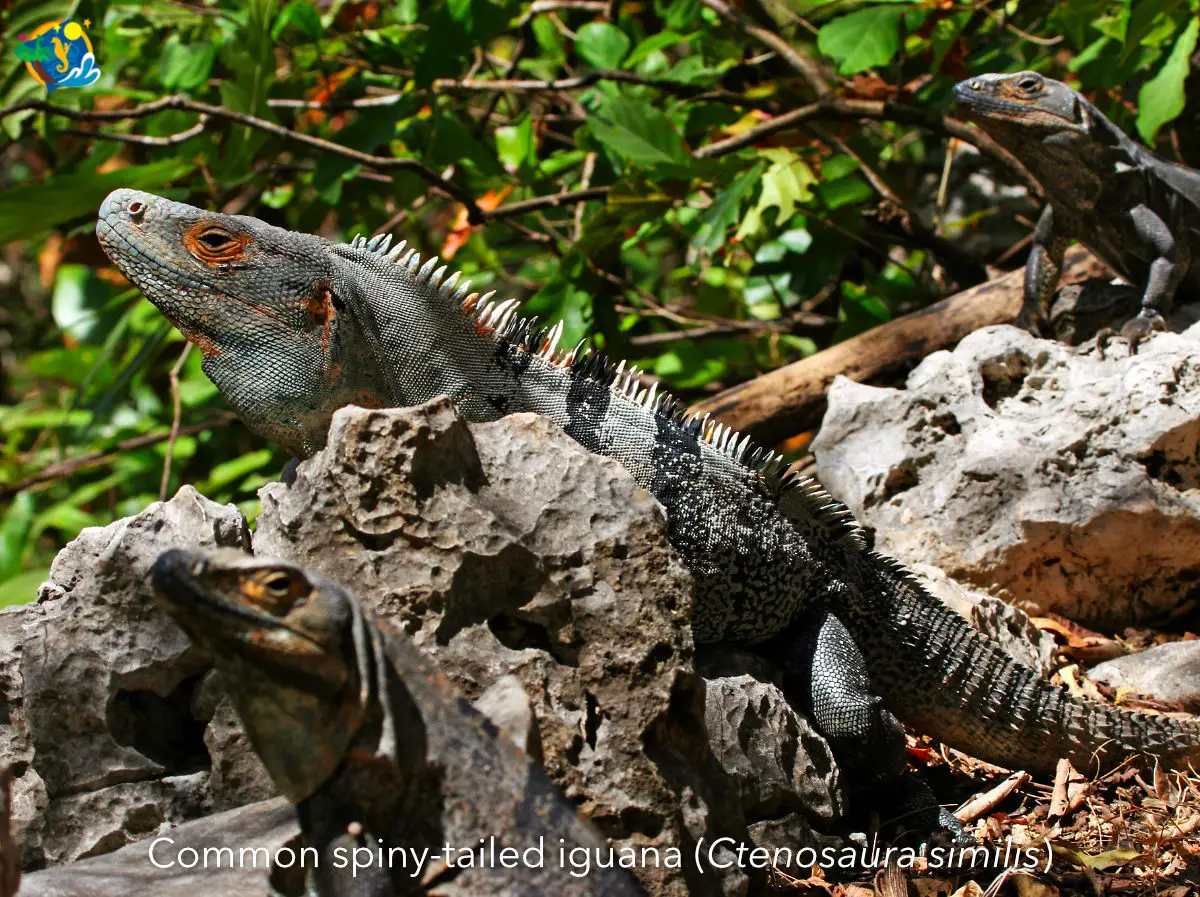 Common spiny-tailed iguana (Ctenosaura similis)
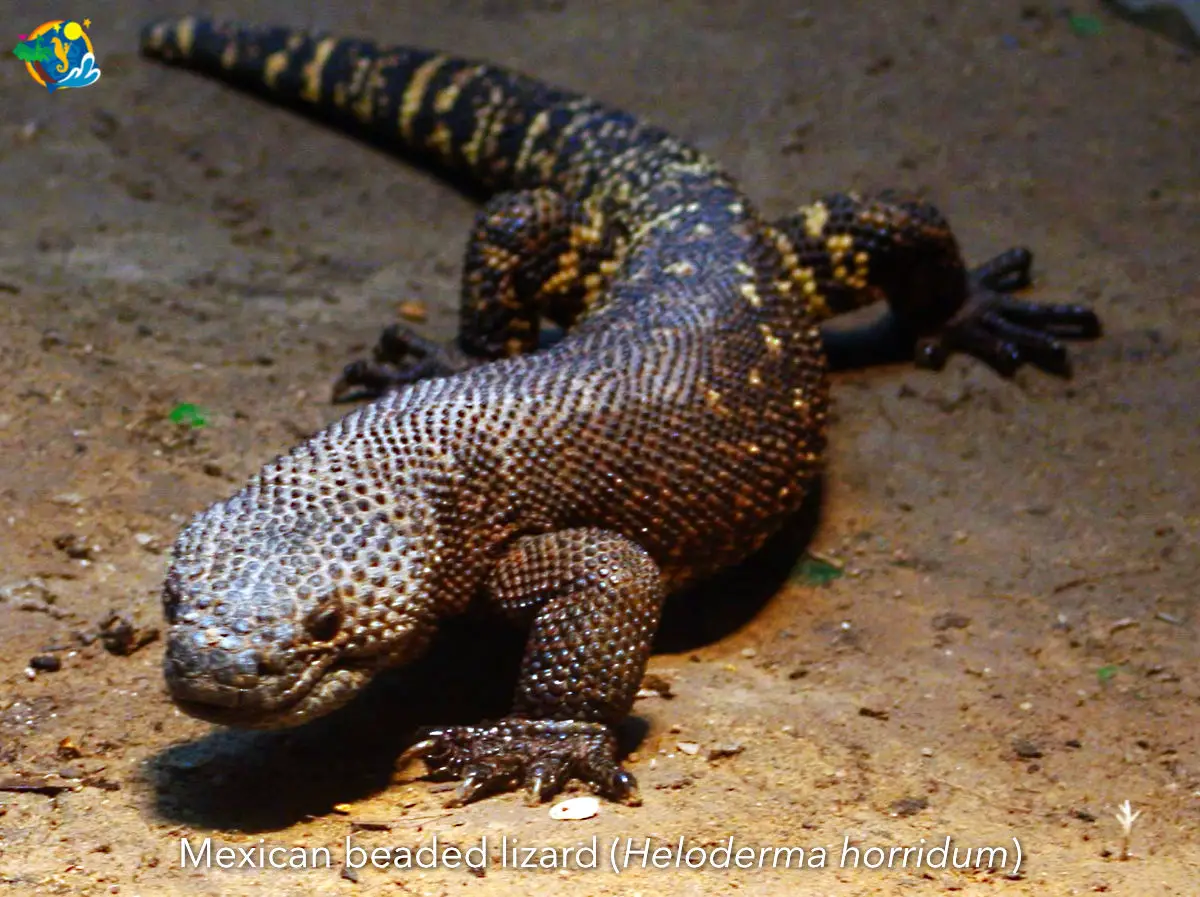 Mexican beaded lizard (Heloderma horridum)
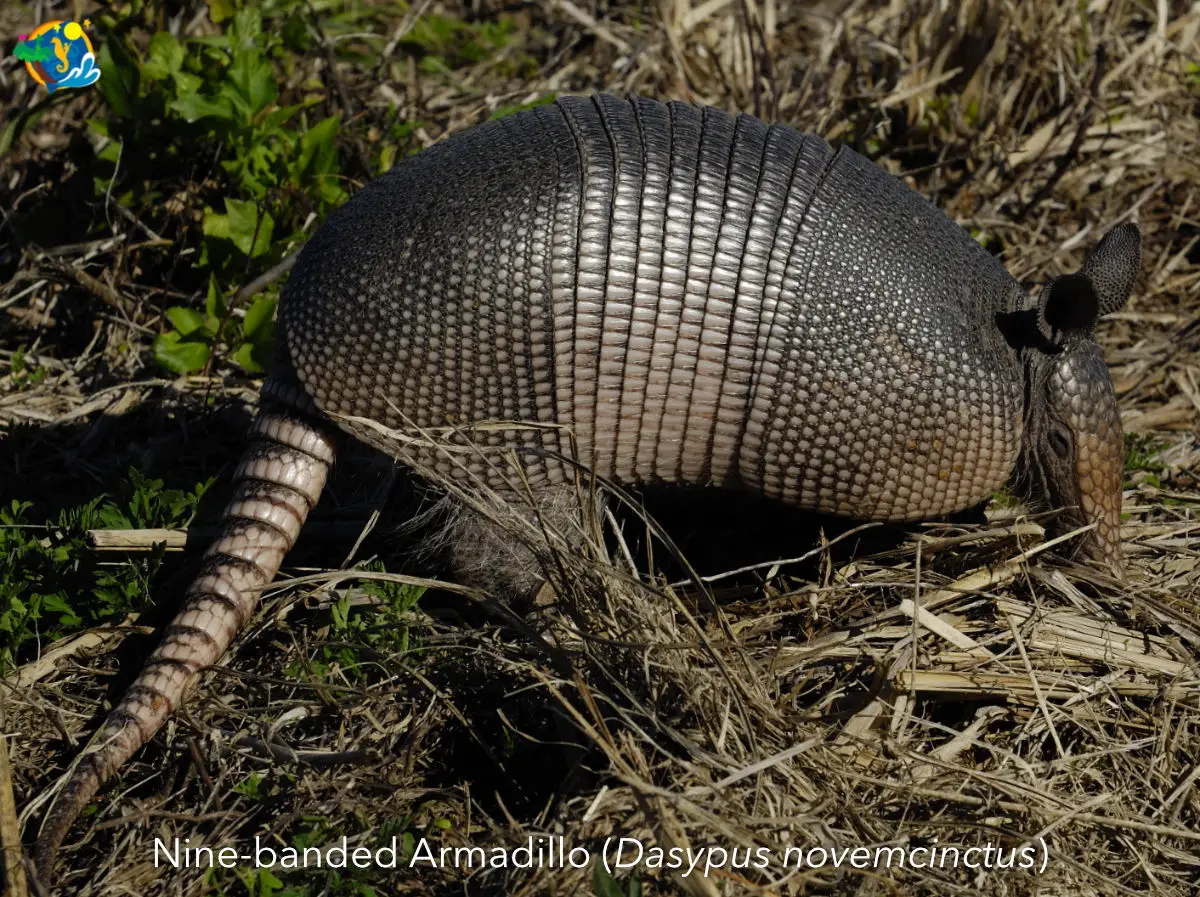 Nine-banded Armadillo (Dasypus novemcinctus)
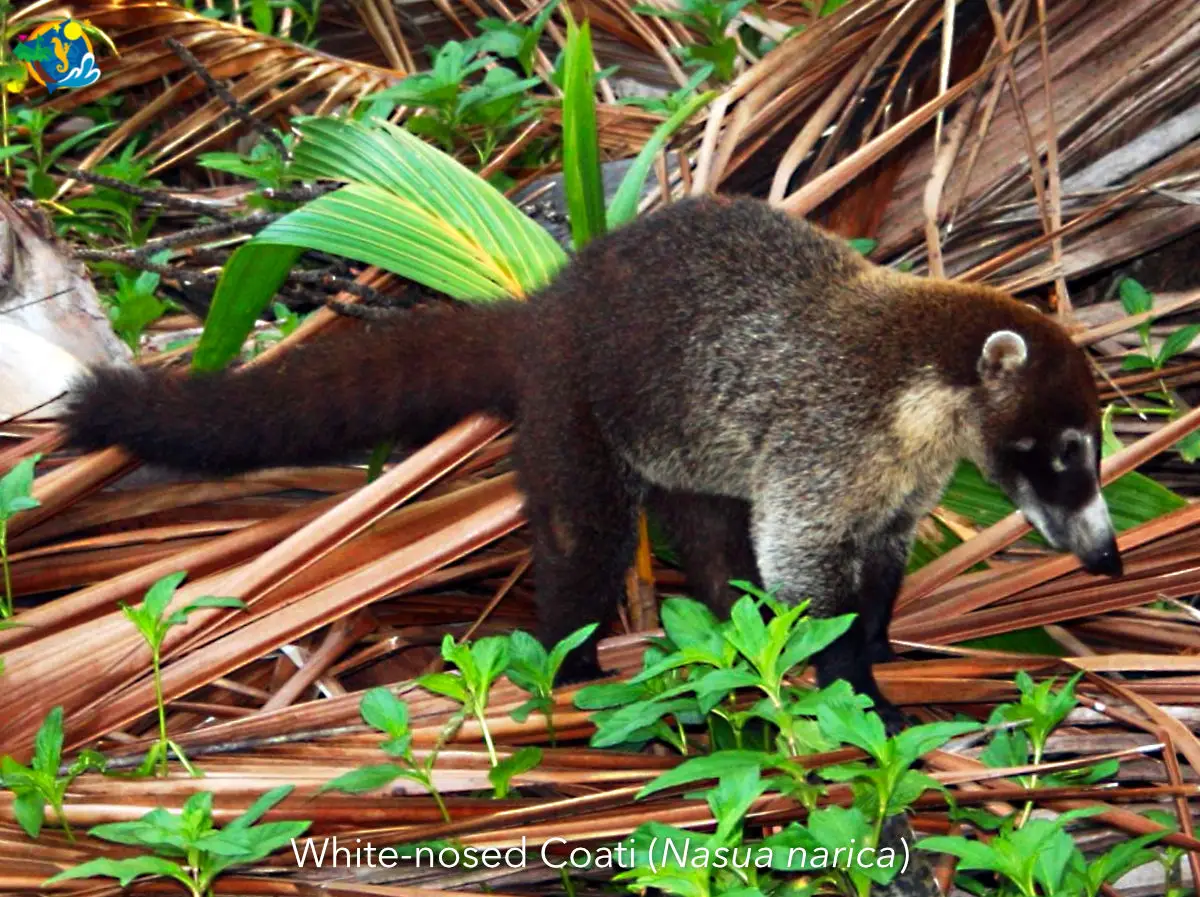 White-nosed Coati (Nasua narica)
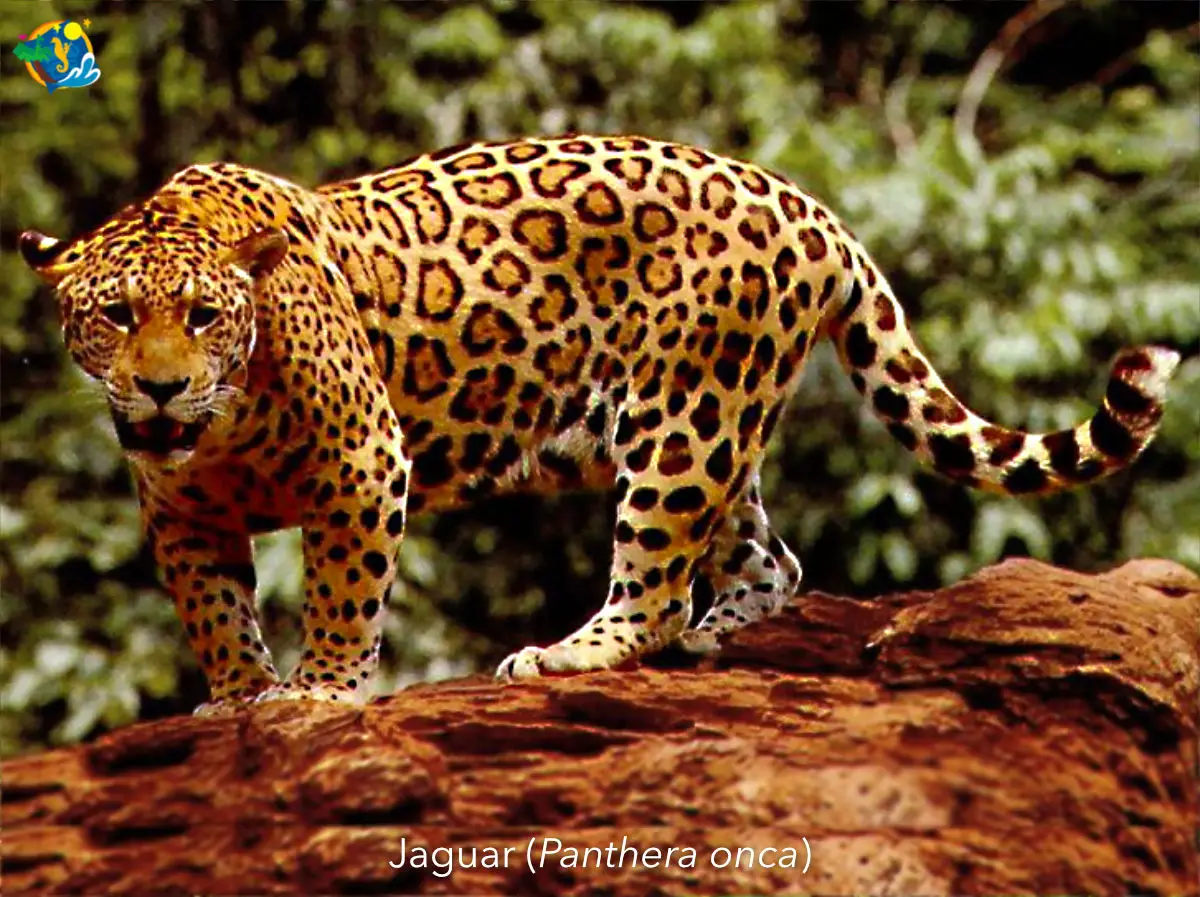 Jaguar (Panthera onca)
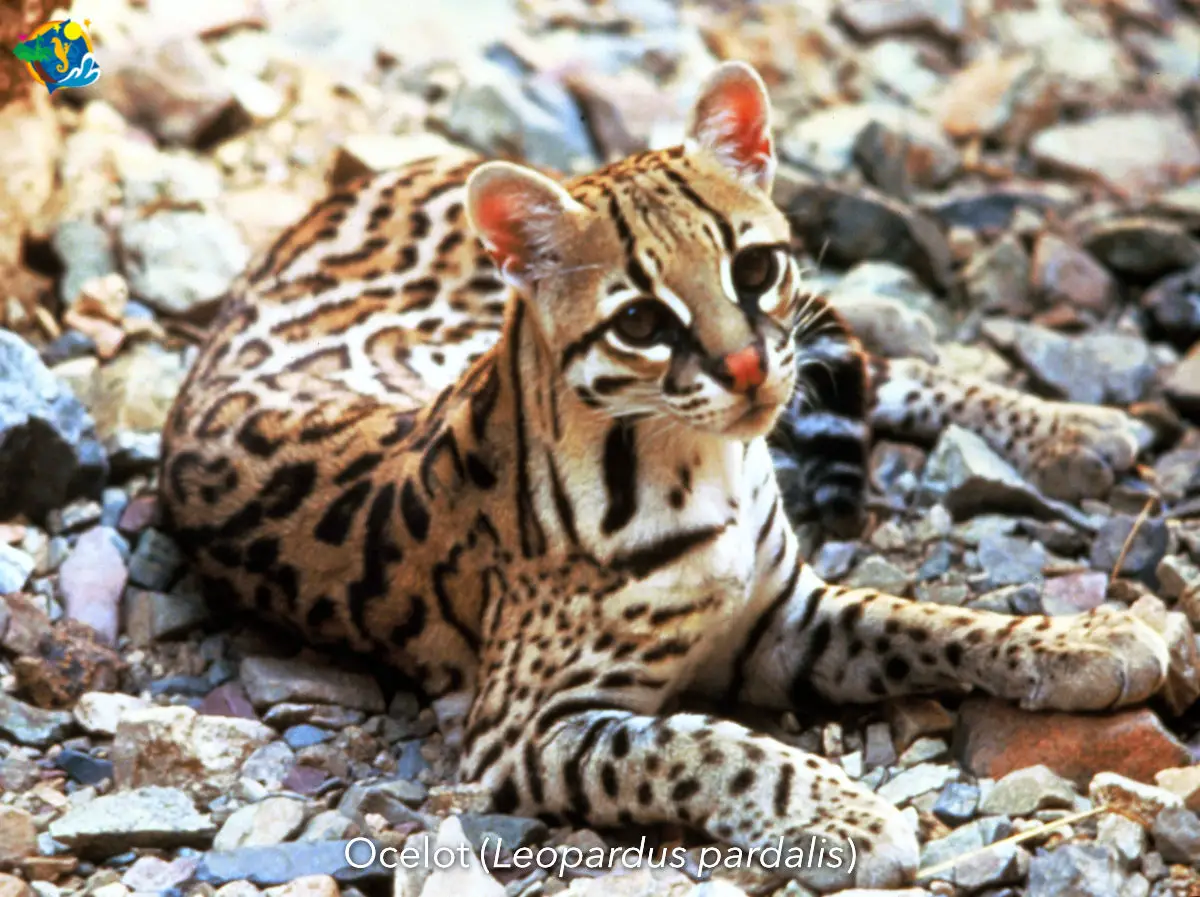 Ocelot (Leopardus pardalis)
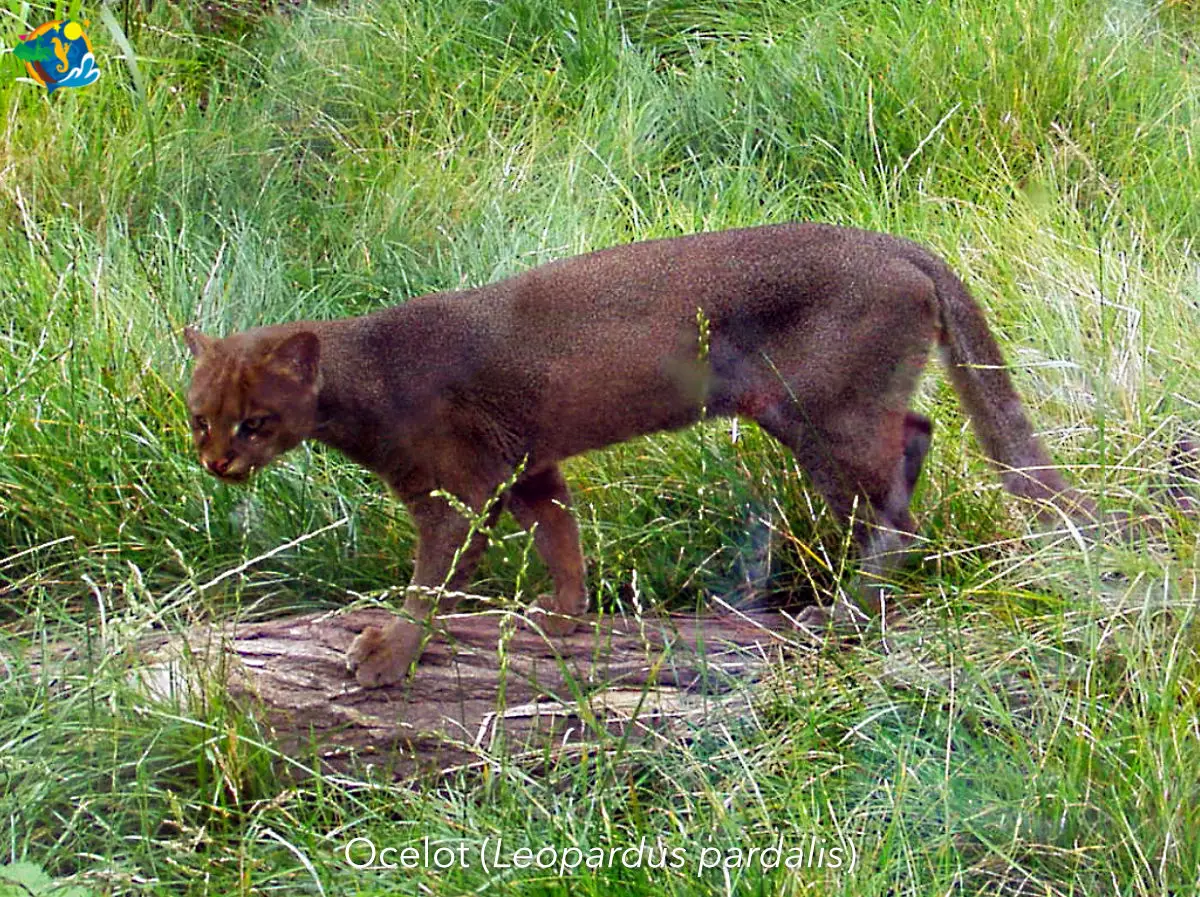 Jaguarundi (Herpailurus yagouaroundi)
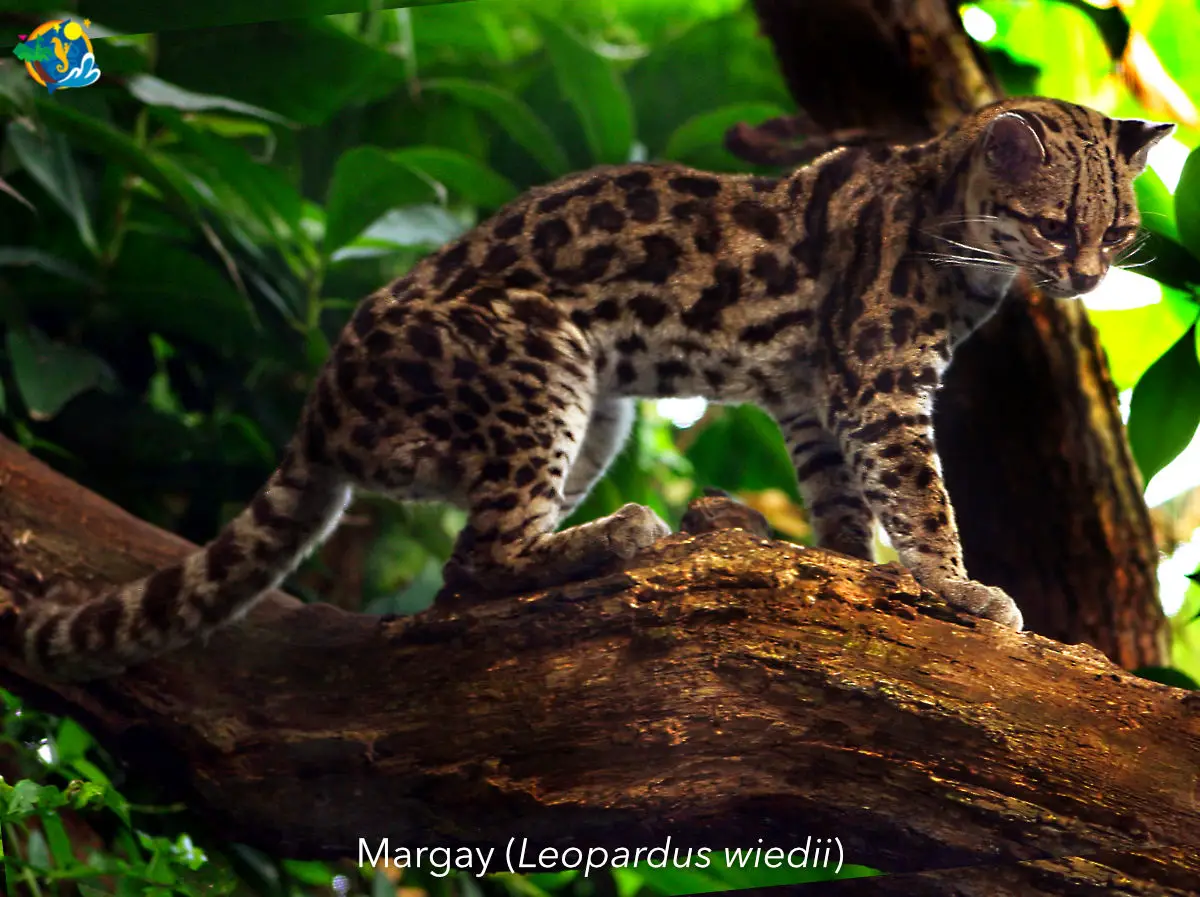 Margay (Leopardus wiedii)
Among the most impressive of the local mammals are four important felines, that include jaguars, ocelots, jaguarondis and margays. Less dangerous mammals include the white-tailed deer. Reptiles include green iguanas, spiny-tailed iguanas and the Mexican beaded lizard, crocodiles and many different snake species.
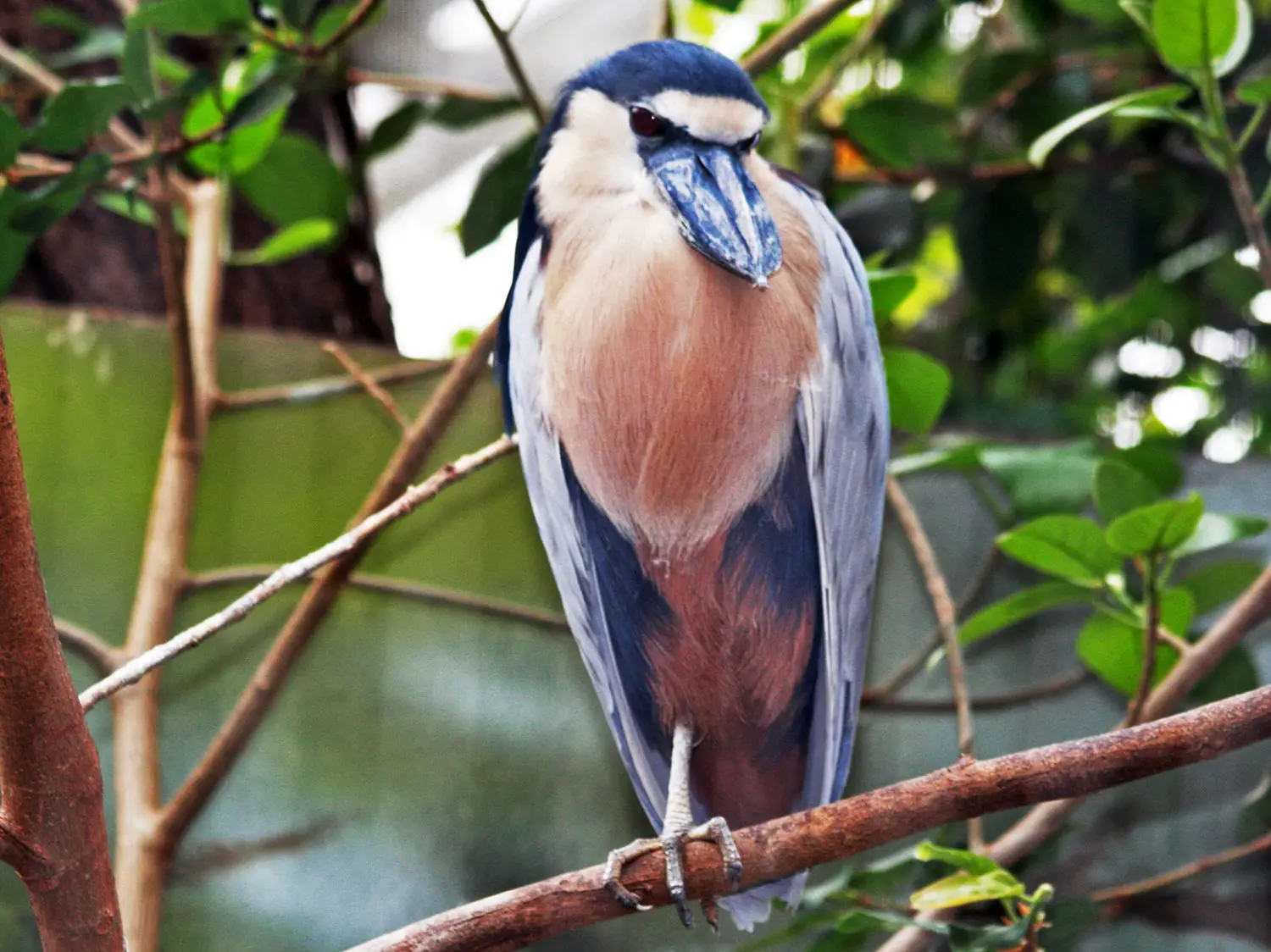
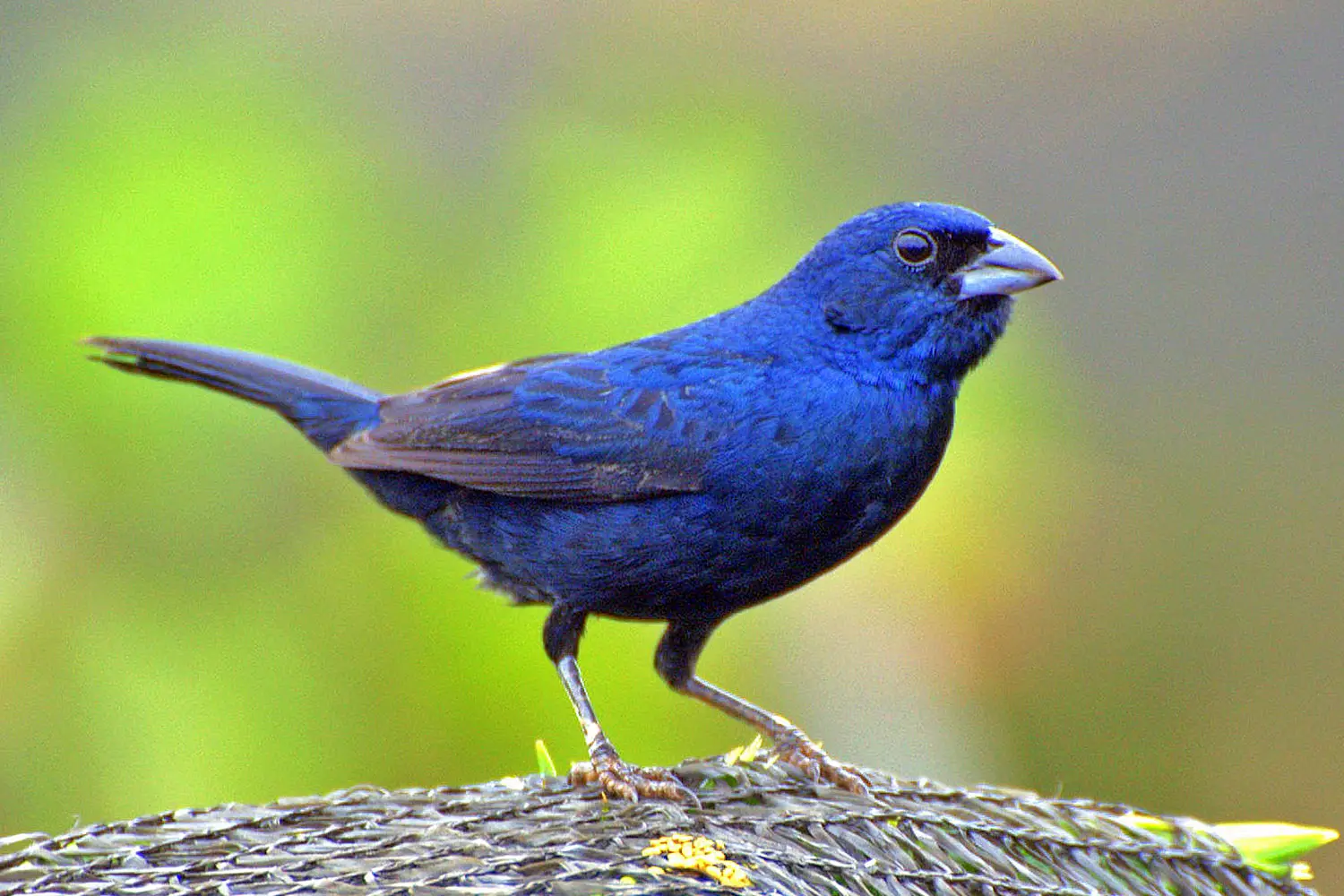
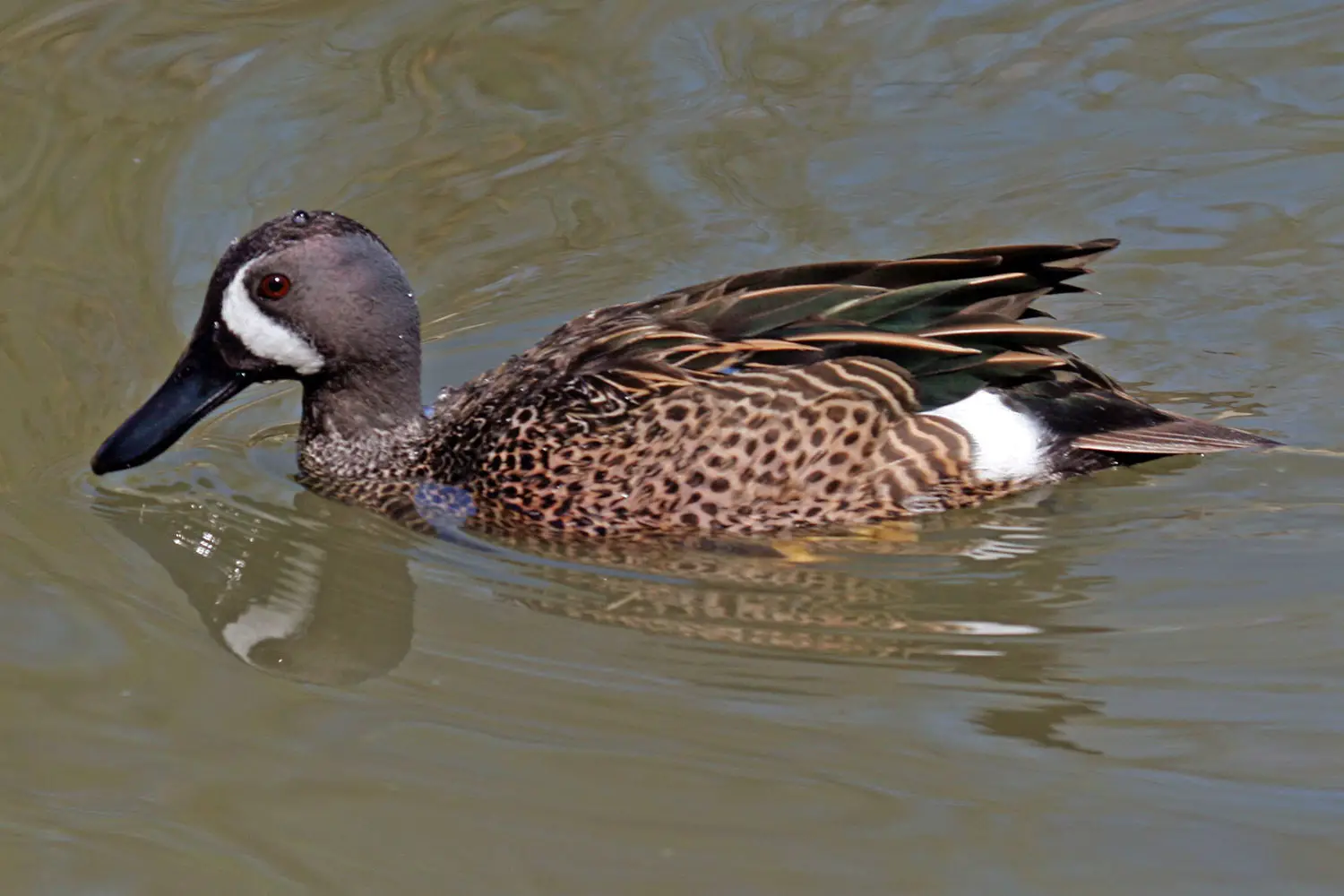
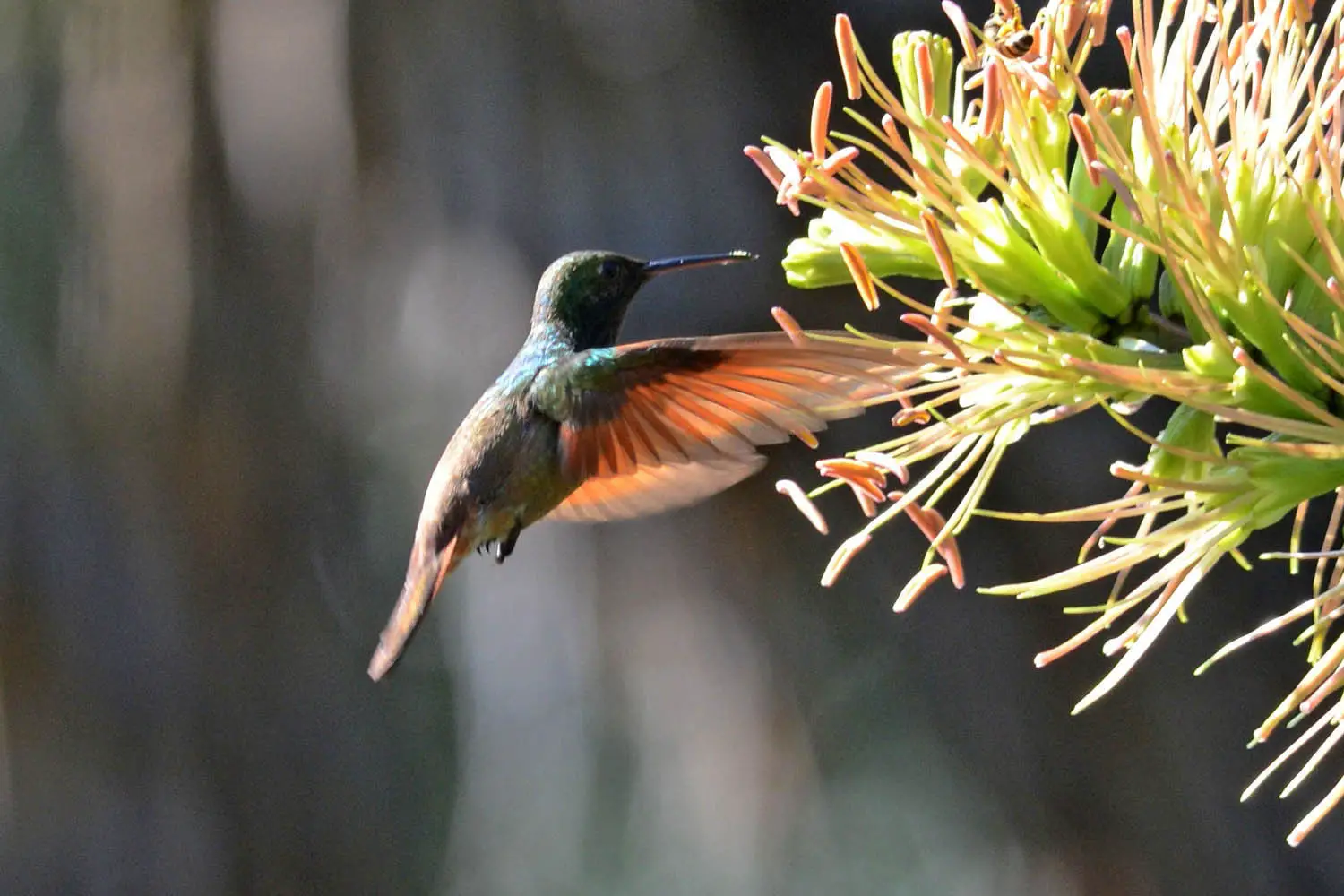
As any tropical location in the world, Puerto Vallarta also offers a large variety of bird and fowl species that include the following (visit the Puerto Vallarta bird watching section too):
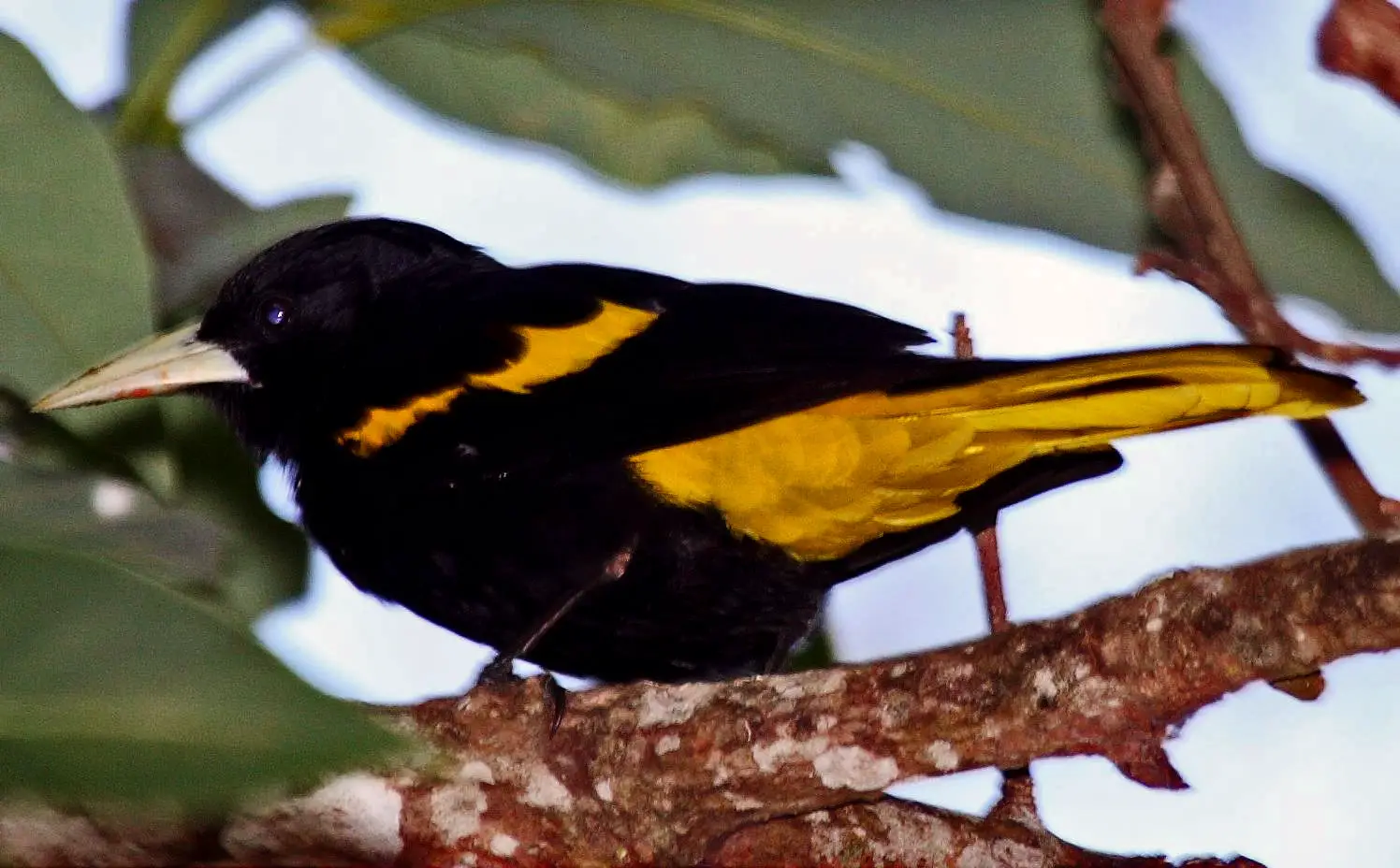
Yellow-winged Cacique (Cacicus melanicterus), native to Mexico, it is quite beautiful and is notable for their bright yellow feathers on their brilliant black bodies, they build bag-like nests that are up to 30” long in the middle or upper branches of trees.
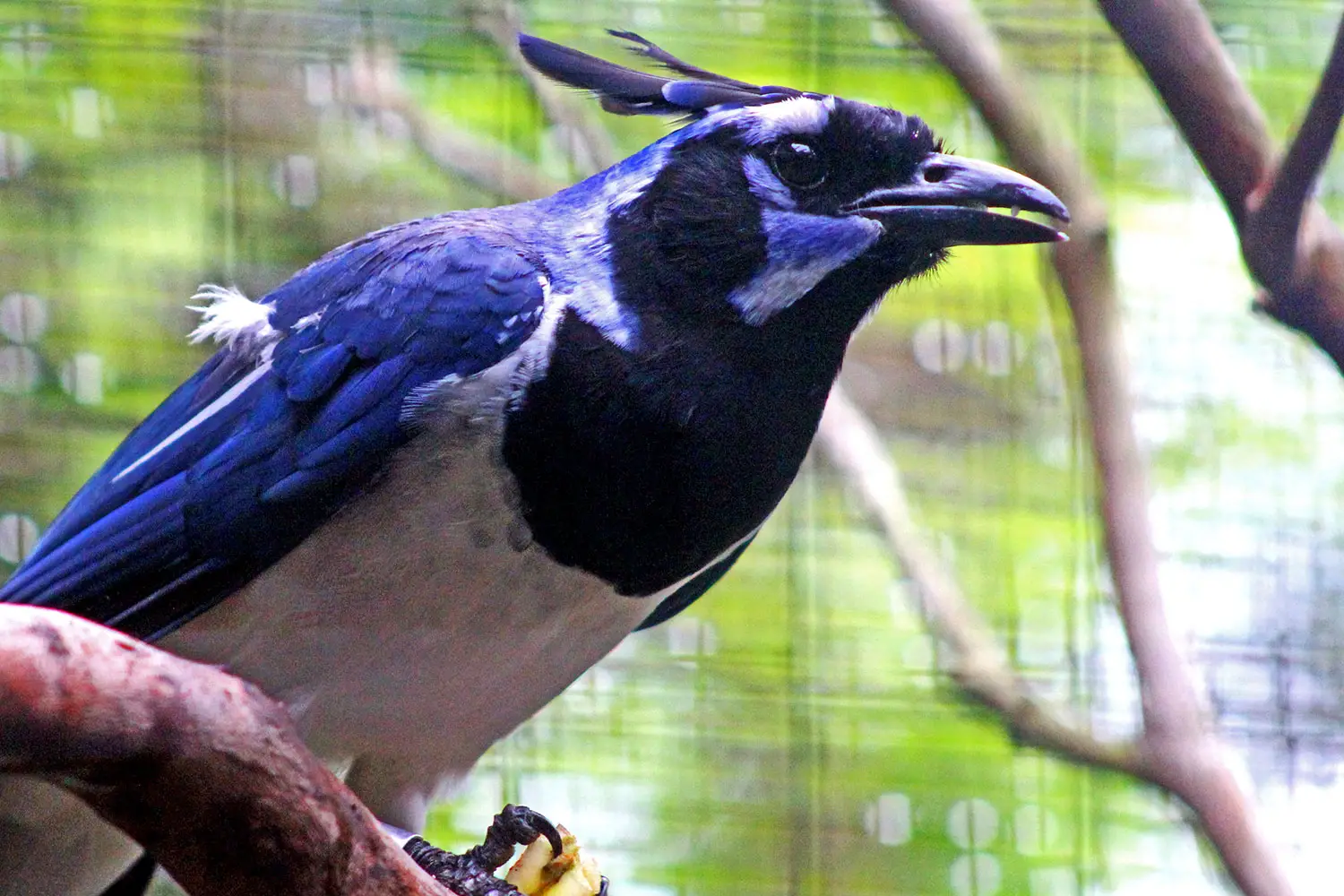
Black-Throated Magpie-Jay (Calocitta colliei) has a long tail and raucous cry is easily spotted in the forests of the Sierra Madre, sports a blue body with a black throat a white chest and blue tail with white tip.
Great Kiskadee (Pitangus sulphuratus), a bird that is 10″; long, has black and white stripes on the crown and the sides of the head, a white throat area, and a bright yellow breast. Their diet includes insects, berries, seeds and small animals it can catch.
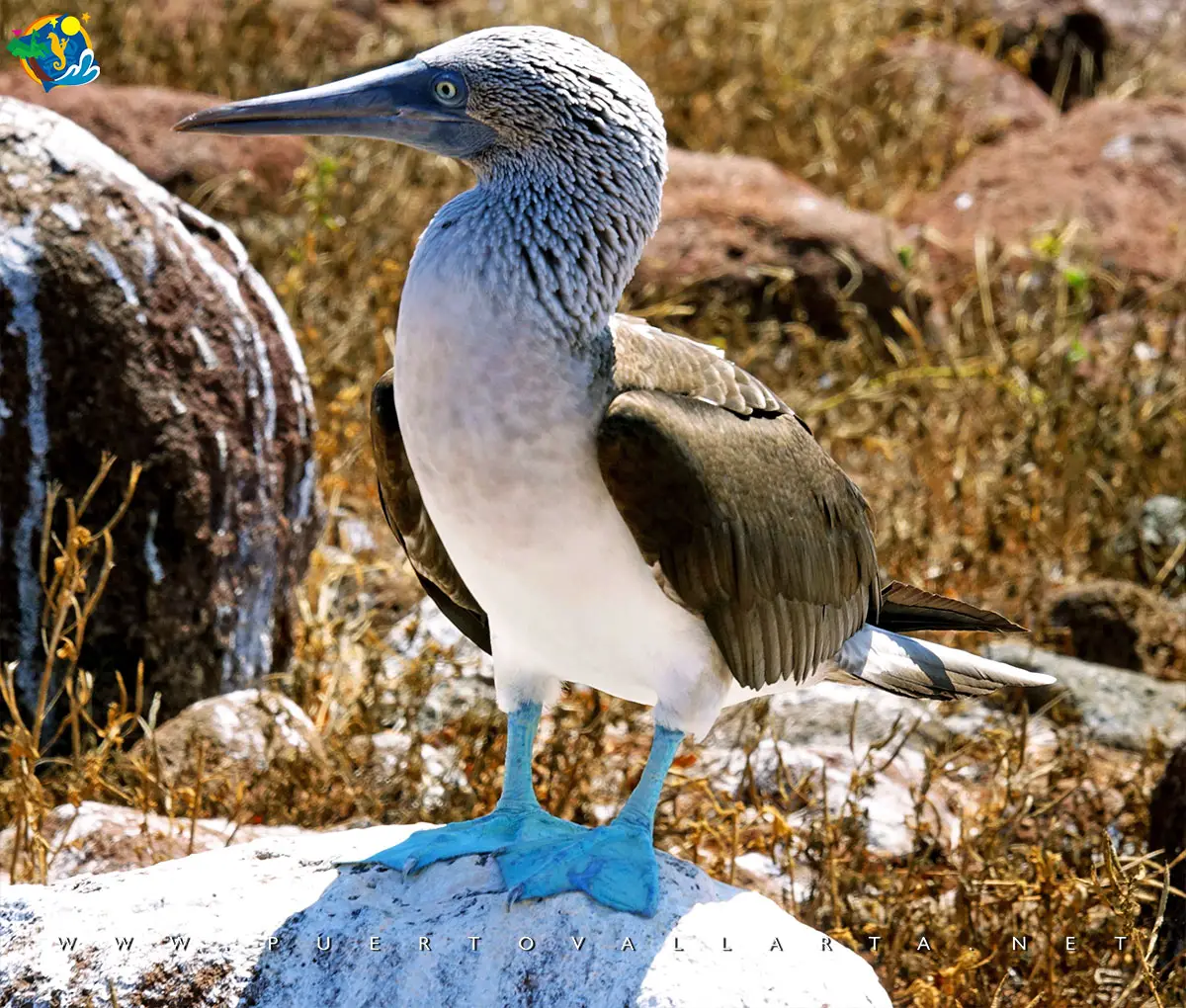
Blue-footed booby (Sula nebouxii), a tropical goose-sized seabird, easily distinguished by its bright blue feet, the name booby derives from the Spanish word “bobo” or foolish, because these birds are quite tame, not showing the normal fleeing response of other birds, plus when they scuttle clumsily around on land they don’t seem very agile either.
The Banderas Bay and the surrounding Pacific Ocean makes Puerto Vallarta a great area for marine diversity. Many very popular species enjoy the protection of the bay and inhabit the area, some of the most conspicuous fish are the blue marlin (Makaira mazara), black marlin (Makaira indica), red snapper (Lutjanus campechanus), sailfish (Istiophorus platypterus), tuna, and sea bass, among others.
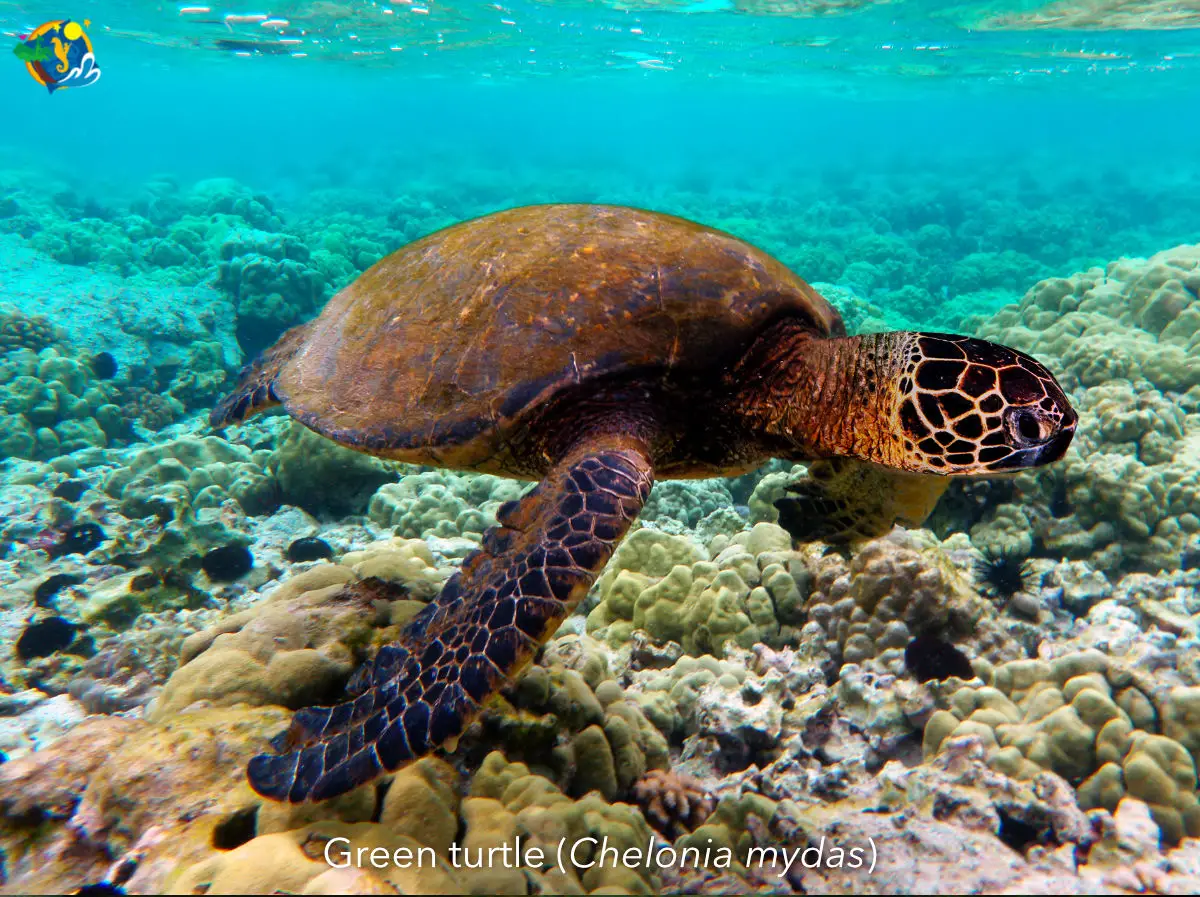
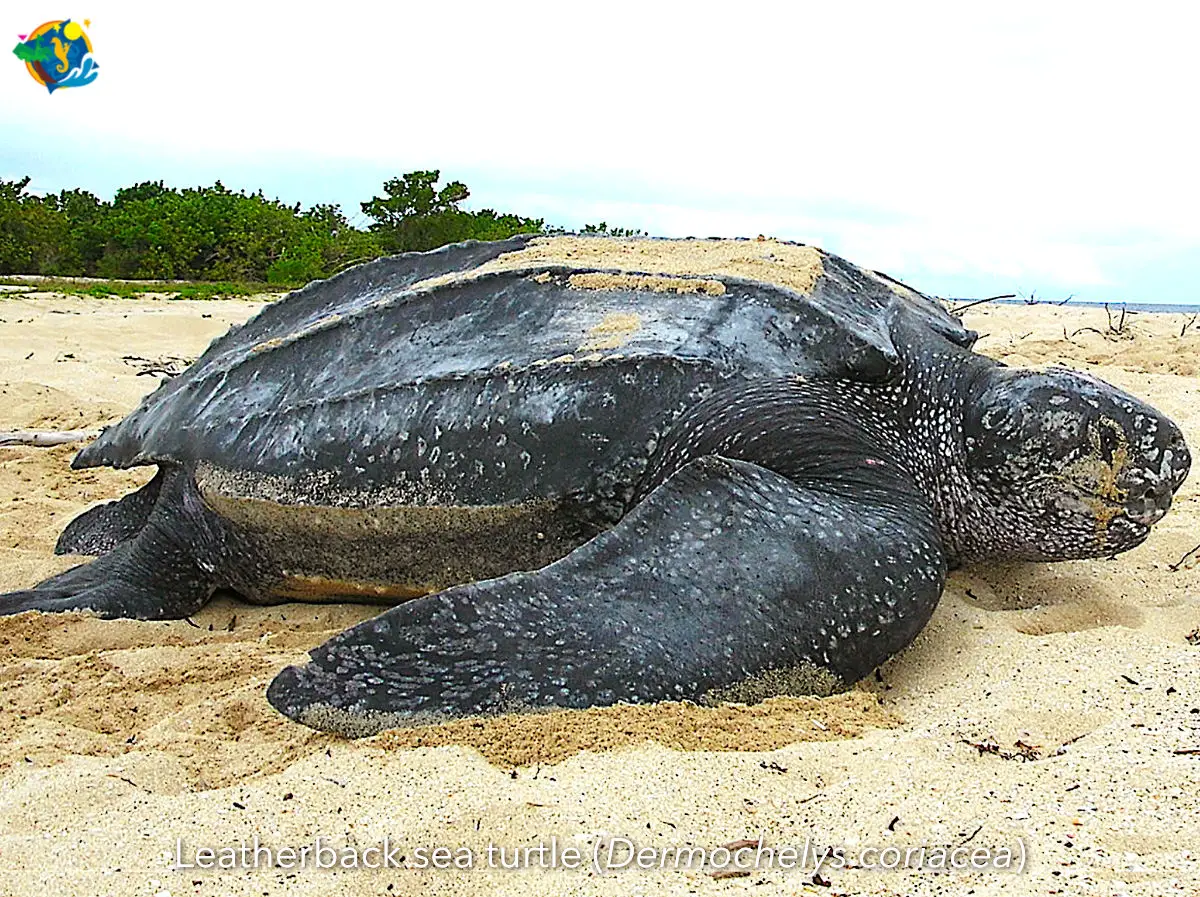
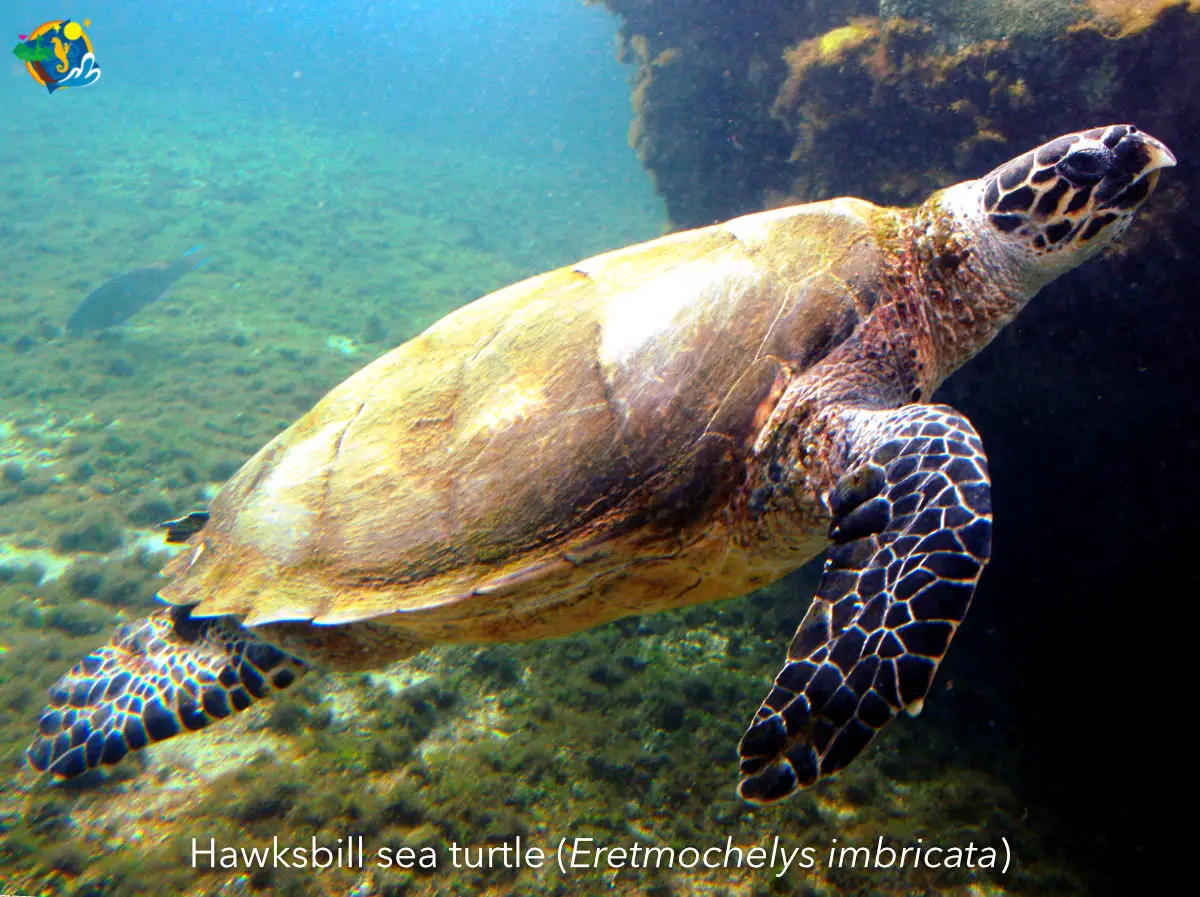
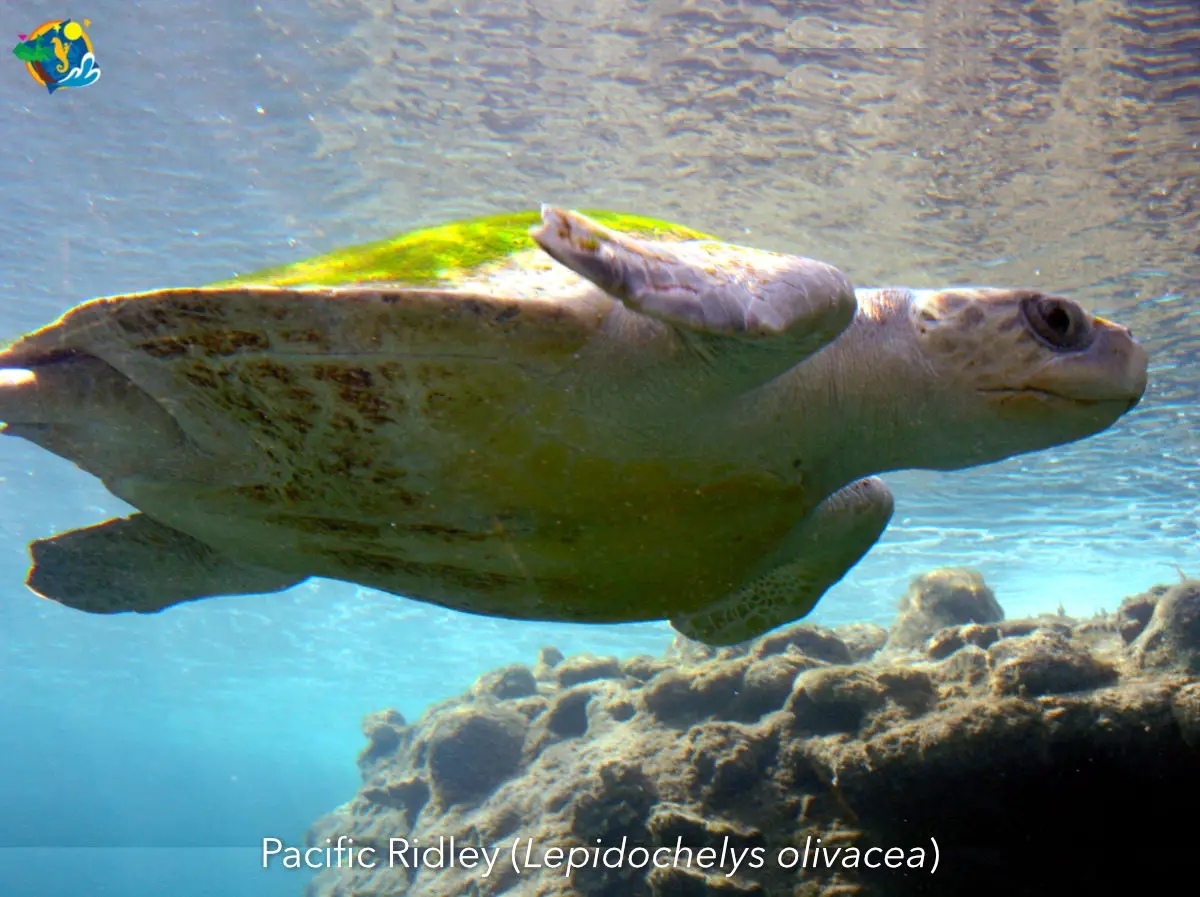
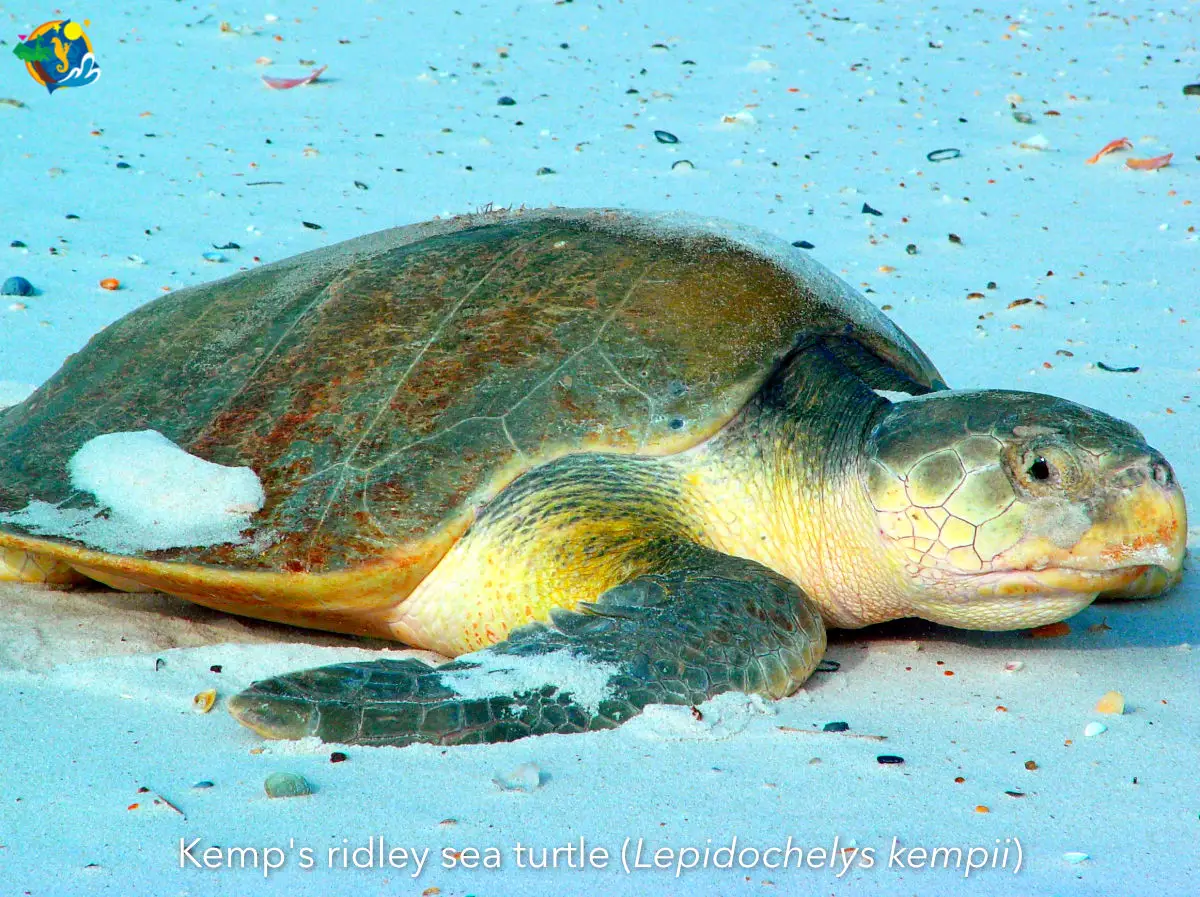
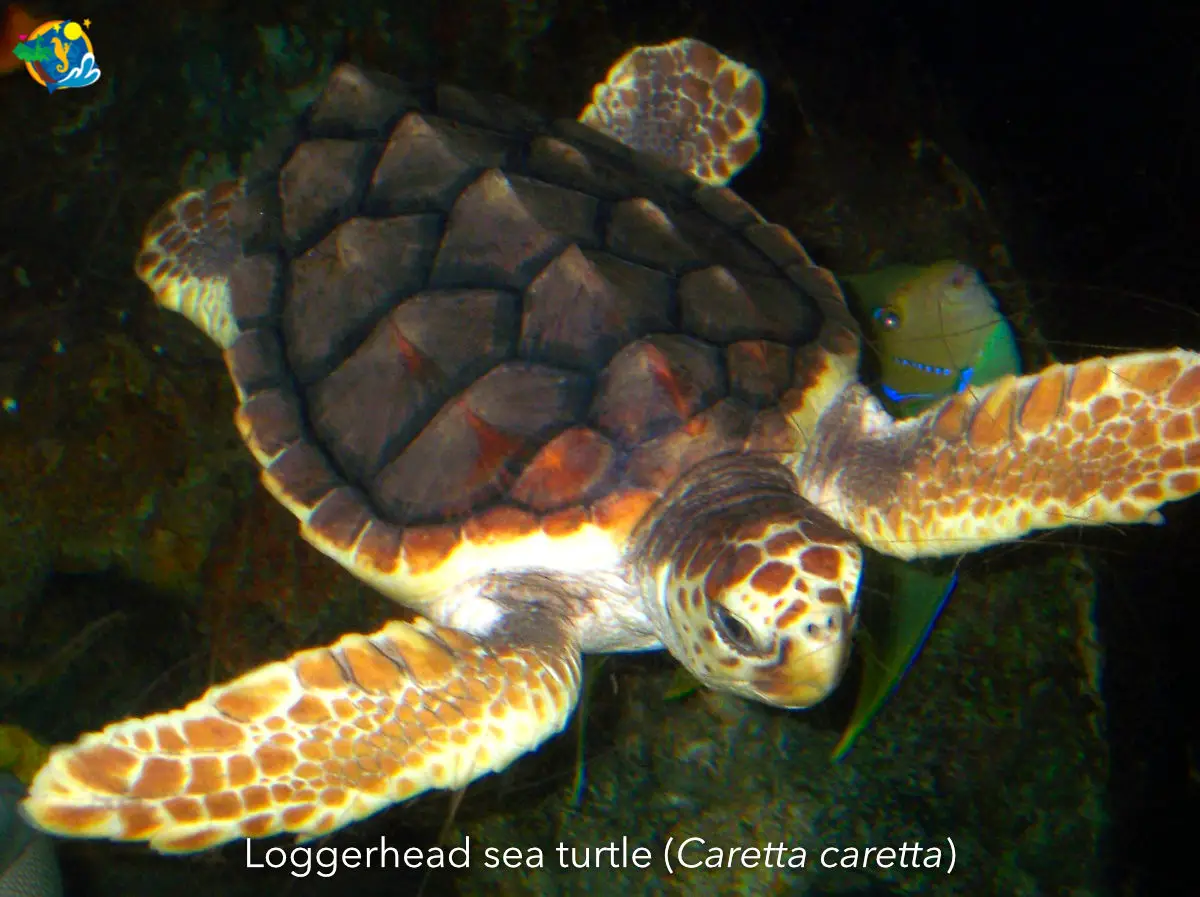
Five species of sea turtles can be found in Puerto Vallarta’s coast, all of them under threat of extinction – local efforts have been applied to help the turtle’s survival and are now part of the local culture and attractions. Sea turtle conservation and release sites have been established from one end of Vallarta’s coastline to the other.
Mexican beaches are breeding grounds for six of the seven marine turtle species [Kemp’s ridley (Lepidochelys kempii), Loggerhead sea turtle (Caretta caretta), Green turtle (Chelonia mydas; Chelonia agassizii), Leatherback sea turtle (Dermochelys coriacea), Hawksbill sea turtle (Eretmochelys imbricata) and Pacific Ridley (Lepidochelys olivacea)]. The common species you’ll see in Puerto Vallarta’s Bay are the Olive Ridley turtle, or “Golfina”. The stylish leatherback, Green Turtle & Hawksbill turtle. All these species arrive on the Puerto Vallarta coasts and beaches.
Various dolphin species are also welcome inhabitants of the Bay of Banderas and among the ones that can be seen frolicking in the water are bottlenose dolphins (Tursiops truncates), spotted dolphins (Stenella attenuate) and spinner dolphins (Stenella longirostris).
Among the bay’s visitors that cause most enjoyment and amazement are the Humpback whales (Megaptera novaeangliae), which return to the area every winter, to enjoy the warm waters from December to April. The whales migrate to three main areas, Banderas Bay, Revillagigedo Islands and Hawaii.
They also visit the waters of the Sea of Cortez, off the east coast of Baja California, but they are only passing through. They stay an average of 3 to 4 months in these locations, at Banderas Bay, the average stay is 11 days, but mothers with newborn calves stay longer.
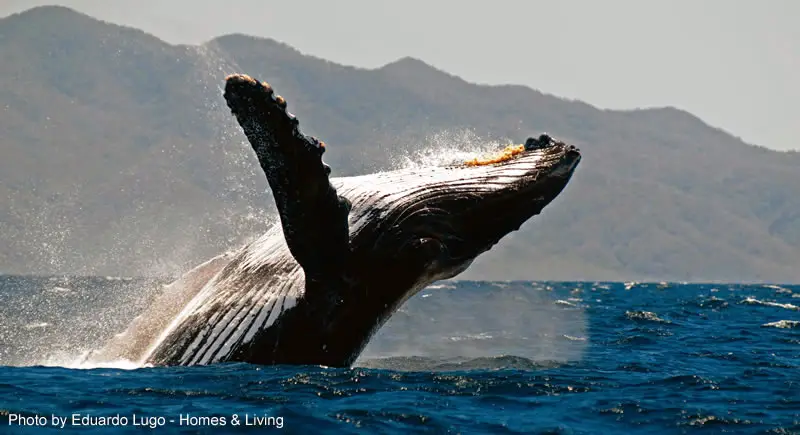
Humpback whales visit Puerto Vallarta (December to April)
Luckily worldwide conscience regarding conservation, the intrinsic value of biodiversity and the enjoyment of pristine nature is also permeating Puerto Vallarta and Mexico in general, not only are turtles the center of attention, but other areas, national parks, marine parks and general conservation efforts will ensure that the area balances both the development aspects with a respect for nature and the rich bounty it offers if it isn’t destroyed or abused.
More information
FAQ

Book tours & support us
- Best prices
- 100% Local Support
- 2 decades+ of experience in Puerto Vallarta
Puerto Vallarta news, tips & content
- New info every two weeks
- Free content, news, videos
- Unsubscribe at any time
Contact us via WhatsApp
- Talk with our reservations expert
- Real local and human support
- Book tours, hotels, transfers, and more.
Last updated on:
Share this article, choose your favorite option!