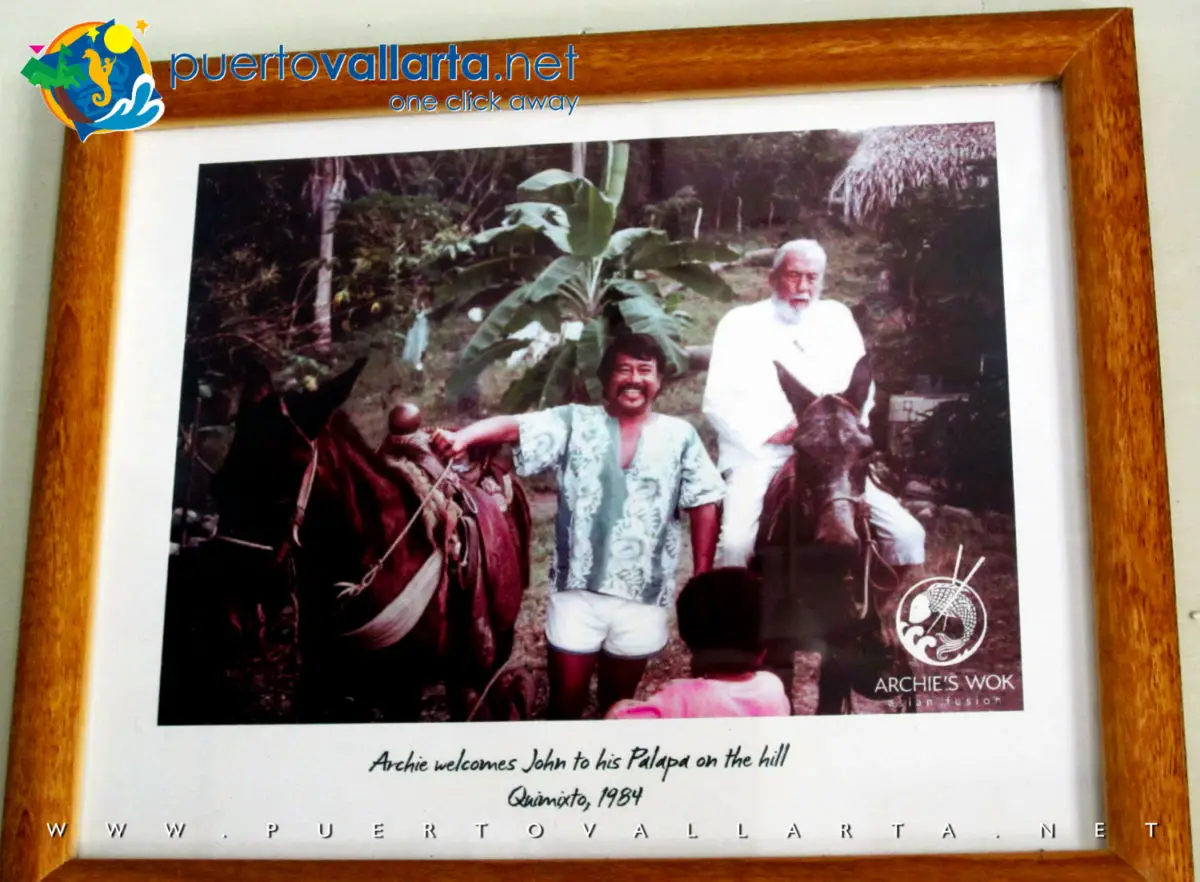
Archie Alpenia and John Huston (Quimixto) in 1984
Start of the adventure
I can still see him there, a serene, solitary Asian man walking the beaches of the Sea of Cortez with his fishing rod in one hand and his wok in the other. He was living his dream.
A few months prior, in the spring of 1976, Archie had decided to leave his position as chef at a well-known Santa Barbara resort, the San Isidro Ranch. He packed his most valued treasures—his wife, son Sergio (7), and daughter Kiyoki (3), favorite fishing equipment, and trusted cooking utensils, starting with his wok, into his Dodge van.
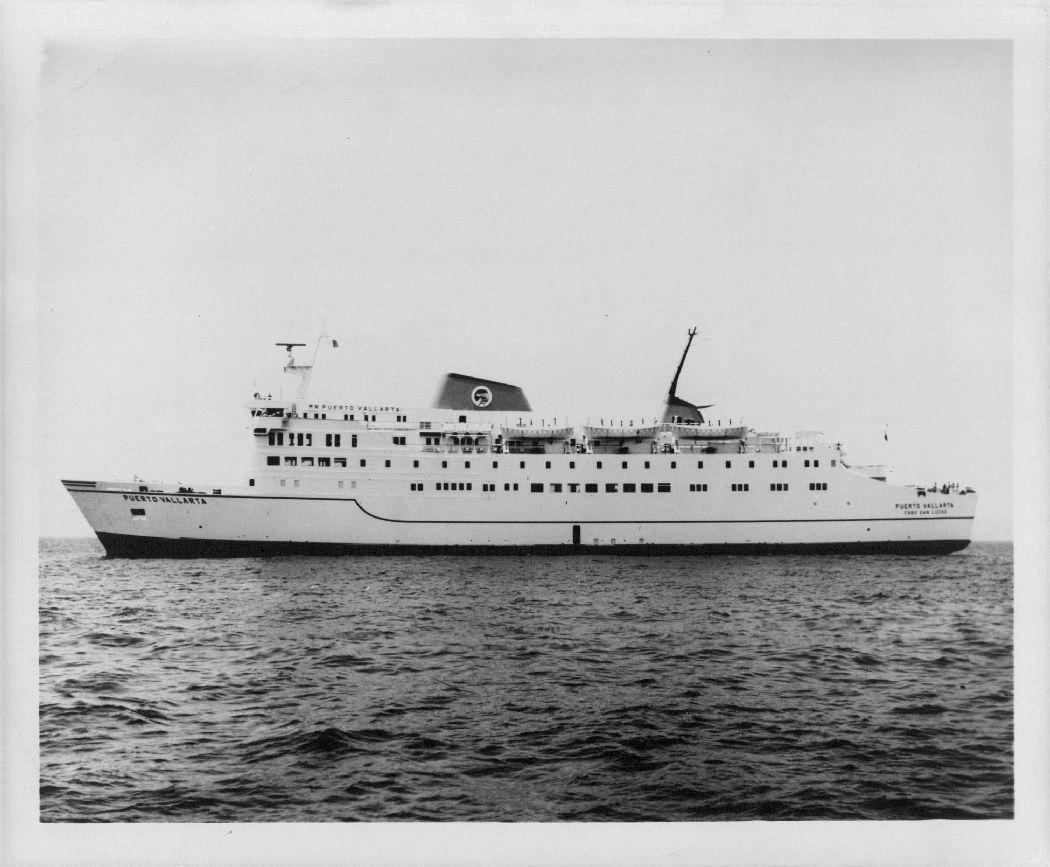
Cabo San Lucas to Puerto Vallarta Ferry, 1975
“And our family headed south under sunny skies into Mexico on a journey of exploration, to “see how the rest of the world is living.”
They traveled with no specific destination in mind and drove down Baja California, Archie would fish and prepare the catch along the way.

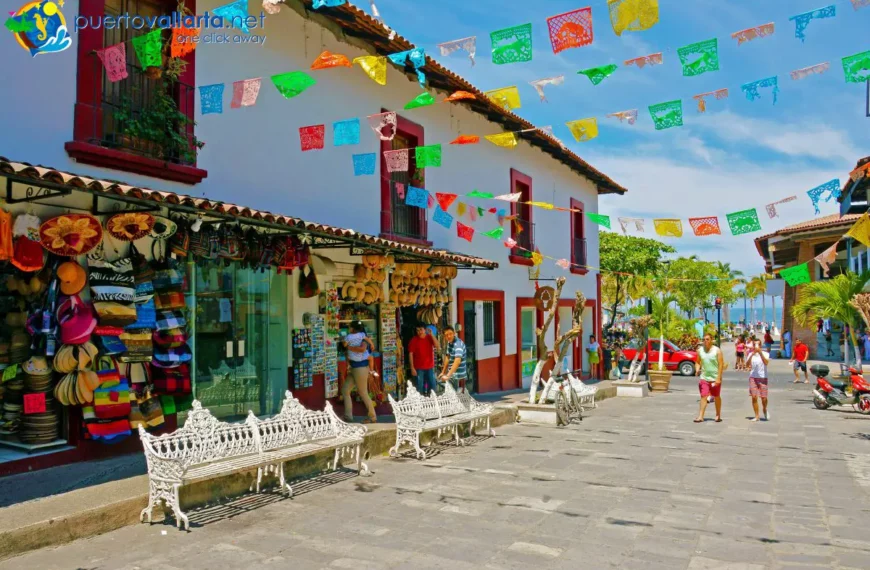
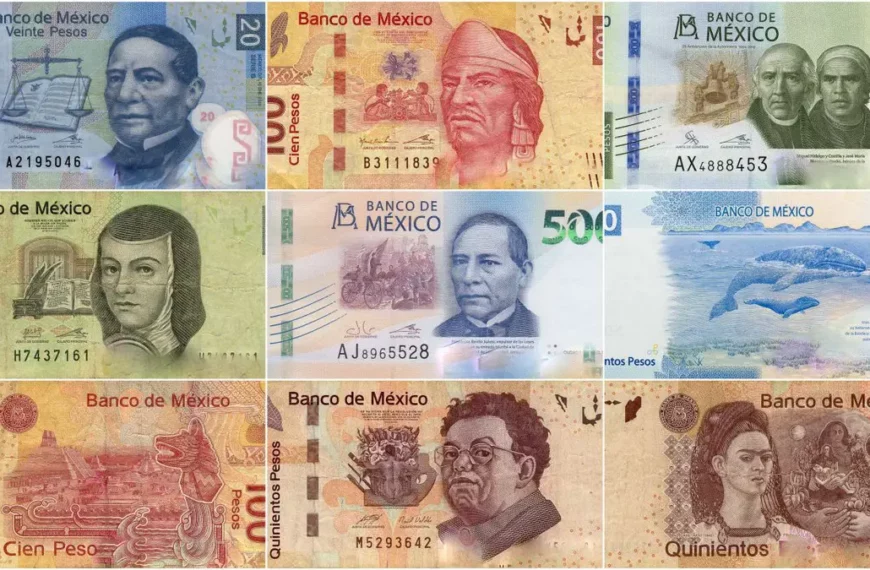
Arriving in Puerto Vallarta
In midsummer, we crossed the Sea of Cortez on the ferry from Baja California to the Mexican mainland and cruised into the small port of a small fishing village called Puerto Vallarta. It was a yawning, somnolent town then, with barely a dream of its future as a highly prized tourist destination. Community life centered around the plaza near the small city jail, where the Presidencia now stands.
The Malecon was lined with an assortment of family-owned hardware and dry goods stores supplying the local fishing and agricultural industries, with a restaurant or two in between them. There were few cars, no traffic signals, and telephones were a rare luxury, although news always rippled quickly through the closely-knit community.
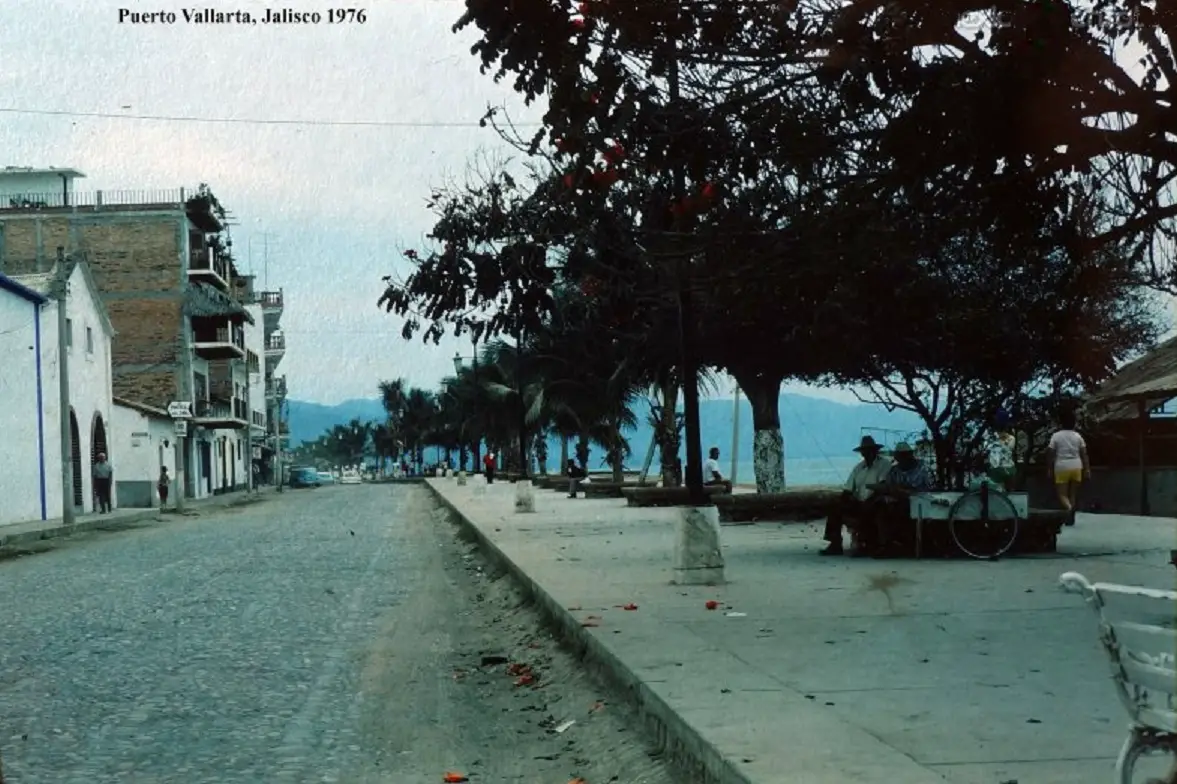
Malecon Puerto Vallarta by Allende Street 1976
Staying in Quimixto
Deciding to hold over through the stormy, unpredictable “tiempo de Iluvias”, the tropical rainy season, we ventured by boat to Quimixto, a tiny remote fishing village of about 15 native families, where we were able to rent a small casita on the beach (they lived there for 8 years). There Archie would reap unusual delectable, from the ocean every day, and his culinary skills were dedicated to preparing the daily catch in appealing ways with little variety of ingredients.
There were–and still are–no roads to the local market: most cooking ingredients were derived from our small garden, and from native edible plants from the jungle. On an occasional boat trip to Vallarta, we would supply ourselves with the limited standard ingredients used by the locals— ajo, cebolla, jitomate, cilantro, and a variety of potent chiles.
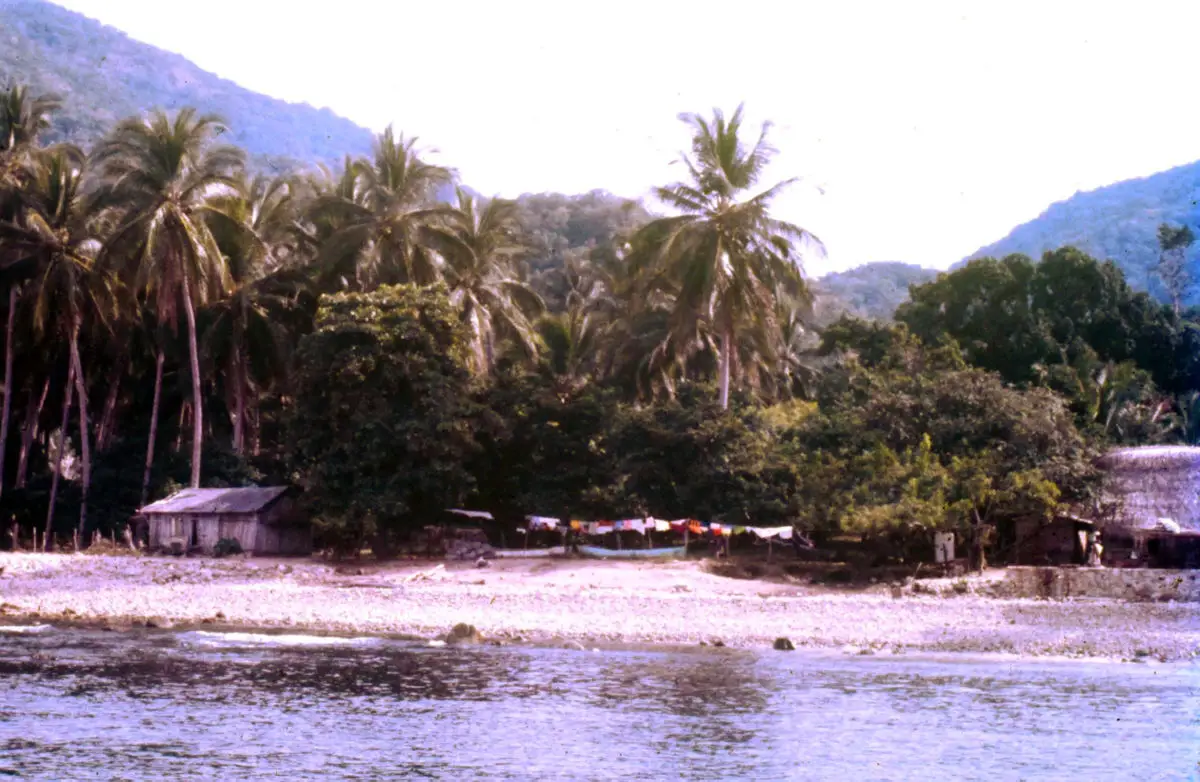
Quimixto in the 1970s
Von Rohr’s enter the scene
One steamy morning a small boat pulled up on the beach carrying another “foreign” family, the Von Rohrs, who had homesteaded a couple of coves south in Majahuitas. Our shared taste for adventure soon bonded us in a lifetime friendship. Archie was especially attracted to their expansive 2-acre orchard and vegetable garden, a magnificent spread carved out of the jungle, with horticulture reminiscent of the north. Cathy Von Rohr’s two paintings, “The Path to John’s”, and “Waterfall at Quimixto”, on exhibition at Archie’s Wok, evoke nostalgia for those times.
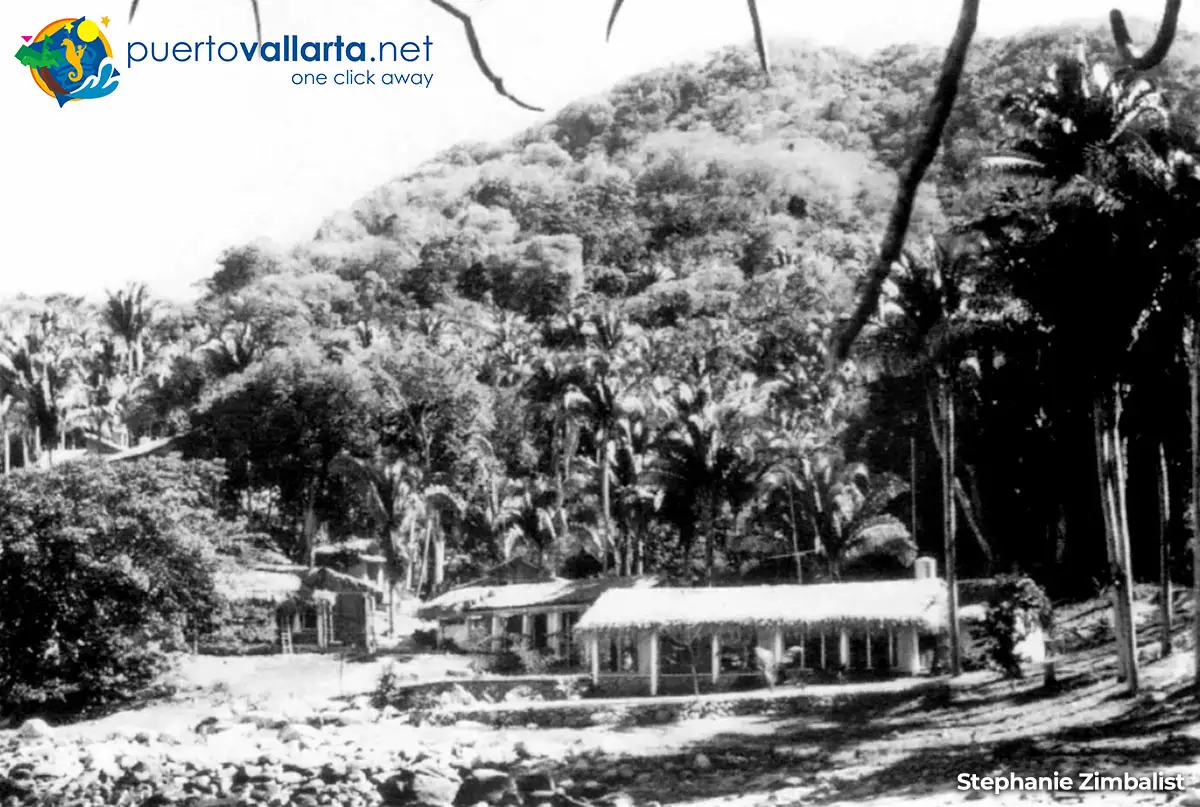
Las Caletas in the 1970s when John Huston lived there
Von was overseeing the construction of Playa Caletas, which was to become film director John Huston‘s retirement hideaway at this small crystalline cove between Quimixto and Majahuitas. John, the epicure, would need a chef out there in the jungle, and Von conjured a perfect match when he introduced John to Archie.
Time for John Huston
John asked Archie to cater his poker parties held at Elizabeth Taylor’s home in Gringo Gulch, which soon led to Archie’s becoming chef at Playa Caletas.
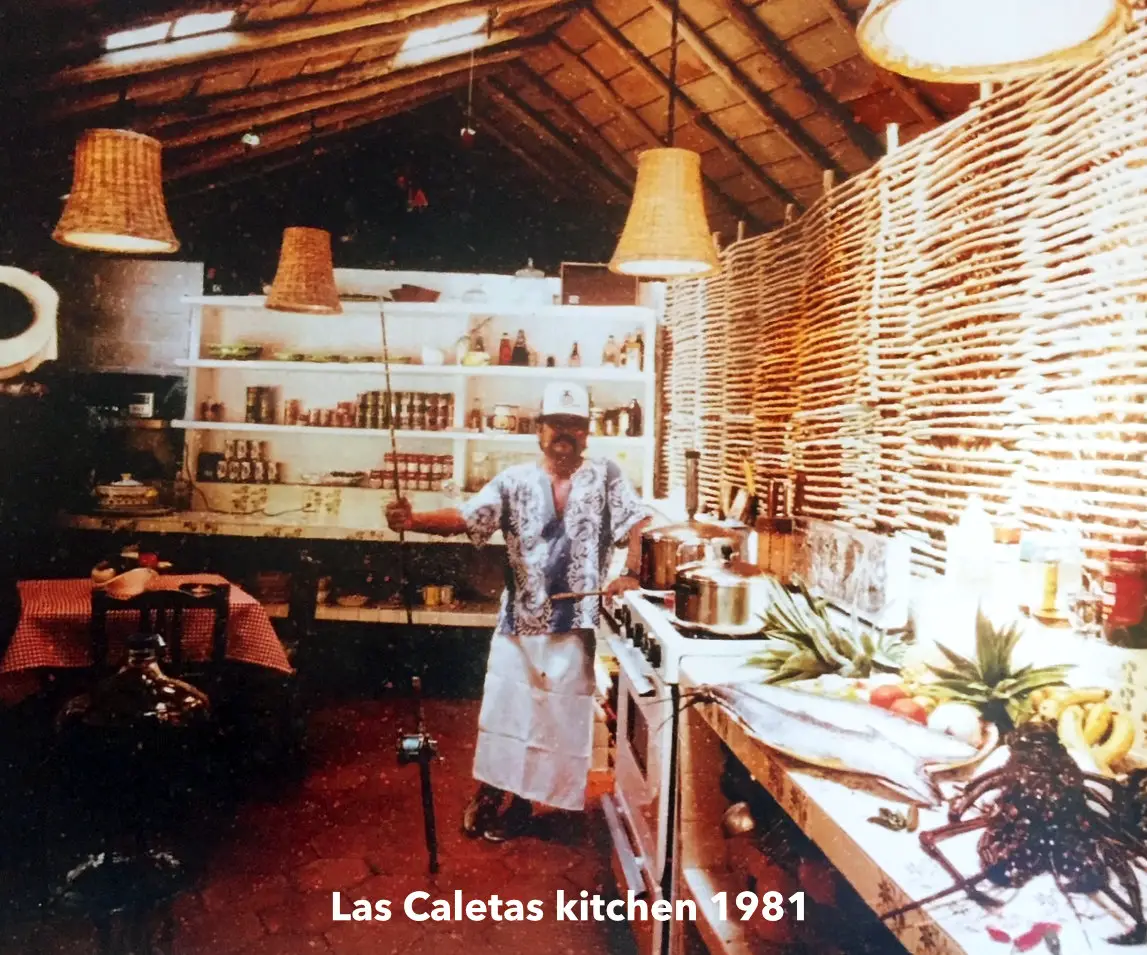
Archie in John Huston’s kitchen at Las Caletas
There, in that remote cove where the sea lapped up to salt the jungle, Archie prepared a table for the full spectrum of humanity entertained by John: the occasional indigena bringing him an ocelot or coatimundi from the mountains… Mexican entertainers including the great Lola Beltrán… his eclectic family… Hollywood friends and film collaborators… Mexican filmmakers … French winemakers… English nobility.
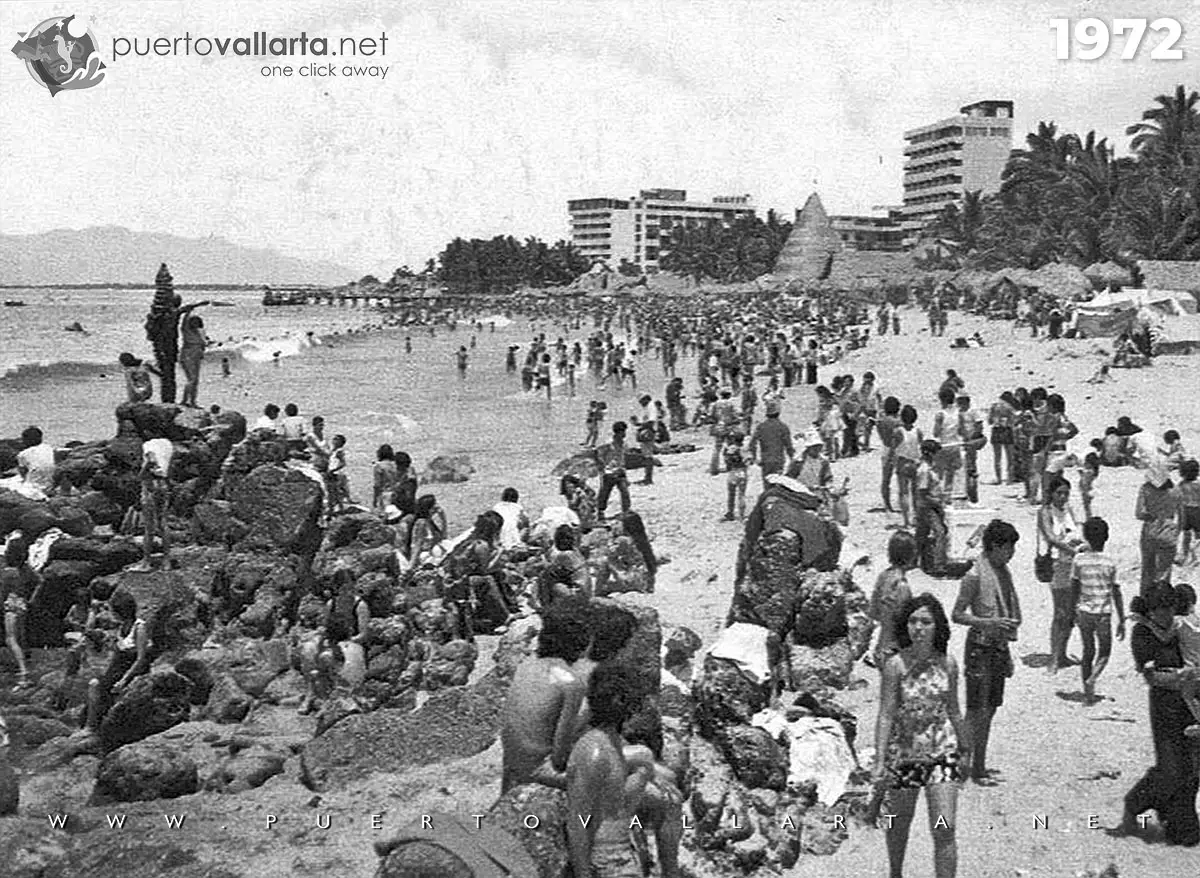
Los Muertos Beach 1970s, Puerto Vallarta
At the end of the day, Archie would relax in his hammock at our new palapa home high on the hill in Quimixto as the sun set over the Bay of Banderas, and another dream began to brew, a restaurant dream, with aromas of his favorite Asian cuisine. In the mid 80’s John was forced by declining health to spend less time at Playa Las Caletas, and eventually, he returned permanently to the U.S.
The New Dream
Then, inspired by his new dream, Archie scouted out a location comfortably near the beach in the Zona Romantica, and in 1986 we opened the doors at Archie’s Wok, a small Asian eatery, and one of a handful of foreign-run restaurants. It was all quite experimental, serving Asian cuisine in what was then a quiet and unsophisticated neighborhood, but Archie had always claimed that the most valuable lessons were learned in “the school of hard knocks.”
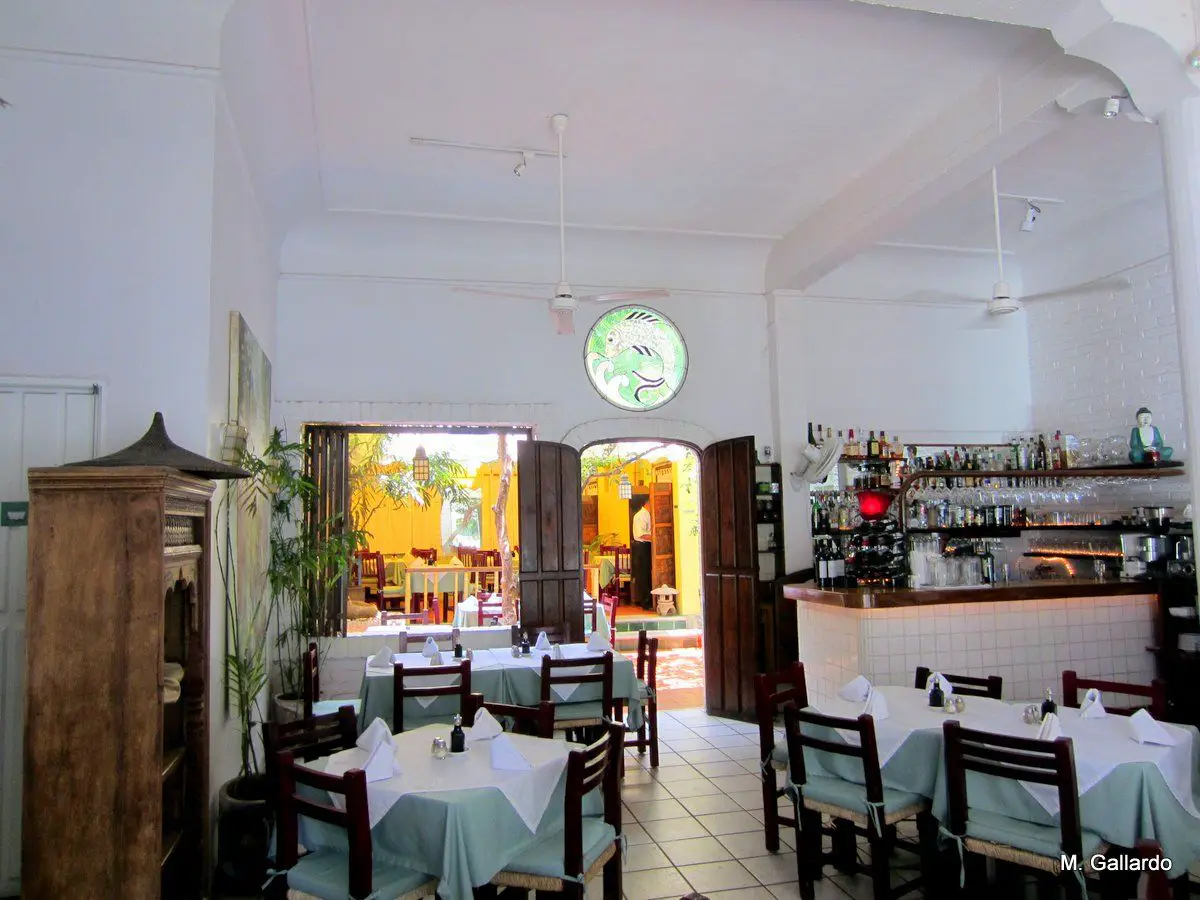
Archie’s Wok Restaurant, Puerto Vallarta
The knocks came, in a wide variety, the most serious being Archie’s passing in April of 1993. Suddenly we felt hurled into an unforetold future in which Archie would not participate. Physically, anyway. I think the familiar aromas occasionally draw him in to observe and supervise. His grace with a knife shows magically in Sergio’s deft hand. His warm hospitality is felt in Kiyoki’s glowing smile. His uncomplicated business philosophy… “Remember, Archie’s Wok is a family restaurant, always, and the whole world is our family.”
Gracias Archie, for guiding us in our evolution.

“Having feasted around the globe, I can appreciate this wizardry.
John Huston to Archie at Playa Las Caletas 1981
You bring the Orient, indeed the world,
to my table in the middle of the Mexican jungle.
Marvelous flavours – I applaud you Archie!”
Archie’s Wok Restaurant’s location, Romantic Zone, Puerto Vallarta
FAQ
- What is the safest part of Puerto Vallarta to stay in?
The Marina and the Romantic Zone are considered some of the safest areas to stay in Puerto Vallarta. Both areas are popular among tourists and offer a variety of accommodations, restaurants, and attractions. The Marina is known for its upscale atmosphere, luxury resorts, and high-end shops and restaurants. It has a very secure, controlled environment with 24/7 security personnel. The Romantic Zone offers a more authentic Mexican experience with cobblestone streets, colorful colonial buildings, and a vibrant mix of galleries, cafes, and bars. As a central tourist area, it also has a strong police presence and is considered very safe.
- Where do locals go in Puerto Vallarta?
Locals in Puerto Vallarta enjoy spending time at the city’s beautiful beaches, scenic parks, and lively local markets. Popular beach spots include Playa de Oro, Playa Las Animas, and Playa Camarones for their soft sand and calm waters. Many locals visit the Vallarta Botanical Gardens to enjoy the lush vegetation and hiking trails. They also frequent authentic local food venues like Birrieria las 3 Regiones taco stand, cafes like Cafecito Vallarta, and neighborhood bars like La Cerveceria Union. The downtown Lazaro Cardenas market is a favorite for produce, spices, crafts.
- Is Downtown Puerto Vallarta nice?
Yes, downtown Puerto Vallarta is an exceptionally nice and popular area, celebrated for its vibrant mix of historic Mexican charm and a lively beach town atmosphere. It features a picturesque historic center with cobblestone streets, colorful buildings, and the iconic Parish of Our Lady of Guadalupe church. The downtown seamlessly blends into the scenic Malecón, a beautiful oceanfront boardwalk lined with fascinating sculptures, shops, and restaurants, making it perfect for strolling and enjoying the stunning ocean views.
The area offers an excellent variety of dining, from upscale restaurants to authentic street food, along with fantastic shopping in boutiques and art galleries. Adjacent to the main center is the popular Zona Romántica (Romantic Zone), known for its trendy vibe and energetic nightlife. The entire downtown is considered safe and is very walkable, allowing visitors to easily explore its captivating blend of culture, cuisine, and coastal beauty on foot.
Tip: For an unforgettable experience, head down to the Malecón or any beachfront spot about 30 minutes before the scheduled sundown to watch the spectacular sunset over the bay.
- What is considered old town in Puerto Vallarta?
Old Town, also known as the Romantic Zone or Zona Romántica, is considered the historic heart of Puerto Vallarta. It is characterized by its picturesque cobblestone streets, classic whitewashed buildings, red-tiled roofs, and a lively mix of shops, galleries, restaurants and bars. Nestled between the Sierra Madre mountains and Banderas Bay, Old Town has a traditional Mexican village charm with its colonial architecture and slower pace compared to the rest of Puerto Vallarta. Its romantic ambience comes from the area’s natural beauty, outdoor cafes, and charming boutique hotels. Old Town offers visitors a taste of an authentic Mexican neighborhood.

Book tours & support us
- Best prices
- 100% Local Support
- 2 decades+ of experience in Puerto Vallarta

Puerto Vallarta news, tips & content
- New info every two weeks
- Free content, news, videos
- Unsubscribe at any time

Contact us via WhatsApp
- Talk with our reservations expert
- Real local and human support
- Book tours, hotels, transfers, and more.
Last updated on:
Share this article, choose your favorite option!