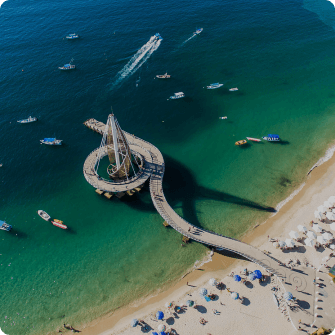
Mexico, heir to two great cultures (Mexican Flag)
Summary
- Mexico is a country with a rich cultural heritage and history that spans more than three millennia.
- Before the Spanish conquest, Mexico was inhabited by many indigenous civilizations, each with their own languages and traditions.
- The Aztecs established a great empire in Mexico, which was equaled in the New World only by that of the Incas of Peru.
- The combination of indigenous and Hispanic cultures over hundreds of years has resulted in much of the unique Mexican culture that exists today.
- Mexico ranks first in the Americas and seventh in the world for the number of UNESCO World Heritage Sites, making it a major tourist destination.
- Mexico’s rich cultural and biological heritage, as well as varied climate and geography, make it a fascinating and diverse country to explore.


The heirs of great civilizations like the Aztecs, Mayas, and Olmecs bequeathed us a magical world, a mystical relationship with nature and fascinating history. Combine this with the culture of the European conquerors, and it will result in one single civilization.
Both cultures led to the result of a mixture in our country of a very ample diversity and wealth that can be appreciated in the majority of our festivities.
Our Mexican festivities reflect that we are a mestizo race where natives and Spaniards not only mixed their genes, religion and food but in addition also created an extensive calendar of festivities.

Cathedral and Kiosk of Guadalajara Jalisco Mexico
At present, there are national and regional festivities but the ones most deeply rooted are of a religious character. If all of them are tallied up, the total, according to the “general office of popular cultures,” comes to more than 10 thousand, 5083 of which are religious. Civic festivities commemorate historical events; battles won and heroes of the motherland.

Voladores de Papantla, Mexico
The most important festivities in Mexico are Independence Day, celebrated on September 16th and Patron’s Day, which honors the local patron saint. Both enjoyed at the main square of each town, with dances and mariachi music, framed by the traditional multicolored lights of the fireworks.
Despite the different regionalisms existing in Mexico, three symbols stand out that identify us in the world:
The Mexican cowboy called charro, tequila and mariachis.
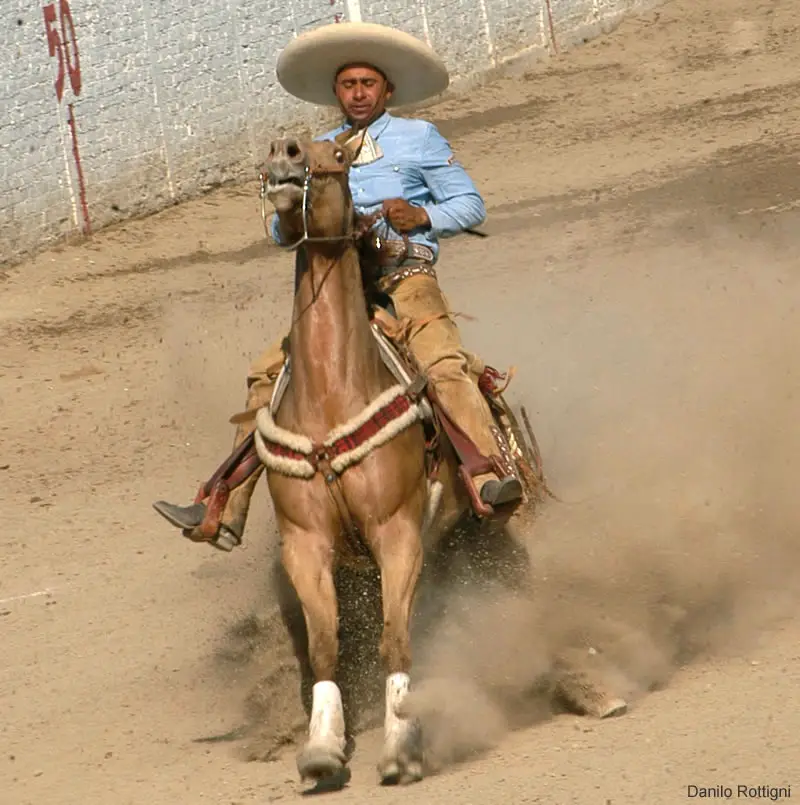
A charro is a full-dressed Mexican horseman. He is noble and courageous; he may brandish a machete or a gun, he carries out hard ranch work and feats of skill with his rope. This Mexican-type rodeo is considered our national sport.

Harvesting the Blue Agave, Tequila, Jalisco, Mexico
Among the Aztecs, tequila was consumed only by leaders and priests during religious events and holidays. The legend goes that it was discovered when lightning hit an agave plant. The blow broke off the heart of the plant, and the lightning heat made it boil for a few seconds. The natives were stunned and noticed that an aromatic nectar come up from the inside which they drank with fear and reverence as it was a miraculous gift from their Gods. When the Spaniards arrived, Moctezuma II offered Hernan Cortes, whom he believed to be Quetzalcoatl, a banquet with tequila.
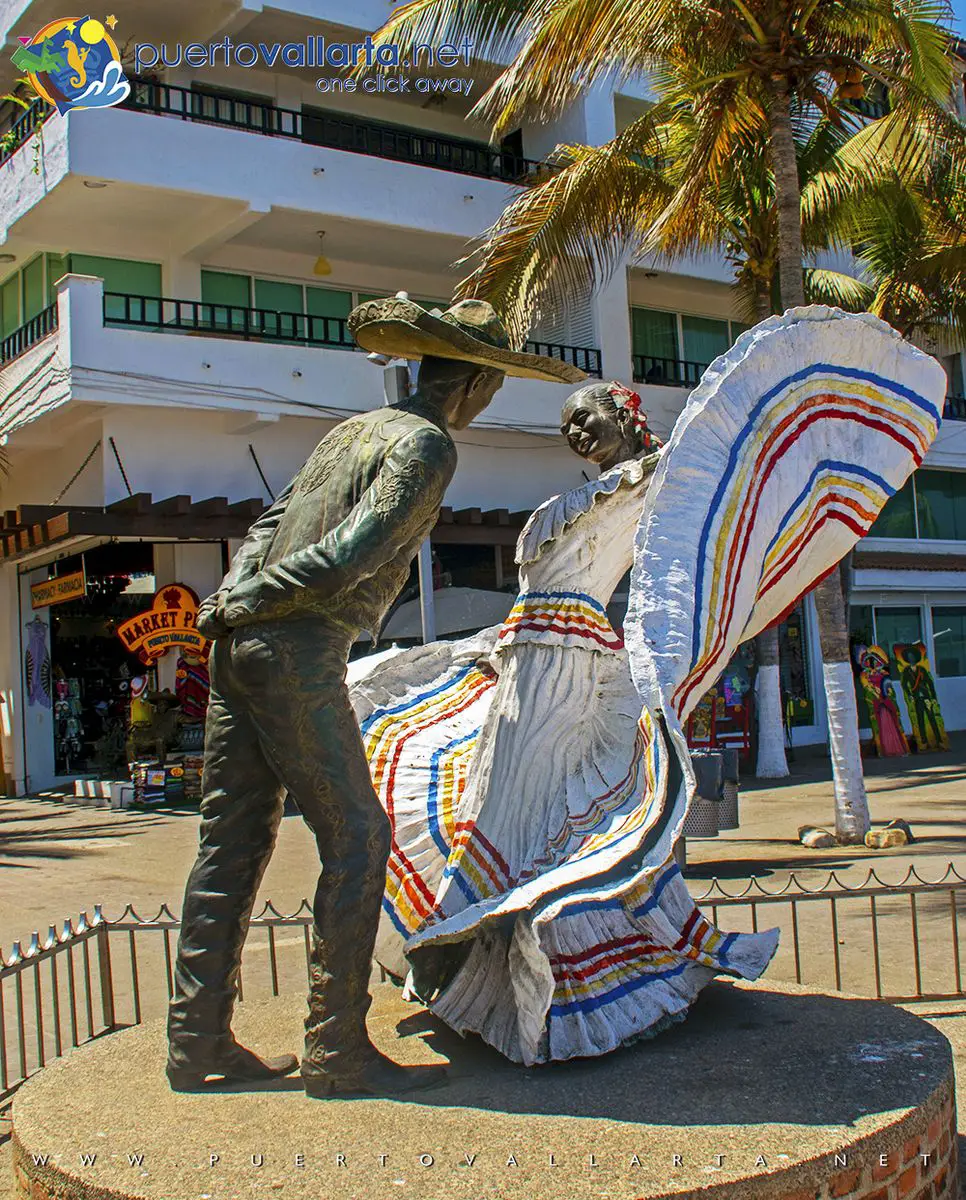
(Vallarta Dancers) Mariachi Monument on the Vallarta Malecon
The mariachi is the most genuine expression of traditional Mexican music, its sounds and songs reflect the passion of the Mexican people. Together with charros and tequila, they are the vivid expression of mixed-raced Mexico, and they are always present at all major events.

Mexico has millennia or tradition and heritage
They are a way to maintain our cultural and social ties, they are acts that bring families together, and at the same time, they reflect the joy, spirit, and flavor of the Mexican people. You can enjoy these celebrations throughout the year across the whole country.
Experience Mexico’s traditions!
FAQ
- What is the safest part of Puerto Vallarta to stay in?
The Marina and the Romantic Zone are considered some of the safest areas to stay in Puerto Vallarta. Both areas are popular among tourists and offer a variety of accommodations, restaurants, and attractions. The Marina is known for its upscale atmosphere, luxury resorts, and high-end shops and restaurants. It has a very secure, controlled environment with 24/7 security personnel. The Romantic Zone offers a more authentic Mexican experience with cobblestone streets, colorful colonial buildings, and a vibrant mix of galleries, cafes, and bars. As a central tourist area, it also has a strong police presence and is considered very safe.
- Where do locals go in Puerto Vallarta?
Locals in Puerto Vallarta enjoy spending time at the city’s beautiful beaches, scenic parks, and lively local markets. Popular beach spots include Playa de Oro, Playa Las Animas, and Playa Camarones for their soft sand and calm waters. Many locals visit the Vallarta Botanical Gardens to enjoy the lush vegetation and hiking trails. They also frequent authentic local food venues like Birrieria las 3 Regiones taco stand, cafes like Cafecito Vallarta, and neighborhood bars like La Cerveceria Union. The downtown Lazaro Cardenas market is a favorite for produce, spices, crafts.
- Is Downtown Puerto Vallarta nice?
Yes, downtown Puerto Vallarta is an exceptionally nice and popular area, celebrated for its vibrant mix of historic Mexican charm and a lively beach town atmosphere. It features a picturesque historic center with cobblestone streets, colorful buildings, and the iconic Parish of Our Lady of Guadalupe church. The downtown seamlessly blends into the scenic Malecón, a beautiful oceanfront boardwalk lined with fascinating sculptures, shops, and restaurants, making it perfect for strolling and enjoying the stunning ocean views.
The area offers an excellent variety of dining, from upscale restaurants to authentic street food, along with fantastic shopping in boutiques and art galleries. Adjacent to the main center is the popular Zona Romántica (Romantic Zone), known for its trendy vibe and energetic nightlife. The entire downtown is considered safe and is very walkable, allowing visitors to easily explore its captivating blend of culture, cuisine, and coastal beauty on foot.
Tip: For an unforgettable experience, head down to the Malecón or any beachfront spot about 30 minutes before the scheduled sundown to watch the spectacular sunset over the bay.
- What is considered old town in Puerto Vallarta?
Old Town, also known as the Romantic Zone or Zona Romántica, is considered the historic heart of Puerto Vallarta. It is characterized by its picturesque cobblestone streets, classic whitewashed buildings, red-tiled roofs, and a lively mix of shops, galleries, restaurants and bars. Nestled between the Sierra Madre mountains and Banderas Bay, Old Town has a traditional Mexican village charm with its colonial architecture and slower pace compared to the rest of Puerto Vallarta. Its romantic ambience comes from the area’s natural beauty, outdoor cafes, and charming boutique hotels. Old Town offers visitors a taste of an authentic Mexican neighborhood.

Book tours & support us
- Best prices
- 100% Local Support
- 2 decades+ of experience in Puerto Vallarta

Puerto Vallarta news, tips & content
- New info every two weeks
- Free content, news, videos
- Unsubscribe at any time

Contact us via WhatsApp
- Talk with our reservations expert
- Real local and human support
- Book tours, hotels, transfers, and more.
Last updated on:
Share this article, choose your favorite option!