Summary
- Dia de Reyes commemorates the visit of the Magi to the baby Jesus, bringing him gifts of gold, frankincense, and myrrh.
- The tradition says that on the night of January 5th, children write a letter to the Magi, asking for their desired gifts.
- The family and friends gather to share a rosca de reyes, a large, round, sweet bread decorated with candied fruits and sugar.
- The rosca de reyes has a surprise inside: one or more plastic figurines of the baby Jesus.
- Whoever finds the figurine in their slice of bread has to host a party on February 2nd, the Day of the Candles or the Presentation of the Lord.
- The party involves serving tamales and atole (a hot corn-based drink) to the guests, and dressing the figurine in a robe and taking it to the church.


Introduction
By Monica Lavin
No home, office, school or reunion in Mexico let January 6th pass unnoticed. On this day, known as the Day of the Magi or of the Three Wise Men, tradition obliges you to share a “rosca”, a large ring-shaped pastry with a small doll hidden inside.
The doll embedded in the Rosca de Reyes represents Baby Jesus, and whoever is fortunate enough to find it in their slice of rosca acquires the commitment to give a party on the following February 2nd, Candlemas Day, a celebration where tamales and atole, a corn-flour dish and a corn-based drink, are a must on the menu.
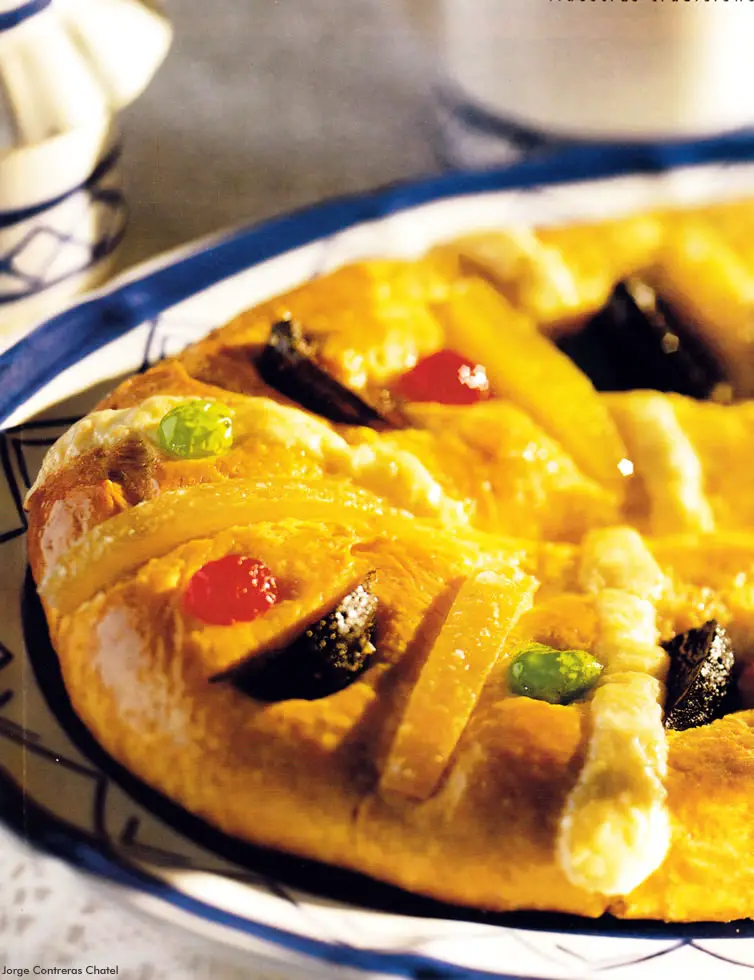
Rosca de Reyes
Each of these traditions, which in Mexico go hand in hand with our natural inclination for good food and the pleasure of sharing, has a religious origin: the birth of the baby God. the pilgrimage of the Kings of Orient carrying their gifts for the Holy Child, Virgin Mary’s forty days of purification, and Baby Jesus’ presentation at the temple, on the second day of February.
The Epiphany, or the Twelfth Night, is still celebrated throughout Mexico and ends with the feast of the rosca, which -according to tradition- is eaten dipped in hot chocolate.
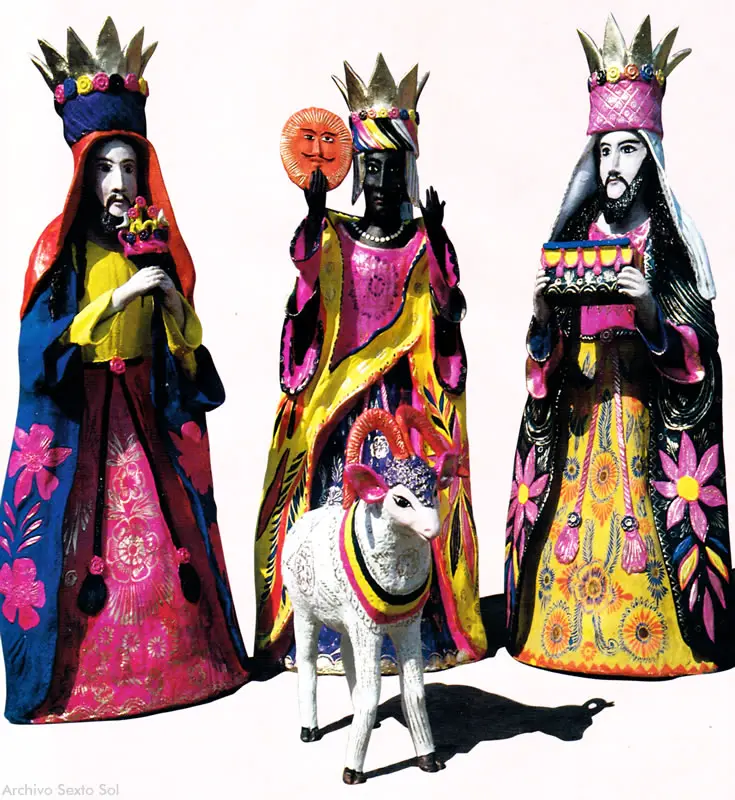
The Three Wise Men
At dawn, the Three Wise Men have already brought joy to the children who –also as part of a ritual- have left their shoes on the window sill, hoping to receive presents brought to them from far away lands. The shoe size supposedly also helps the Magi figure out, the age of the lucky children and which gifts will make them happy.
Gold, Incense and Myrrh & many other gifts
Santa Claus bringing presents to Mexican children is actually very recent and is not the one that prevails in rural areas, nor in all the social spheres within our cities. Santa Claus might pay a visit, but the Three Kings will never fail to appear at dawn on January 6th, to keep – following their legendary journey carrying gifts and guided by a shiny guiding star, all the way to Bethlehem to worship Baby Jesus – their appointment with all our children.

Roscas are sold in days prior to the Day of the Magi
In the preceding days, the kids have met Melchior, Caspar, and Balthasar, who, standing beside their animals made out of cardboard or walking through the streets of their neighborhood, listen to their requests.
A tradition that still remains and is worthy of admiration is the way in which Alameda Park, in the heart of Mexico City, fills up with booths where, one after another, trios of Kings have set up imaginative scenographies that seem very exotic for the City of Palaces.
Children have their photo snapped The Kings and entrust them their wishes. The Magi of the season sell an illusion of reality and a memoir printed among horses, elephants, and camels.
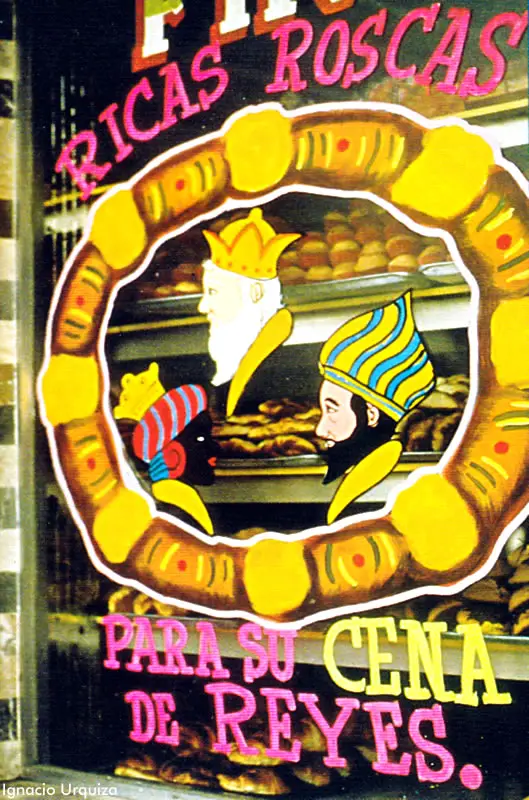
Tasty “Roscas” for your Three Wise Men Feast
The parade of the youngsters and the bright colors of the Magi, kings of dreams, live in the children’s imagination during the whole preceding week.
At the foot of the Christmas tree. or with no tree at all, Mexican families set up a Nativity scene where the manger, Virgin Mary, Joseph, the donkey and the ox, that according to the biblical tradition were there also, are never missing. There are those who build true hybrid landscapes, with figures of Arabic origin and little Mexican shepherds.
There are those which represent hell and a red devil; others with hills, rivers, and lakes full of fish, where ducks slide along the top of mirrors as if crystalline liquid. The Magi are an indispensable part of the Nativity scene, and more so after Christmas: the Three Wise Men get closer to Bethlehem with each passing day, guided by the light of the Eastern Star, for they must deliver incense, gold, and myrrh to the savior.
The Wise Men finally arrive
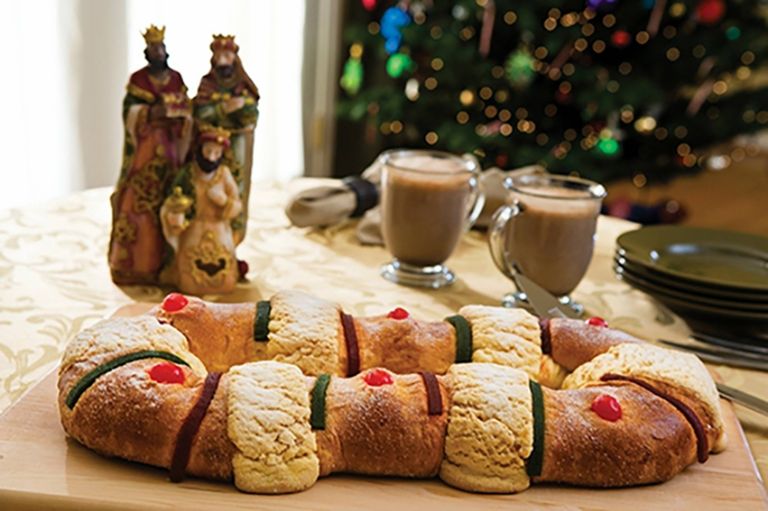
The Kings finally arrive on January 6th: when the children wake up, anxiously opening the gifts that commemorate Epiphany, and later that evening everyone gathers to share the rosca de reyes. It is then that the Infant Jesus’ future godfather is designated.
In olden times –according to Antonio Garcia Cubas in “El libro de mis recuerdos” (The Book of My Memoirs) – godparents were chosen in a raffle. The names of the guests invited to the gathering were written on little pieces of paper and put inside a hat; two papers were picked. with the names of the new couple of godparents.
From that day on, they were responsible for dressing and taking care of the Holy Child, and taking Him to church for his presentation and blessing on the day of Candlemas, the February 2nd. Ceremonies have changed, but the custom of dressing and presenting the Child in the temple still stands. It is a banquet around the crown of bread that still decides who will be the Holy Baby’s godparents.
The commemoration begins at the bakery, where roscas de Reyes of all sizes are showcased. Many days before most bakeries are working full-time to make these pastries with yeast, eggs, sugar, and lard, and decorated with glazed fruit (some innovate and add nuts and even filling to the recipe). The Kings’ Rosca is one of the many Mexican celebrations where sweets are in the starring role.

The ceremony of cutting the rosca appeals to everyone because each person feels the excitement of possibly being the one to bite that little white body hidden in the bread.
It is common to hear sighs of relief from those who have been lucky to get a clean slice, and to make fun of the one who shows the object of his or her future commitment between his or her teeth.
The rosca dolls were originally made of porcelain, and this special bread was made at home; the little doll, which had been put away wrapped in silk paper for a year, was placed in the dough before it was baked. Today, however, it is uncommon for the rosca to be baked at home, and the dolls used nowadays are worthy representatives of the polyester era. This is also a blessing for teeth…
This tradition is known to be very old. In France, the rosca that was served on the Night of the Kings had a lima bean hidden inside; whoever found it was the king of that night’s party and a crown was placed on his or her head.
The custom that came to Mexico from Spain -to be accepted with national tones- was added to the already established Catholic rite of dressing Baby Jesus and presenting him at the church, as Virgin Mary had done, after her quarantine following birth. She went to the temple to purify herself: white candles were lit for her and her Child. That is why the day is also called Candlemas, in allusion to the candles that are lit every February 2nd.
The Great Tamale Party
Tradition has it that the responsibility of the godparents elected on January 6th shall dress up the Holy Baby. In days preceding the event, it was quite common to read signs on houses that offer services in that specialty: We dress “Holy Infants”.
The Baby’s garment can be that of the Holy Child of Atocha, with a staff and seated on a little chair; the Child of the Doves, with a wide white gown and a dove in His hands; Saint Francis, with sandals and a brown habit, hugging a small animal; or the Child of the White Lilies, with a white tunic and a staff of white lilies in His hands.
After having presented the Child at church, accompanied by those who shared the rosca, it is time to celebrate the occasion with a tamale feast offered by the godparents.

The Three Wise Men are part of the nativity decoration too
It is difficult to find a more typical, diverse and entrenched dish in all Mexico than the tamale. Corn dough adorned with sauce and various fillings, either meat. vegetable or even fruits and nuts –according to regional traditions– is placed in the center of a corn husk or banana leaf and steam cooked. There are those who claim that the tamale is the Prehispanic people’s meal for the road, the national itacate or take-out meal.

The appeal of the rosca is not so much its taste –as it can be rather dry and must, therefore, be accompanied by hot chocolate, either Spanish style, very thick and sweet, or Mexican style, lighter and spicy-, but its presence in the warmth of the gathering that unites family and friends.
On January 7th the party is over, schools return to their schedules and all you can find in the trash cans are paper plates and small little dolls that surprised their discoverer.
The celebrations, which started on December 12th, when the Virgin of Guadalupe – the national patron saint- is honored, and continued with the nine classic posadas, Christmas Eve, Christmas Day, New Year’s Eve and New Year’s Day, come to a close with the sweet surprise of the Day of the Kings.
A rosca and a little doll, testimony to the entrenchment of Catholic rites promoted by the clergy during evangelization, seal a promise for a future gathering.
FAQ
- What is the safest part of Puerto Vallarta to stay in?
The Marina and the Romantic Zone are considered some of the safest areas to stay in Puerto Vallarta. Both areas are popular among tourists and offer a variety of accommodations, restaurants, and attractions. The Marina is known for its upscale atmosphere, luxury resorts, and high-end shops and restaurants. It has a very secure, controlled environment with 24/7 security personnel. The Romantic Zone offers a more authentic Mexican experience with cobblestone streets, colorful colonial buildings, and a vibrant mix of galleries, cafes, and bars. As a central tourist area, it also has a strong police presence and is considered very safe.
- Where do locals go in Puerto Vallarta?
Locals in Puerto Vallarta enjoy spending time at the city’s beautiful beaches, scenic parks, and lively local markets. Popular beach spots include Playa de Oro, Playa Las Animas, and Playa Camarones for their soft sand and calm waters. Many locals visit the Vallarta Botanical Gardens to enjoy the lush vegetation and hiking trails. They also frequent authentic local food venues like Birrieria las 3 Regiones taco stand, cafes like Cafecito Vallarta, and neighborhood bars like La Cerveceria Union. The downtown Lazaro Cardenas market is a favorite for produce, spices, crafts.
- Is Downtown Puerto Vallarta nice?
Yes, downtown Puerto Vallarta is an exceptionally nice and popular area, celebrated for its vibrant mix of historic Mexican charm and a lively beach town atmosphere. It features a picturesque historic center with cobblestone streets, colorful buildings, and the iconic Parish of Our Lady of Guadalupe church. The downtown seamlessly blends into the scenic Malecón, a beautiful oceanfront boardwalk lined with fascinating sculptures, shops, and restaurants, making it perfect for strolling and enjoying the stunning ocean views.
The area offers an excellent variety of dining, from upscale restaurants to authentic street food, along with fantastic shopping in boutiques and art galleries. Adjacent to the main center is the popular Zona Romántica (Romantic Zone), known for its trendy vibe and energetic nightlife. The entire downtown is considered safe and is very walkable, allowing visitors to easily explore its captivating blend of culture, cuisine, and coastal beauty on foot.
Tip: For an unforgettable experience, head down to the Malecón or any beachfront spot about 30 minutes before the scheduled sundown to watch the spectacular sunset over the bay.
- What is considered old town in Puerto Vallarta?
Old Town, also known as the Romantic Zone or Zona Romántica, is considered the historic heart of Puerto Vallarta. It is characterized by its picturesque cobblestone streets, classic whitewashed buildings, red-tiled roofs, and a lively mix of shops, galleries, restaurants and bars. Nestled between the Sierra Madre mountains and Banderas Bay, Old Town has a traditional Mexican village charm with its colonial architecture and slower pace compared to the rest of Puerto Vallarta. Its romantic ambience comes from the area’s natural beauty, outdoor cafes, and charming boutique hotels. Old Town offers visitors a taste of an authentic Mexican neighborhood.

Book tours & support us
- Best prices
- 100% Local Support
- 2 decades+ of experience in Puerto Vallarta

Puerto Vallarta news, tips & content
- New info every two weeks
- Free content, news, videos
- Unsubscribe at any time

Contact us via WhatsApp
- Talk with our reservations expert
- Real local and human support
- Book tours, hotels, transfers, and more.
Last updated on:
Share this article, choose your favorite option!