Mexico is a very fortunate in many respects, on this occasion we’ll mention its biodiversity, because it is one of the top 5 countries in the world when you take into account the number of species that it has. It is surprising to find out that in Mexico has between 10 and 15% of all described land species in the world and specifically in the case of reptiles, is the country with most known species.
Among these innumerable reptile representatives, Mexico has the honor of being visited by six of the few varieties of known sea turtles species.
These animals are rather solitary, rarely coexisting with other members of their same species and they spend most of their time at sea, almost 90% of their life, actually. Due to these habits, it’s been very difficult to study their life cycles and activities, and very little is known about them. Depending on the species, sea turtles can live up to 150 to 200 years. They can reach up to 22 mph while swimming in the sea.
Some of the lucky states that are visited by these prehistoric creatures are: Baja California, Campeche, Chiapas, Colima, Michoacan, Oaxaca, Sinaloa, Tamaulipas, Veracruz, Yucatan and Jalisco and Nayarit course. They also live in all oceans except the Arctic Ocean.
Some known species of sea turtle are:
- Common name (Scientific name: genus / species)
- Loggerhead turtle (Caretta caretta)
- Hawksbill turtle (Eretmochelys imbricata)
- Olive Ridley or Pacific Squamous (Lepidochelys olivacea)
- Flatback (Natator depressus)
- Leatherback turtle (Dermochelys coriacea)
- Squamous Atlantic or Tortuga Lora (Lepidochelys kempii)
- Atlantic Green Turtle (Chelonia mydas)
- Pacific Green Turtle or Prieta (Chelonia agassizi)
Sea turtles, like all reptiles, are unable to breathe under water, they have to surface to breathe and then they can stay underwater without breathing for long periods of time. They have evolved an anaerobic respiration system and if required, for example in times of danger, they can revert to anaerobic respiration that allows them to stay underwater for long periods of time. Once on the surface they can quickly fill their lungs with a single explosive exhalation and rapid inhalation.
As with most reptiles, they lay eggs, and these are not placed at sea, so sea turtles migrate to various parts of the world, where they come ashore to lay their eggs. It takes decades for a sea turtle to reach sexual maturity, after mating at sea females return to land to dig a nest for their eggs at night. There are different levels philopatry in species, in some of them, females return to the exact beach where they were born, which happens every two to four years in the period of maturity and they can create between one and eight nests per season.
It is during this unusual period in the life of the sea turtle, in which they lumber out of the sea, when we can enjoy and get up close to these peaceful reptiles and also take the opportunity to protect them from predators that often eat their eggs before the baby tortoises are born and return to the sea, among the most fearsome of predators are humans.
Due to depredation and other factors such as pollution, habitat change, accidental deaths in nets, among others, today all species of sea turtles are endangered.
Of the 6 species of sea turtles that come to Mexico, two of these species are endemic, the first can be found in the Gulf of Mexico which is known as Tortuga Lora (“Parrot turtle” in English known as Hawksbill turtle), and the second local turtle is the Pacific Green Turtle that nests in Michoacan.
The olive ridley turtle, for example, only nests on a few beaches in Mexico, there is another species called Kikilas that always nest in the north coast of Australia. Some even migrate thousands of miles to nest.
If you are someone who would enjoy helping to preserve these species, you can visit one of the many marine turtle camps in Puerto Vallarta, as it is the second most important beach where turtles come to nest or you can also visit any other marine turtle camp that exist in all the states that are visited by the turtles, these include managed programs for marine turtle conservation. In the end the most important part is to appreciate the opportunity and learn more about these creatures and that we give nature back a bit of all it gives us, helping to care and educate so more and more sea turtles can manage to survive and not become a memory of the Earth’s previous natural bounty.
FAQ
- What is the safest part of Puerto Vallarta to stay in?
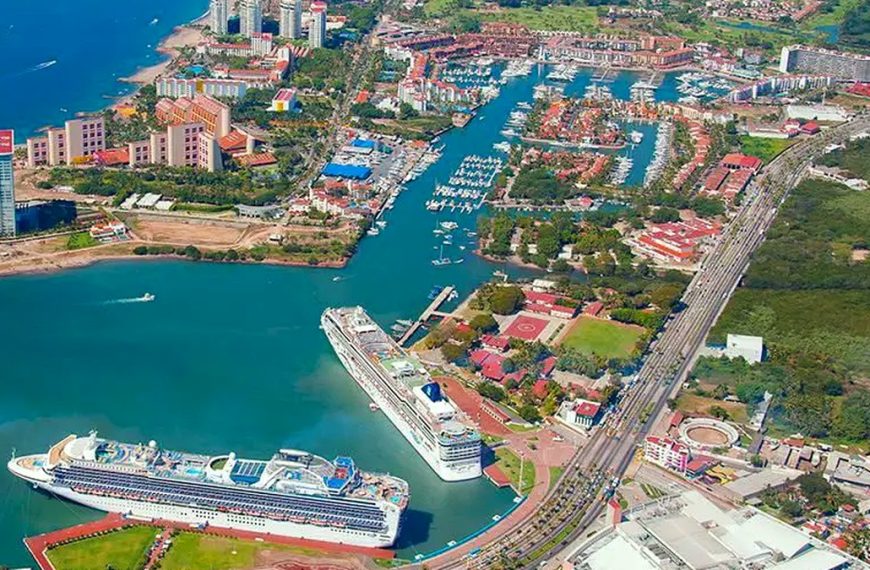
The Marina and the Romantic Zone are considered some of the safest areas to stay in Puerto Vallarta. Both areas are popular among tourists and offer a variety of accommodations, restaurants, and attractions. The Marina is known for its upscale atmosphere, luxury resorts, and high-end shops and restaurants. It has a very secure, controlled environment with 24/7 security personnel. The Romantic Zone offers a more authentic Mexican experience with cobblestone streets, colorful colonial buildings, and a vibrant mix of galleries, cafes, and bars. As a central tourist area, it also has a strong police presence and is considered very safe.
- Where do locals go in Puerto Vallarta?
Locals in Puerto Vallarta enjoy spending time at the city’s beautiful beaches, scenic parks, and lively local markets. Popular beach spots include Playa de Oro, Playa Las Animas, and Playa Camarones for their soft sand and calm waters. Many locals visit the Vallarta Botanical Gardens to enjoy the lush vegetation and hiking trails. They also frequent authentic local food venues like Birrieria las 3 Regiones taco stand, cafes like Cafecito Vallarta, and neighborhood bars like La Cerveceria Union. The downtown Lazaro Cardenas market is a favorite for produce, spices, crafts.
- Is Downtown Puerto Vallarta nice?
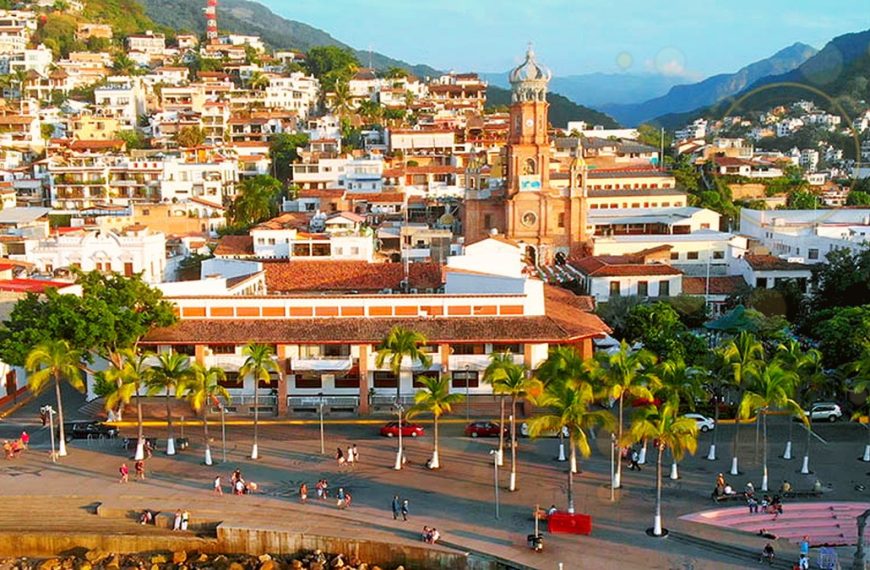
Yes, downtown Puerto Vallarta is an exceptionally nice and popular area, celebrated for its vibrant mix of historic Mexican charm and a lively beach town atmosphere. It features a picturesque historic center with cobblestone streets, colorful buildings, and the iconic Parish of Our Lady of Guadalupe church. The downtown seamlessly blends into the scenic Malecón, a beautiful oceanfront boardwalk lined with fascinating sculptures, shops, and restaurants, making it perfect for strolling and enjoying the stunning ocean views.
The area offers an excellent variety of dining, from upscale restaurants to authentic street food, along with fantastic shopping in boutiques and art galleries. Adjacent to the main center is the popular Zona Romántica (Romantic Zone), known for its trendy vibe and energetic nightlife. The entire downtown is considered safe and is very walkable, allowing visitors to easily explore its captivating blend of culture, cuisine, and coastal beauty on foot.
Tip: For an unforgettable experience, head down to the Malecón or any beachfront spot about 30 minutes before the scheduled sundown to watch the spectacular sunset over the bay.
- What is considered old town in Puerto Vallarta?
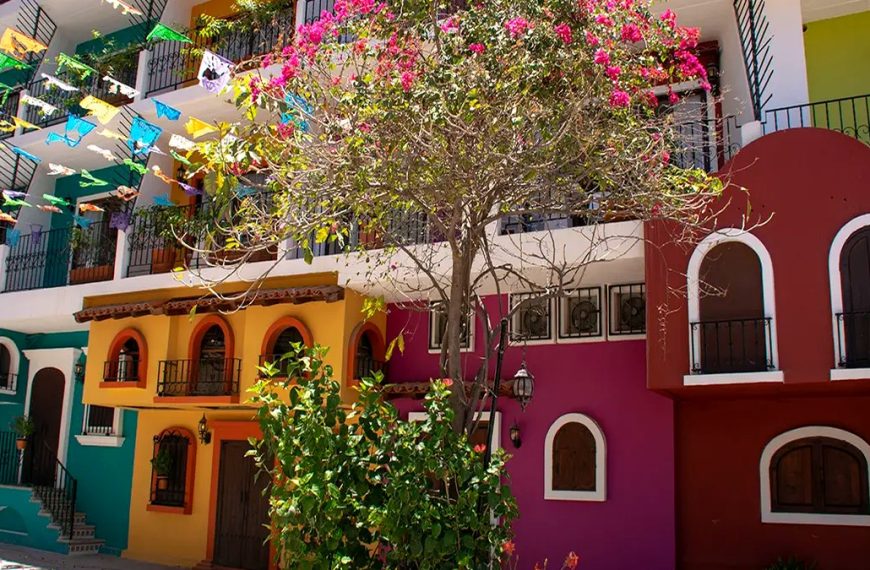
Old Town, also known as the Romantic Zone or Zona Romántica, is considered the historic heart of Puerto Vallarta. It is characterized by its picturesque cobblestone streets, classic whitewashed buildings, red-tiled roofs, and a lively mix of shops, galleries, restaurants and bars. Nestled between the Sierra Madre mountains and Banderas Bay, Old Town has a traditional Mexican village charm with its colonial architecture and slower pace compared to the rest of Puerto Vallarta. Its romantic ambience comes from the area’s natural beauty, outdoor cafes, and charming boutique hotels. Old Town offers visitors a taste of an authentic Mexican neighborhood.

Book tours & support us
- Best prices
- 100% Local Support
- 2 decades+ of experience in Puerto Vallarta

Puerto Vallarta news, tips & content
- New info every two weeks
- Free content, news, videos
- Unsubscribe at any time

Contact us via WhatsApp
- Talk with our reservations expert
- Real local and human support
- Book tours, hotels, transfers, and more.
Share this article, choose your favorite option!